
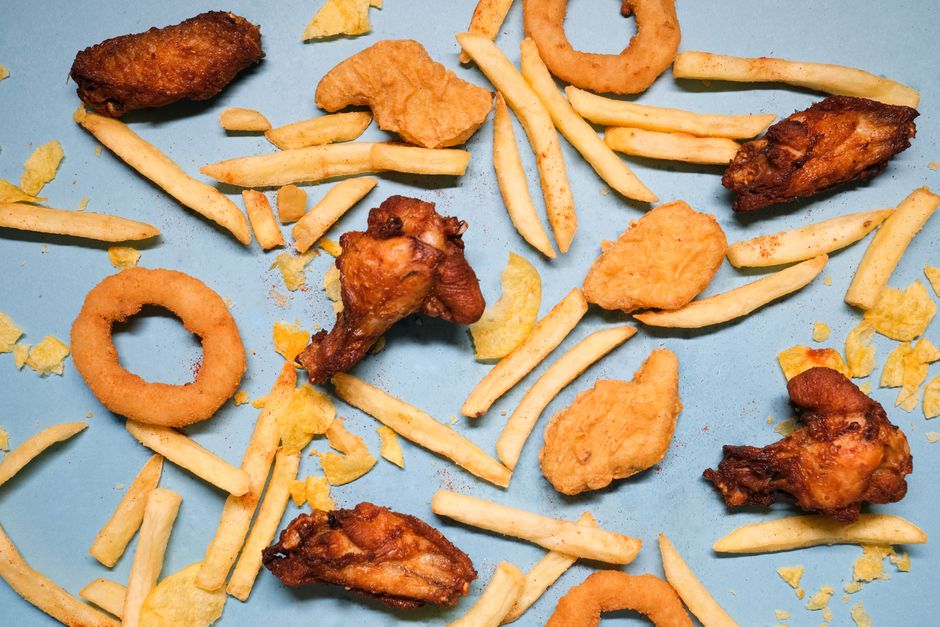
Fried food tastes good, but your body pays a price every time you eat it. The problem starts with what happens to the oil at high heat and what that does inside your body within minutes of eating.
What Actually Happens When You Eat Fried Food?
When food hits hot oil, a chemical reaction called oxidation begins. The oil breaks down and forms compounds your body does not recognize. Your immune system sees these as foreign invaders and launches an inflammatory response.
Research published in the American Journal of Clinical Nutrition found that eating fried food triggers a spike in inflammatory markers within hours. This is not a slow process. Your body reacts the same day.
The second problem is absorption. Fried food soaks up oil like a sponge. A single serving of fried chicken can contain 200 to 300 calories from oil alone. That is more than what is in the chicken itself. Your body stores that extra energy as fat almost immediately because the meal lacks fiber to slow digestion.
Your blood sugar also takes a hit. The high heat destroys some of the natural sugars and starches, but the coating — flour, breadcrumbs, batter — breaks down into glucose fast. Blood sugar spikes, insulin follows, and the cycle of cravings begins.
Why Is Fried Food Bad for Your Heart?
Fried food affects your cardiovascular system more directly than most people realize. The American Heart Association reports that people who eat fried food four or more times per week have a 37 percent higher risk of heart disease compared to those who eat it once a week or less.
This is not just about fat content. The type of fat matters more. When vegetable oils are heated past their smoke point — which happens in most deep fryers — they form trans fats. Even small amounts of trans fats raise bad cholesterol and lower good cholesterol. Unlike other fats, trans fats have no safe level of consumption according to the World Health Organization.
Fried food also damages the lining of your blood vessels. A study in the Journal of Nutrition showed that a single high-fat fried meal reduced the ability of arteries to expand and contract normally for up to four hours afterward. That is four hours where your heart works harder than it should.
| Frequency | Increased Heart Disease Risk |
|---|---|
| 1 time per week | 12% higher |
| 2-3 times per week | 24% higher |
| 4+ times per week | 37% higher |
These numbers come from a large-scale analysis published in the BMJ that tracked over 100,000 people for 25 years. The pattern held even after adjusting for weight, exercise, and smoking.
Does Fried Food Cause Weight Gain Differently Than Other Foods?
Yes, and the difference matters. Fried food does not just add calories — it changes how your body processes those calories. The high temperature alters the chemical structure of the oil, making it harder for your body to use it for energy.
Research from the National Institutes of Health found that people who ate fried food regularly had higher levels of advanced glycation end products, or AGEs. These compounds form when sugar reacts with fat or protein at high heat. AGEs damage cells and make it harder for your body to burn fat efficiently.
Fried food also bypasses your body’s natural fullness signals. A study in Obesity compared people who ate baked potatoes versus french fries made from the same potatoes. The french fry group ate 77 more calories on average and reported less fullness afterward. The frying process changes the starch structure so your body digests it faster, leaving you hungry sooner.
This creates a cycle. You eat fried food, you do not feel full, you eat more later, and your body stores more fat because the damaged oils resist breakdown. Over months and years, this pattern adds weight faster than eating the same calories from unprocessed food.





What Does Research on Fried Food and Cancer Risk Show?
This is where the evidence gets more complicated. The International Agency for Research on Cancer, part of the World Health Organization, classifies acrylamide as a probable human carcinogen. Acrylamide forms naturally when starchy foods like potatoes are fried at high temperatures.
French fries and potato chips contain some of the highest levels of acrylamide found in any food. Animal studies have shown that high doses of acrylamide cause cancer. Human studies are less clear. The problem is that people who eat a lot of fried food also tend to have other habits that increase cancer risk, making it hard to isolate the effect of acrylamide alone.
What researchers do agree on is that frying creates multiple compounds that damage DNA. Polycyclic aromatic hydrocarbons and heterocyclic amines also form when meat is fried at high heat. These compounds are known carcinogens in animal models. The National Cancer Institute advises limiting fried and well-done meat as a precaution.
The evidence is strong enough that public health agencies in Europe have set limits on acrylamide levels in commercial fried foods. The United States has not done this yet. The safest approach is to treat fried food as an occasional choice, not a daily habit.
What About Air Fryers — Are They Really Better?
Air fryers have become popular for a reason. They use a fraction of the oil that traditional deep frying requires. A typical air fryer recipe uses one to two tablespoons of oil instead of several cups. That alone cuts calories significantly.
Research from the Journal of Food Science found that air-fried french fries contained 70 to 80 percent less fat than deep-fried versions. Acrylamide levels were also 90 percent lower in some tests. The high-speed air circulation still creates a crispy exterior, but without the same chemical reactions that happen when food is submerged in hot oil.
However, air frying is not risk-free. The food still reaches high temperatures, and some acrylamide still forms. You also need to be careful about which oil you use. Avocado oil and coconut oil have higher smoke points and form fewer harmful compounds than vegetable oils when heated in an air fryer.
The bottom line is that air frying is a meaningful improvement, not a perfect solution. If you eat fried food regularly, switching to an air fryer reduces your exposure to harmful compounds by a large margin. The American Heart Association supports air frying as a healthier cooking method compared to deep frying.
Common Misconceptions About Fried Food
Many people believe that frying at home is healthier than restaurant frying. That is not always true. The oil matters more than the location. Restaurants often use partially hydrogenated oils that last longer in the fryer but contain more trans fats. Home cooks who reuse oil multiple times also increase the concentration of harmful compounds with each batch.
Another myth is that olive oil is safe for deep frying. Olive oil has a smoke point around 375 degrees Fahrenheit. Most deep fryers operate between 350 and 375 degrees. Pushing olive oil to its limit breaks down its healthy polyphenols and creates the same harmful compounds as other oils. Save olive oil for low-heat cooking and dressings.
Some people think that draining fried food on paper towels removes most of the oil. It removes surface oil only. The food itself has already absorbed the oil during cooking. A study in the Journal of Agricultural and Food Chemistry showed that paper towel blotting removes about 10 to 15 percent of total oil content. The rest stays inside the food.
Battered foods are not necessarily worse than breaded foods. It depends on the batter. Thin tempura batter absorbs less oil than thick beer batter or heavy breading. The thickness and density of the coating determine how much oil the food soaks up, not whether it is called batter or breading.
- Frying at home is not automatically healthier than restaurant frying
- Olive oil should not be used for deep frying
- Paper towels remove only a small amount of absorbed oil
- Thin batters absorb less oil than thick coatings
How to Reduce Harm When You Do Eat Fried Food
If you choose to eat fried food, you can make small changes that lower the damage. The oil type matters most. Oils high in monounsaturated fats like avocado oil and peanut oil hold up better at high heat. They produce fewer harmful compounds than polyunsaturated oils like soybean, corn, or sunflower oil.
Temperature control is another factor. Oil that is too hot burns the outside and leaves the inside raw. Oil that is too cool soaks into the food and makes it greasy. Keeping oil between 350 and 375 degrees Fahrenheit produces the best balance of cooking time and oil absorption.
Fresh oil is better than reused oil. Each time oil is heated, it breaks down further. The FDA recommends discarding oil after one or two uses for home frying. If the oil smokes, smells bad, or looks dark, it has already degraded and should not be used.
Pairing fried food with something acidic helps. Vinegar, lemon juice, or a side of pickles can blunt the blood sugar spike. Fiber from vegetables also slows digestion. A small salad before fries changes how your body handles the meal.
Frequently Asked Questions
Is it okay to eat fried food once a week?
Eating fried food once per week is linked to a modest increase in heart disease risk, but occasional consumption is unlikely to cause serious harm for most people.
Does fried food cause inflammation?
Yes, research shows that fried food triggers an inflammatory response in the body within hours due to oxidized oils and advanced glycation end products.
Are frozen french fries healthier than restaurant fries?
Not necessarily. Frozen fries are often pre-fried before freezing and can contain similar levels of fat and acrylamide once cooked at home.
Can you make fried food healthy with coconut oil?
Coconut oil has a high smoke point and produces fewer harmful compounds than vegetable oils, but it is still high in saturated fat and calories.
