
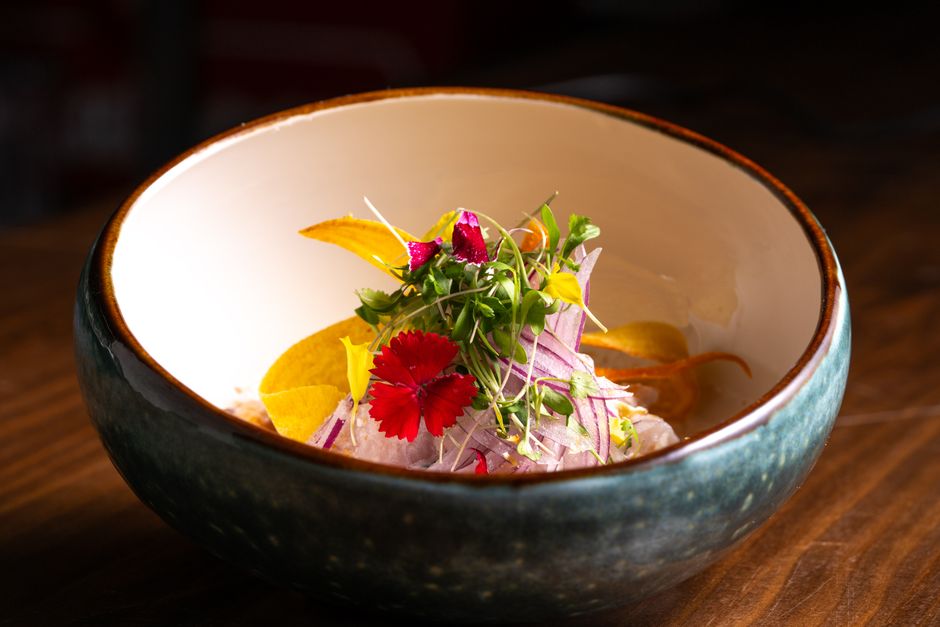
Ceviche is raw fish marinated in citrus juice. If the fish was contaminated or not handled properly, eating bad ceviche can cause food poisoning. Symptoms include nausea, vomiting, diarrhea, stomach cramps, and sometimes fever. In rare cases, a parasitic infection called anisakiasis can occur.
What Happens If You Eat Bad Ceviche?
Eating bad ceviche can make you sick within hours or days. The most common result is bacterial food poisoning. Bacteria like Vibrio, Salmonella, and Listeria can grow in raw fish that was not kept cold or was left out too long. These bacteria cause inflammation in the stomach and intestines. You may experience nausea, vomiting, watery diarrhea, and abdominal pain. Some people also get a fever or chills.
In less common cases, bad ceviche can contain parasites. The most well‑known is Anisakis, a roundworm found in raw or undercooked seafood. An Anisakis infection can cause severe stomach pain, nausea, and vomiting. The parasite may even burrow into the lining of the stomach or intestine, which requires medical treatment.
What Causes Ceviche to Go Bad?
Several factors can turn safe ceviche into a source of illness. The fish itself may already contain bacteria or parasites. Even fresh‑looking fish can carry pathogens. The citrus marinade does kill some germs, but it does not kill all of them. Bacteria like Vibrio can survive in acidic conditions for a while.
Temperature is another key factor. Raw fish must stay below 40°F (4°C) from the time it is caught until it is served. If ceviche sits out at room temperature for more than two hours, bacteria can multiply quickly. Cross‑contamination is also a risk. The same cutting board or knife used for other raw foods can transfer germs to the ceviche.
What Are the Symptoms of Food Poisoning from Bad Ceviche?
Symptoms depend on the type of contaminant. Bacterial infections often cause:
- Nausea and vomiting
- Watery or bloody diarrhea
- Stomach cramps
- Fever and chills
- Headache or body aches
Parasitic infections from Anisakis usually cause more specific symptoms. People often feel a sharp pain in the stomach area shortly after eating. Some describe a tingling sensation in the throat if the worm is still alive. Vomiting and nausea are common. In some cases, the parasite can cause an allergic reaction with hives or itching.





How Long Does It Take to Get Sick from Bad Ceviche?
The time between eating bad ceviche and getting sick varies. Bacterial infections typically show up within 6 to 24 hours. Vibrio infections can appear in as little as 4 hours. Salmonella may take 12 to 72 hours. Norovirus, another common cause, can start in 12 to 48 hours.
Parasitic infections from Anisakis often cause symptoms within a few hours after eating. The parasite can trigger immediate stomach pain because it tries to burrow into the stomach lining. Some people do not feel symptoms for a few days if the worm moves into the intestine.
What Should You Do If You Eat Bad Ceviche?
If you think you ate bad ceviche, the first step is to watch for symptoms. Most cases of food poisoning resolve on their own within 24 to 48 hours. The main treatment is rest and fluids. Drink water, clear broths, or oral rehydration solutions to replace lost fluids. Avoid dairy, caffeine, and alcohol until symptoms stop.
You should see a doctor if you have signs of dehydration, such as dry mouth, little or no urination, or dizziness when standing. Medical care is also needed if you have a fever above 101.5°F (38.6°C), bloody diarrhea, or severe pain that does not go away. For parasitic infections, a doctor can prescribe medication to kill the worm. In some cases, an endoscopy is needed to remove the parasite.
Who Is at Higher Risk for Severe Illness from Bad Ceviche?
Some groups are more likely to get seriously ill from bad ceviche. Pregnant women, older adults, and people with weakened immune systems are at higher risk. Children under five also have a harder time fighting foodborne infections.
For these groups, a bacterial infection can spread beyond the gut. Listeria, for example, can cause miscarriage or serious illness in newborns. Vibrio vulnificus can lead to a bloodstream infection in people with liver disease or weakened immunity. If you are in a high‑risk group, it is safest to avoid raw fish entirely.
How Can You Prevent Ceviche Food Poisoning?
Prevention starts with the fish. Buy only fresh, high‑quality fish from a trusted source. The fish should smell like the ocean, not fishy or sour. Keep it refrigerated at all times. Prepare ceviche on a clean surface with separate utensils to avoid cross‑contamination.
The citrus marinade must be acidic enough to kill some bacteria. Use fresh lime or lemon juice and let the fish sit for at least 15 to 30 minutes. But remember: acid does not kill all pathogens. Parasite larvae can survive in citrus for a while. Freezing the fish beforehand kills parasites. The FDA recommends freezing raw fish intended for raw consumption at -4°F (-20°C) for at least 7 days, or at -31°F (-35°C) for 15 hours.
Eat ceviche immediately after preparation. Do not let it sit at room temperature. If you have leftovers, refrigerate them quickly and eat within one day. Discard any ceviche that has been left out for more than two hours.
Frequently Asked Questions
Can you get parasites from eating bad ceviche?
Yes, raw fish in ceviche can contain parasites like Anisakis. Freezing the fish before preparation kills these parasites.
How quickly do ceviche food poisoning symptoms appear?
Bacterial symptoms usually appear within 6 to 24 hours. Parasitic symptoms can start within a few hours.
Is ceviche safe to eat during pregnancy?
Pregnant women are at higher risk from bacteria and parasites in raw fish. Most health authorities advise avoiding raw seafood during pregnancy.
What is the best treatment for ceviche food poisoning?
Rest and fluids are the main treatment for most cases. If symptoms are severe or you are in a high‑risk group, see a doctor.
