
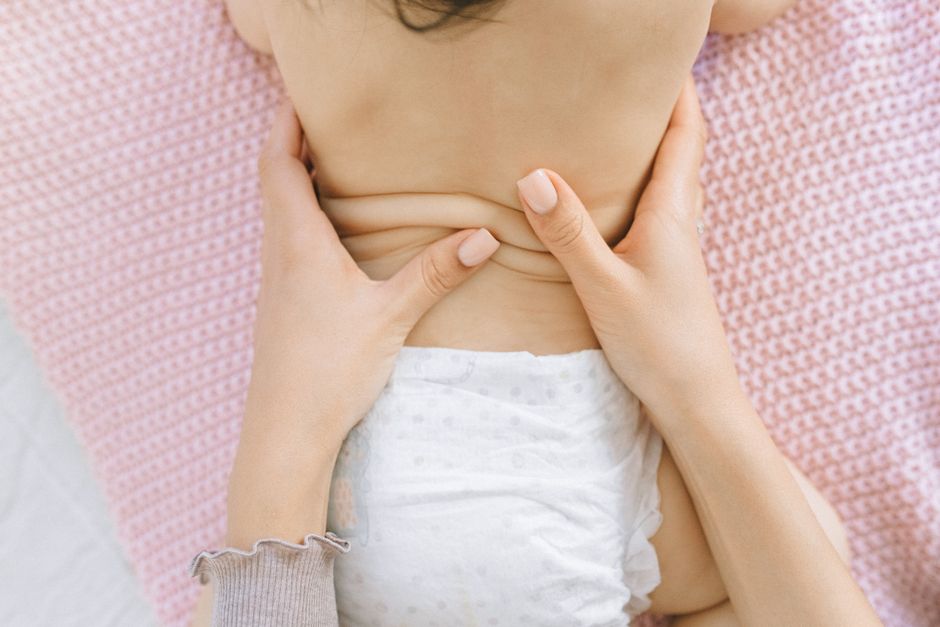
Your newborn gets hiccups so often because their diaphragm is still learning to work. The diaphragm is the dome-shaped muscle below the lungs that controls breathing. In infants, this muscle is easily irritated by small things like a full stomach, a burst of excitement, or a sudden change in temperature. When the diaphragm spasms, the vocal cords snap shut, which creates the familiar “hic” sound. It looks uncomfortable, but for most babies, hiccups are completely harmless and often pass on their own within a few minutes.
Why Does Your Infant Get The Hiccups So Much?
Infants spend a lot of time feeding, and that is the main trigger. When a baby drinks milk, the stomach expands quickly. This stretched stomach pushes up against the diaphragm. The pressure irritates the muscle, causing it to spasm. Because babies feed every two to three hours, they have many chances for hiccups to start.
Another reason is that a baby’s nervous system is immature. The nerve that controls the diaphragm is still developing. It can send mixed signals that cause the muscle to twitch. This is not a sign of a problem. It is a normal part of growth. Most babies outgrow frequent hiccups by the time they are a few months old.
Hiccups also happen in the womb. Many pregnant women feel rhythmic tapping movements that are actually fetal hiccups. This shows that the reflex is present long before birth. It is one of the earliest breathing movements a baby practices.
Are Infant Hiccups Ever Dangerous?
No. Hiccups are not dangerous for infants. They do not cause pain, breathing problems, or harm to the stomach or throat. A baby can hiccup for a few minutes or up to half an hour without any risk. The baby may seem annoyed, but they are not in distress.
You only need to call a doctor if hiccups are paired with other symptoms. These include spitting up large amounts of milk, arching the back during feeds, or coughing. Those signs could point to acid reflux, which is a different condition. Reflux is common in babies, but it is not the same as simple hiccups. If your baby is gaining weight well and seems happy between hiccup episodes, there is no reason for concern.
Hiccups that last longer than 48 hours are rare in infants. If that ever happens, a pediatrician should evaluate the baby. But this is not something most parents will ever see.
What Actually Causes the Hiccups?
The hiccup reflex has three parts. First, the diaphragm contracts suddenly. Second, the vocal cords close quickly. Third, the closure creates the sound. This whole sequence is a reflex, meaning it happens without conscious control.
In infants, common triggers include:
- Feeding too fast and swallowing air
- A full stomach pressing on the diaphragm
- A sudden drop in stomach temperature from cold milk
- Excitement or a strong emotional response
- A brief change in room temperature
None of these triggers are harmful. They are just normal events in a baby’s day. Swallowing air is the most common one. When a baby latches poorly or drinks rapidly, they take in air along with milk. That air expands the stomach and sets off the hiccup reflex.
Some parents worry that hiccups mean the baby is hungry or needs to burp. Hiccups can happen before a feed, during a feed, or after a feed. They are not a reliable hunger cue. If your baby is hiccupping, wait a moment. They often stop on their own without any intervention.




Should You Try to Stop Infant Hiccups?
You do not need to stop hiccups. They resolve on their own. But if your baby seems bothered, you can try a few gentle methods. Burping the baby mid-feed can release trapped air. Pausing the feed for a minute lets the stomach settle. Holding the baby upright for a short time after feeding can also help.
What should you avoid? Do not startle the baby. Do not pull their tongue. Do not press on their eyeballs. Do not use home remedies like sugar water or gripe water without asking a pediatrician. These old tricks are not supported by evidence and some can be unsafe for young infants.
There is no medication for infant hiccups. No clinical guidelines recommend any drug for this condition. That is because hiccups are not a disease. They are a normal reflex that stops by itself.
Can Feeding Changes Reduce Hiccups?
Some feeding adjustments may reduce how often hiccups happen. If you bottle-feed, check the nipple flow. A nipple that delivers milk too fast can cause the baby to gulp air. If you breastfeed, check the latch. A deep latch reduces air swallowing.
Feeding the baby in a more upright position may also help. Gravity keeps the stomach contents lower, which puts less pressure on the diaphragm. Pacing the feed with breaks every few minutes gives the stomach time to handle the milk.
These changes do not eliminate hiccups entirely. They only reduce the triggers. Even with perfect feeding technique, some babies still hiccup often. That is normal. The reflex is simply more active in some infants than others.
When Do Infant Hiccups Stop?
Most babies stop having frequent hiccups by three to four months of age. This matches the timeline for nervous system maturation. As the nerve pathways mature, the diaphragm responds less to minor irritation.
Some babies continue to hiccup beyond this age. That is also normal. Older infants and toddlers get hiccups too, just less often. The frequency drops as the child grows and the stomach gets bigger relative to the diaphragm.
There is no need to track how many times your baby hiccups. The number is not a health indicator. A baby who hiccups ten times a day is not healthier or sicker than one who hiccups twice a week. Both are within the normal range.
What If Hiccups Happen During Sleep?
Hiccups during sleep are common and harmless. They do not wake most babies. The reflex can happen during any sleep stage. It does not affect breathing or oxygen levels. You do not need to wake the baby to stop the hiccups.
Some parents worry that hiccups during sleep are a sign of reflux. In most cases, they are not. Reflux hiccups are usually accompanied by spitting up, coughing, or fussiness after feeds. If your baby sleeps peacefully and only hiccups occasionally, there is no reason to intervene.
Are Hiccups Linked to Acid Reflux?
Frequent hiccups can be a sign of gastroesophageal reflux, but most hiccupping babies do not have reflux. Reflux happens when stomach contents flow back into the esophagus. This can irritate the diaphragm and trigger hiccups. But reflux also causes other symptoms. These include frequent spit-up, irritability during or after feeds, and poor weight gain.
If your baby has hiccups along with these other signs, talk to a pediatrician. The doctor can assess whether reflux is present. Do not assume hiccups alone mean reflux. The evidence does not support that conclusion. Simple hiccups without other symptoms are just hiccups.
Frequently Asked Questions
Can I give my baby water to stop hiccups?
No. Water is not recommended for infants under six months. It does not stop hiccups and can interfere with feeding.
Do hiccups hurt my baby?
No. Hiccups are not painful. They are a normal muscle reflex that feels like a small twitch.
Should I burp my baby during hiccups?
You can try. Burping releases trapped air that may be pressing on the diaphragm. If it does not help, wait for the hiccups to stop on their own.
Are hiccups a sign of a breathing problem?
No. Hiccups do not affect breathing. A baby who is hiccupping is breathing normally between each spasm.
