
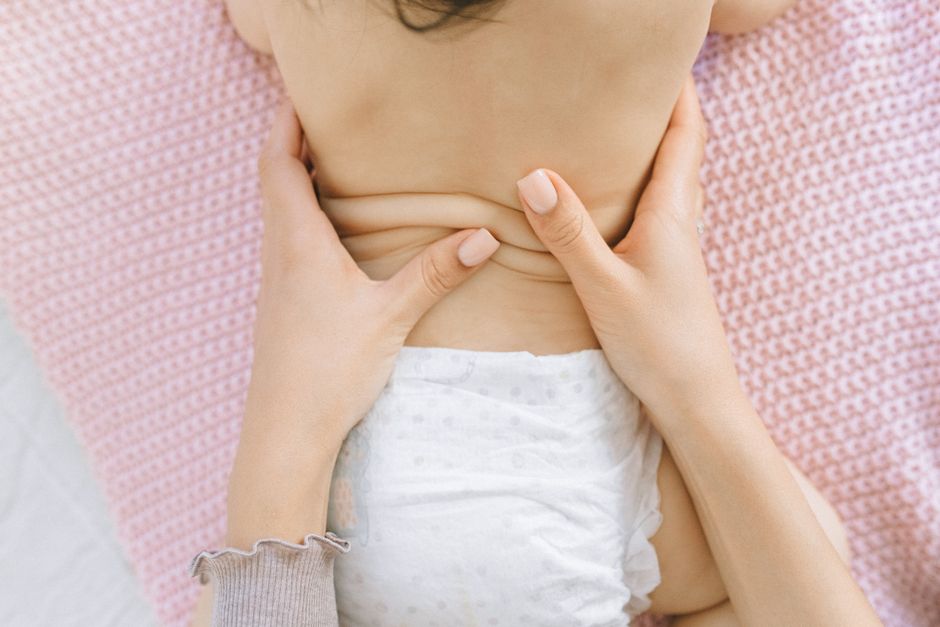
Newborn hiccups look alarming but are almost always harmless. They are a normal reflex that most babies experience daily. The best way to get rid of a newborn’s hiccups is to pause feeding, burp the baby, and offer a pacifier or a few sips of milk to reset the diaphragm. You do not need to treat most hiccups at all; they usually stop on their own within 5 to 10 minutes.
Why Do Newborns Get Hiccups So Often?
Hiccups happen when the diaphragm — the muscle below the lungs — spasms. In newborns, that muscle is still developing. It is easily triggered by a full stomach, a sudden temperature change, or excitement.
Babies also spend a lot of time on their backs. That position puts gentle pressure on the belly, which can push on the diaphragm and set off those spasms. This is why hiccups are so common in the first few months of life.
Some research suggests hiccups may even help babies regulate their breathing. A study published in Clinical Neurophysiology found that hiccups trigger a wave of brain signals that may help newborns learn to control their diaphragm. So while they look uncomfortable, they might serve a real purpose.
How To Get Rid Of A Newborn’S Hiccups: What Actually Works
If your baby is comfortable, you can simply wait. Most hiccup episodes resolve on their own without any intervention. If the hiccups are bothering your baby, or you want to try to shorten them, these methods are the most commonly recommended by pediatricians.
- Burp mid-feed. Stop feeding and hold your baby upright against your chest. Gently pat their back for a minute or two. This releases trapped air that may be pushing on the diaphragm.
- Offer a pacifier. Sucking can help relax the diaphragm and interrupt the spasm cycle.
- Give a small feeding. A few sips of breast milk or formula can sometimes reset the breathing rhythm. Do not do this if your baby is full.
- Hold your baby upright. Sitting your baby up for 10 to 15 minutes after a feed can reduce pressure on the diaphragm.
These methods work by addressing the most common trigger — a full stomach pushing on the diaphragm. They do not work instantly for every baby, but they are safe and worth trying.
What Does Not Work And What To Avoid
Some traditional remedies are not safe for newborns. Never try to startle your baby to stop hiccups. A sudden scare can cause more distress and does not reliably stop the spasm.
Do not pull on your baby’s tongue or press on their eyeballs. These old folk methods are dangerous and have no place in newborn care. They can cause injury.
Gripe water is sometimes marketed for hiccups and colic. The evidence for its effectiveness is mixed, and some versions contain herbs or sugars that may not be appropriate for a very young infant. Talk to your pediatrician before using any over-the-counter remedy.
Avoid overfeeding. Giving extra milk to stop hiccups can make the problem worse by further stretching the stomach. If your baby has just eaten, burping is a better first step than offering more food.





Are Hiccups Ever A Sign Of Something Serious?
Hiccups alone are rarely a cause for concern. They are a normal reflex in healthy newborns. But in rare cases, frequent or persistent hiccups can be linked to an underlying condition.
If your baby has hiccups that last longer than an hour, or if they seem to have hiccups during or after every single feed, mention it to your pediatrician. Persistent hiccups can occasionally be associated with gastroesophageal reflux disease (GERD) or, in very rare cases, neurological issues.
Watch for other warning signs. If hiccups are accompanied by poor feeding, weight loss, vomiting, or signs of breathing difficulty, seek medical advice promptly. These symptoms point to something other than normal newborn hiccups.
How To Prevent Hiccups During Feeding
You cannot always prevent hiccups, but feeding habits can reduce how often they happen. The goal is to minimize air swallowing and avoid overfilling the stomach.
- Feed before your baby is frantic. A crying baby gulps air along with milk. Start feeding at the first hunger cues.
- Keep the bottle angled. If you bottle-feed, tilt the bottle so the nipple is full of milk, not air.
- Check the nipple flow. A nipple that flows too fast can make your baby gulp. A flow that is too slow can frustrate them and cause air swallowing.
- Burp between breasts. If breastfeeding, burp your baby when you switch sides.
- Pause for natural breaks. Babies often pause on their own during a feed. Use those pauses to burp them gently.
These strategies do not eliminate hiccups entirely. They simply reduce the most common trigger: a stomach distended with milk and air.
When Do Newborn Hiccups Stop?
Most babies outgrow frequent hiccups by the time they are 3 to 4 months old. As the nervous system matures and the diaphragm strengthens, the spasms become less frequent.
Some babies continue to get hiccups occasionally throughout their first year. That is normal too. Hiccups are not a sign of a problem in an otherwise healthy, thriving baby.
There is no evidence that hiccups cause pain. Babies often fall asleep during a hiccup episode, which suggests they are not distressed by it. If your baby is sleeping peacefully with hiccups, leave them alone. Waking them to treat the hiccups does more harm than good.
What Pediatricians Want You To Know
Pediatricians see hiccups as a normal part of newborn development. They rarely recommend any treatment beyond patience and basic comfort measures.
The most important thing is to trust your instincts. If the hiccups do not bother your baby, they do not need treatment. If they do bother your baby, try burping and a pacifier. If those do not work, wait. The episode will end on its own.
No evidence supports the idea that hiccups harm a newborn’s growth or development. They are a reflex, not an illness. Your main job is to keep your baby comfortable and fed, not to stop every hiccup as soon as it starts.
Frequently Asked Questions
Can I lay my baby down with hiccups?
Yes, it is safe to lay your baby down with hiccups. If your baby is calm and sleeping, leave them alone — hiccups do not interfere with breathing or sleep.
Does gripe water stop newborn hiccups?
Some parents report that gripe water helps, but clinical evidence for its effectiveness is limited. Check with your pediatrician before giving any herbal remedy to a newborn.
How long do newborn hiccups usually last?
Most episodes last between 5 and 10 minutes. If hiccups persist for over an hour or happen constantly, mention it to your pediatrician.
Can a pacifier stop hiccups in a newborn?
Yes, sucking on a pacifier can relax the diaphragm and often stops hiccups. It is a safe, simple first-line remedy to try.
