
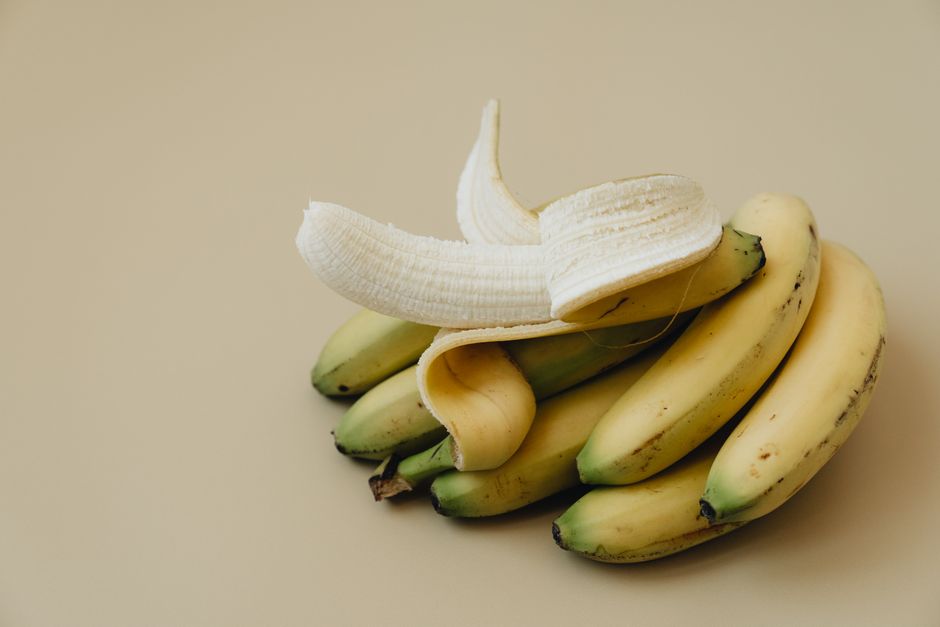
A medium banana contains about 14 grams of sugar. That is the number most often cited for a banana about 7 to 8 inches long. The sugar in a banana is naturally occurring, not added sugar, which changes how your body processes it. Bananas also deliver fiber, potassium, and vitamin B6 alongside that sugar, making them a very different food from a candy bar with a similar sugar count.
How Much Sugar Does A Banana Contain by Size?
The sugar content changes as the banana grows. A small banana, which is under 6 inches long, contains about 9 to 10 grams of sugar. A medium banana, between 7 and 8 inches, contains about 14 grams. A large banana, over 9 inches, contains about 18 grams.
These numbers come from standard USDA nutritional data. The exact amount varies slightly from fruit to fruit, but the range is reliable. If you are tracking sugar intake for diabetes or another health condition, size matters more than you might think. Choosing a small banana instead of a large one cuts the sugar nearly in half.
Is the Sugar in a Banana the Same as Added Sugar?
No. The sugar in a banana is intrinsic sugar, meaning it is built into the food’s cellular structure. Added sugar is what goes into sodas, pastries, and sweetened yogurt during processing. The body digests these two types of sugar differently.
Intrinsic sugar comes packaged with fiber. A medium banana has about 3 grams of fiber. Fiber slows digestion, which means the sugar enters your bloodstream more gradually. This produces a smaller and slower rise in blood glucose compared to drinking a soda with the same amount of sugar.
This distinction matters for dietary guidelines. The American Heart Association recommends limiting added sugar to about 25 to 36 grams per day for most adults. That recommendation does not apply to whole fruit. You do not need to count the sugar in a banana against your added sugar budget.
How Does Ripeness Change the Sugar Content?
Ripeness changes the type of sugar, not the total amount. A green banana and a fully ripe banana have roughly the same total carbohydrate and sugar content. What changes is the form of that sugar.
Green bananas contain mostly starch, some of which is resistant starch. Resistant starch behaves like fiber in the body. It is not fully digested in the small intestine, so it does not raise blood sugar as quickly. As the banana ripens, enzymes convert that starch into simple sugars like glucose, fructose, and sucrose.
A very ripe banana with brown spots will raise blood sugar faster than a green one. The total sugar measured in a lab is similar, but the glycemic response differs. If you are managing blood sugar, a less ripe banana is the better choice. If you are an athlete looking for quick energy before a workout, a riper banana may be preferable.





What Is the Glycemic Index of a Banana?
The glycemic index (GI) measures how quickly a food raises blood sugar compared to pure glucose. Bananas score in the low to moderate range, typically between 48 and 55 depending on ripeness. Foods under 55 are considered low GI.
This places bananas in a similar range to whole wheat bread or oatmeal. They are not a high-glycemic food. The fiber content and the presence of pectin, a type of soluble fiber, both contribute to this moderate score.
Portion size still matters. The glycemic index measures a fixed amount of carbohydrate, usually 50 grams. Eating two large bananas at once will raise blood sugar more than eating one. The glycemic load, which accounts for both the GI and the portion size, is a more practical measure for real eating.
How Does a Banana Compare to Other Fruits?
Bananas are higher in sugar than many other fruits, but the difference is smaller than people often assume. A medium apple contains about 19 grams of sugar. A cup of grapes contains about 23 grams. A medium orange contains about 12 grams. A cup of strawberries contains about 7 grams.
What sets bananas apart is their calorie density. A medium banana has about 105 calories. The same weight of strawberries has far fewer calories and less sugar. This makes bananas a more energy-dense fruit, which is useful for athletes but worth noting if you are watching total calorie intake.
Bananas also contain more potassium than most fruits. A medium banana provides about 422 milligrams of potassium, which is roughly 9 percent of the daily recommended intake for adults. This mineral supports blood pressure regulation and muscle function.
Should People with Diabetes Avoid Bananas?
No, most people with diabetes can eat bananas in moderation. The American Diabetes Association includes fruit, including bananas, as part of a healthy eating pattern for people with diabetes. The key is portion control and pairing.
A small banana has about 23 grams of total carbohydrate. That fits into most meal plans, which typically allow 45 to 60 grams of carbohydrate per meal. Pairing a banana with a protein or fat source, such as peanut butter or Greek yogurt, can further slow the rise in blood sugar.
Individual responses vary. Some people with diabetes see a significant blood sugar spike after eating a banana, while others do not. Testing your blood sugar two hours after eating is the only way to know your personal response. If you have diabetes, talk to your healthcare provider about how fruit fits into your specific meal plan.
What Are the Health Benefits of the Sugar in Bananas?
The sugar in bananas comes with nutrients that processed sweets do not provide. Bananas are one of the best food sources of potassium. They also contain vitamin B6, vitamin C, magnesium, and manganese.
Vitamin B6 is particularly notable. A medium banana provides about 0.4 milligrams, which is roughly 25 percent of the daily recommended intake. Vitamin B6 supports brain development, immune function, and the production of neurotransmitters like serotonin and dopamine.
The combination of sugar and potassium makes bananas a practical choice for exercise. Research has examined bananas as a sports food, and some studies suggest they can support endurance performance similarly to commercial sports drinks. The banana provides carbohydrates for fuel plus potassium, which is lost through sweat.
Bananas also contain antioxidants like dopamine and catechins, though the amounts are modest. These compounds may help reduce oxidative stress, but they are not a reason to eat excessive amounts of bananas. A balanced diet with a variety of fruits provides a broader range of antioxidants.
Can You Eat Too Many Bananas?
Yes, but the threshold is high. Eating multiple bananas daily is generally safe for healthy adults. The main concern is calorie and carbohydrate accumulation, not toxicity.
Potassium toxicity from food alone is extremely rare. Healthy kidneys filter excess potassium from the blood. To reach dangerous potassium levels from bananas alone, you would need to eat dozens in a short period, which is not realistic. People with chronic kidney disease, however, may need to limit potassium intake and should follow their doctor’s advice about bananas.
A more practical concern is that bananas are relatively high in calories for a fruit. If you are eating bananas in addition to an already adequate diet, the extra calories can lead to weight gain over time. For most people, one to two bananas per day is a reasonable amount within a balanced diet.
Frequently Asked Questions
How much sugar is in a medium banana?
A medium banana, about 7 to 8 inches long, contains about 14 grams of sugar. This is naturally occurring sugar, not added sugar.
Are bananas high in sugar compared to other fruits?
Bananas are moderately high in sugar compared to some fruits like berries, but lower than grapes and similar to apples. The fiber in bananas helps slow sugar absorption.
Can diabetics eat bananas?
Most people with diabetes can eat bananas in moderation as part of a balanced meal plan. Portion control and pairing with protein or fat can help manage blood sugar response.
Does a ripe banana have more sugar than a green banana?
Total sugar content is similar, but riper bananas contain more simple sugars and less starch. This means ripe bananas raise blood sugar faster than green ones.
