
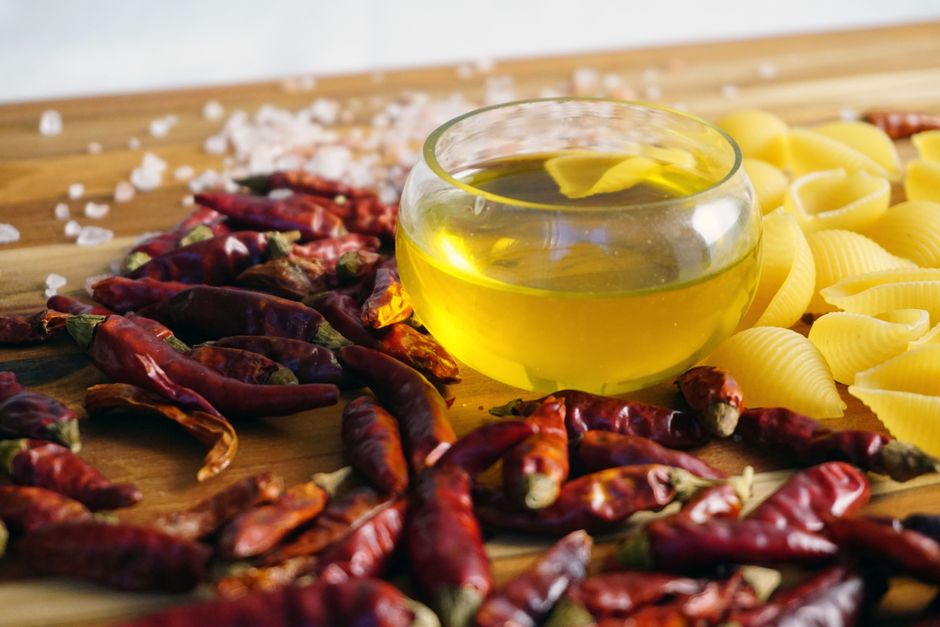
You eat a spicy meal and within hours your stomach is in knots and you are running to the bathroom. This is not in your head. It is a real physical reaction your body has to certain compounds in spicy foods. The main culprit is capsaicin — the chemical that makes chili peppers hot. Capsaicin irritates the lining of your digestive tract and tricks your gut into speeding everything through. The result is loose stools and urgency. The good news is you do not have to give up spicy food forever. There are practical ways to calm the reaction and prevent it from happening.
What Exactly Happens in Your Gut When You Eat Spicy Food?
Capsaicin binds to a receptor in your mouth and gut called TRPV1. This receptor normally detects heat and physical damage. When capsaicin touches it your brain thinks you are being burned even though no real damage is happening. Your gut responds the same way it would to a toxin — it tries to get rid of it fast.
The small intestine speeds up its contractions. This is called accelerated gastric emptying and intestinal transit time. Food moves through you quicker than normal. Your colon does not have enough time to absorb water back into your body. That extra water ends up in your stool making it loose or watery.
Your gut also produces more mucus in response to the irritation. This is your body trying to coat and protect the lining. But extra mucus mixed with fast-moving contents creates exactly the kind of stool that comes out urgently.
Some people also have a sensitivity to other compounds in spicy foods. Garlic onions and certain spices can trigger gas and bloating on their own. When combined with capsaicin the effect is stronger.
Who Gets Spicy Food Diarrhea and Why Does It Hit Some People Harder?
Not everyone reacts the same way to spicy food. If you eat spicy meals regularly your gut builds some tolerance. People who rarely eat spicy food are more likely to have a strong reaction.
Certain health conditions make the reaction worse. People with irritable bowel syndrome (IBS) have a more sensitive gut lining. Their TRPV1 receptors are already more active. Capsaicin pushes them over the edge quickly. Research shows people with IBS often report more pain and urgency after spicy meals compared to people without IBS.
Inflammatory bowel disease (IBD) like Crohn’s or ulcerative colitis also increases sensitivity. The gut lining is already inflamed. Capsaicin adds more irritation on top of that.
Genetics play a role too. Some people naturally have more TRPV1 receptors or more sensitive ones. This is not something you can change but knowing it is genetic can help you stop blaming yourself.
Stress also matters. Your brain and gut are connected through the vagus nerve. If you are already stressed your gut is more reactive. Eating spicy food on a stressed gut is like adding fuel to a fire.
Can You Build Tolerance to Spicy Food Diarrhea?
Yes you can build tolerance but it works differently than you might think. Your gut can adapt to capsaicin over time. This is not about your taste buds changing. It is about your intestinal cells becoming less sensitive to the irritation.
People who eat spicy food regularly show less gut inflammation and slower transit times after a spicy meal compared to people who never eat it. This is a real physiological adaptation. Your body learns that capsaicin is not actually a threat and it stops overreacting.
The key is gradual exposure. Start with small amounts of mild spice and increase slowly over weeks. Do not jump from zero to ghost peppers. Your gut needs time to adjust just like muscles need time to adapt to exercise.
One study on rats found that repeated exposure to capsaicin reduced the number of active TRPV1 receptors in the gut lining. Human research is less direct but current evidence suggests the same process happens in people. As of 2026 researchers are still studying exactly how long this adaptation takes and whether it lasts if you stop eating spicy food.
Tolerance is real but it is not unlimited. Even seasoned spicy food eaters can get diarrhea if they eat something extremely hot or eat spicy food on an empty stomach.


What Actually Works to Stop Spicy Food Diarrhea?
Several strategies have evidence behind them. None are perfect but most help reduce the reaction.
| Strategy | How It Helps | Evidence Level |
|---|---|---|
| Eating dairy with spicy food | Casein protein binds to capsaicin and washes it away | Strong |
| Eating a meal first before spicy food | Food buffers the gut lining and slows absorption | Moderate |
| Taking bismuth subsalicylate (Pepto-Bismol) | Coats the gut and reduces irritation | Moderate |
| Eating soluble fiber before the meal | Slows gut transit and absorbs excess water | Moderate |
| Avoiding other gut irritants at the same meal | Reduces total irritation load on the gut | Weak but logical |
Dairy is the most well-supported option. Whole milk yogurt or full-fat cheese work best because the fat helps too. Skim milk has less casein so it is less effective.
Eating a base meal first is simple and practical. Have some rice bread or oatmeal before you eat the spicy dish. This gives your stomach something to work on besides pure capsaicin.
Bismuth subsalicylate is available over the counter. It coats the lining of your gut and has mild anti-inflammatory effects. It does not stop the reaction completely but it can reduce urgency and stool looseness.
Soluble fiber from oats bananas or psyllium husk absorbs water in the gut and slows things down. Take it about 30 minutes before eating. Do not use insoluble fiber like wheat bran — that can make diarrhea worse.
What Should You Avoid When Trying to Prevent Spicy Food Diarrhea?
Avoid eating spicy food on an empty stomach. This is the single biggest trigger. Without food to buffer it capsaicin hits your gut lining directly and the reaction is stronger.
Do not drink alcohol with spicy food if you are prone to diarrhea. Alcohol irritates the gut lining on its own. Combined with capsaicin the effect is additive. You are much more likely to end up with loose stools.
Avoid carbonated drinks during the meal. The gas can distend your stomach and make cramping worse. This does not cause diarrhea directly but it increases discomfort and urgency.
Do not take antacids before eating spicy food. Antacids reduce stomach acid which can actually make capsaicin more irritating. Stomach acid helps break down food and may partially neutralize some of the capsaicin before it reaches the intestines.
Avoid very high-fat spicy meals. Fat slows stomach emptying at first but can speed up colon transit later. The combination of fat and capsaicin is particularly rough on some people’s guts.
Common Misconceptions About Spicy Food and Diarrhea
One widespread myth is that spicy food damages your gut permanently. This is not true. Capsaicin causes temporary irritation but your gut lining heals quickly. There is no evidence that eating spicy food causes ulcers or long-term damage in healthy people.
Another misconception is that drinking water helps. Water does not wash capsaicin away effectively because capsaicin is not water-soluble. It is fat-soluble. Water just spreads it around your mouth and gut making the burning sensation worse. Dairy or alcohol-based extracts work much better.
Some people believe that spicy food diarrhea means you are allergic to capsaicin. True capsaicin allergy is extremely rare. What most people experience is an intolerance or sensitivity not an allergy. Real allergic reactions involve hives swelling or difficulty breathing — not just loose stools.
There is also a belief that eating spicy food regularly will permanently damage your taste buds. Taste buds regenerate every two weeks. Capsaicin does not kill them. It temporarily desensitizes them to heat but they bounce back.
When Should You See a Doctor About Spicy Food Diarrhea?
Occasional diarrhea after a very spicy meal is normal and not a concern. But if it happens regularly after mild spice or causes severe pain blood in stool or dehydration you should see a doctor.
Frequent diarrhea can be a sign of an underlying condition like IBS IBD or even celiac disease. Spicy food might just be the trigger that reveals a deeper problem. A doctor can run tests to rule these out.
If you have diarrhea that lasts more than two days after eating spicy food that is not typical. Most reactions resolve within 12 to 24 hours. Prolonged symptoms suggest something else is going on.
Weight loss fatigue or fever along with diarrhea are red flags. These are not caused by capsaicin alone. They point to a more serious issue that needs medical attention.
Also see a doctor if over-the-counter remedies like bismuth subsalicylate or fiber supplements do not help at all. Some people need prescription medications to calm an overactive gut.
Frequently Asked Questions
Does drinking milk before spicy food prevent diarrhea?
Yes milk contains casein which binds to capsaicin and helps flush it out before it irritates your gut. Whole milk works better than skim because the fat also helps.
How long does spicy food diarrhea usually last?
Most cases resolve within 12 to 24 hours after eating. If diarrhea lasts longer than two days it is likely not from the spice alone.
Can you take medicine to stop spicy food diarrhea?
Bismuth subsalicylate (Pepto-Bismol) can reduce symptoms by coating the gut lining. Loperamide (Imodium) may help but should be used cautiously because it stops gut movement completely.
Is spicy food diarrhea a sign of a health problem?
Not usually. Occasional reactions are normal. But if it happens frequently after mild spice or includes blood or severe pain see a doctor.
