
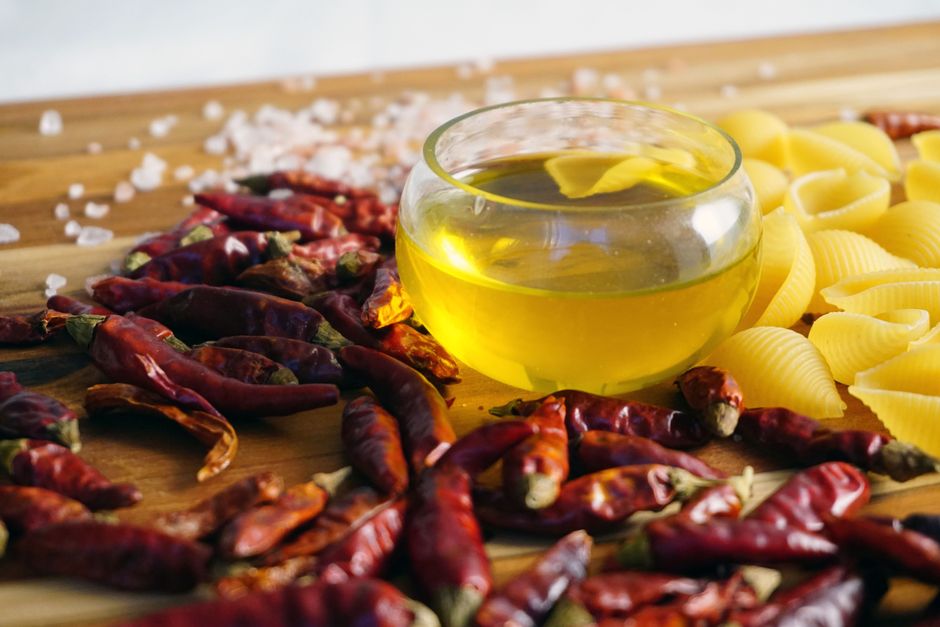
You ate a spicy meal, and within hours your stomach is cramping and you are running to the bathroom. It is a common experience, and it is not your imagination. Spicy food can directly trigger diarrhea in many people. The reason comes down to a specific chemical compound and how your digestive tract reacts to it. Capsaicin, the molecule that gives chili peppers their heat, is not broken down by your stomach. It travels through your digestive system and irritates the lining of your intestines, which speeds everything up and leads to loose, urgent stools.
What Does Capsaicin Do To Your Digestive System?
Capsaicin binds to a specific receptor in your body called TRPV1. This receptor is normally activated by heat and physical irritation. When capsaicin touches it, the receptor sends a pain signal to your brain, which is why spicy food feels hot. This same receptor exists throughout your digestive tract, not just in your mouth.
When capsaicin reaches your stomach and intestines, it stimulates those same pain receptors. The irritation causes your gut to speed up its contractions. This process is called increased motility. Your intestines push contents through faster than normal to get rid of what they see as an irritant. When food moves too quickly, your colon does not have enough time to absorb water back into your body. The result is watery, urgent diarrhea.
This is a direct chemical effect, not an allergic reaction. For most people, it is a normal physiological response to a strong irritant. The speed of your gut is the primary driver of the problem.
Why Does It Happen To Some People But Not Others?
People have different sensitivity levels to capsaicin. Some of this is genetic. Your number of TRPV1 receptors and how strongly they respond can vary from person to person. Some people simply have more sensitive digestive tracts.
Your tolerance also plays a role. People who eat spicy food regularly often develop a reduced response to capsaicin. Their receptors become less reactive over time. This is a form of desensitization. A person who rarely eats spicy food will feel a much stronger effect from the same meal than a regular chili eater.
Underlying digestive conditions change the picture too. People with irritable bowel syndrome (IBS) or other functional gut disorders often have heightened visceral sensitivity. Their intestines react more strongly to any irritant, including capsaicin. For these individuals, even a small amount of spice can trigger cramping and diarrhea.
Is Spicy Food Diarrhea Dangerous?
For a healthy person, an occasional episode of diarrhea after a spicy meal is not dangerous. It is uncomfortable but generally self-limiting. The body clears the irritant and returns to normal within a day or so.
The main concern is dehydration. Diarrhea causes fluid loss, and if it is severe or prolonged, you can lose electrolytes as well. If you have several episodes in a short period, drink water or an oral rehydration solution to replace what you lost. This matters most for older adults, young children, and anyone with a chronic illness.
Seek medical attention if the diarrhea lasts more than two days. Also seek help if you see blood in your stool, have a high fever, or experience severe abdominal pain that does not go away. These symptoms are not typical of a simple spicy food reaction. They point to something else that needs evaluation.





Does Cooking Method Or Pepper Type Change The Effect?
Yes. The amount of capsaicin in a pepper determines how strong the digestive effect will be. The Scoville scale measures this heat. A bell pepper scores zero. A jalapeño scores a few thousand. Carolina Reaper peppers score over one and a half million.
Different parts of the pepper contain different amounts of capsaicin. The seeds and the white pithy membrane that holds them have the highest concentration. Removing these parts before cooking reduces the heat and the digestive irritation. The flesh of the pepper has much less capsaicin.
Cooking methods do not destroy capsaicin. Heat does not break it down. Boiling, roasting, or frying a pepper will not reduce its spicy effect. The only reliable way to lower the capsaicin content is to remove the seeds and membranes or dilute the dish with other ingredients. Dairy products like milk or yogurt can help soothe the mouth, but they do not stop the digestive effects further down the tract.
Does Dairy Or Other Food Help Stop The Diarrhea?
Dairy helps with mouth burn because casein, a milk protein, binds to capsaicin and washes it away from your mouth receptors. This works well for the immediate sensation on your tongue. It does little to prevent the intestinal effects once the capsaicin has already passed through your stomach.
Eating a larger meal alongside the spicy food may help slightly. More food in your stomach dilutes the capsaicin concentration and can slow gastric emptying. This gives your intestines more time to process the meal. It does not eliminate the effect, but it can reduce the intensity for some people.
There is no reliable food or drink that stops capsaicin-induced diarrhea once it starts. The best approach is to let the episode run its course and stay hydrated. Over-the-counter anti-diarrheal medications like loperamide can be used, but they work by slowing gut motility. Some clinicians recommend letting the irritant pass naturally rather than blocking it.
Can You Build A Tolerance To Spicy Food?
Yes, most people can build tolerance over time. Regular exposure to capsaicin desensitizes the TRPV1 receptors. This means the same amount of spice produces a weaker signal over time. Your gut becomes less reactive, and you may experience less cramping and less diarrhea.
This process takes weeks or months of consistent exposure. Start with mild peppers and gradually increase the heat level. Your digestive system adapts, but the tolerance is not permanent. If you stop eating spicy food for a while, your sensitivity will return.
Tolerance is not the same for everyone. Some people never fully adapt, especially if they have a sensitive gut condition like IBS. For those individuals, limiting spice intake may be the more practical approach rather than trying to force tolerance.
When Should You See A Doctor About Spicy Food Diarrhea?
Occasional diarrhea after a very spicy meal is normal. But if it happens regularly with even mild spice, or if it does not resolve within a day or two, it is worth discussing with a doctor. This could indicate an underlying condition that makes your gut more reactive.
People with IBS, inflammatory bowel disease, or a history of gastrointestinal issues should be more cautious. For them, spicy food can trigger symptoms that last longer and are more severe. A doctor can help determine whether the problem is just spice sensitivity or something that needs a broader treatment plan.
Pay attention to your own patterns. If you notice that a specific type of pepper or a specific spice level consistently causes problems, that is useful information. It helps your doctor understand your situation and gives you practical guidance for what to avoid.
If diarrhea is accompanied by unintended weight loss, nighttime symptoms that wake you from sleep, or signs of dehydration like dark urine and dizziness, seek medical advice promptly. These are not typical of a simple capsaicin reaction.
Frequently Asked Questions
How long does diarrhea from spicy food last?
It usually resolves within 24 hours once the capsaicin has passed through your system. If it lasts longer than two days, it may not be related to the spice alone.
Does milk help with diarrhea from spicy food?
Milk helps relieve the burning sensation in your mouth but does not stop the diarrhea. The capsaicin has already moved past your stomach by the time diarrhea occurs.
Why do I get diarrhea from spicy food but my friend does not?
Individual sensitivity to capsaicin varies based on genetics, gut sensitivity, and how often you eat spicy food. Regular spice eaters typically build tolerance over time.
Is spicy food diarrhea a sign of a digestive problem?
Not necessarily, but frequent episodes with mild spice can indicate a sensitive gut. If it happens often or with severe symptoms, it is worth discussing with a doctor.
