

When diarrhea hits, your digestive system needs a break. The best foods to eat are bland, low-fiber, and easy to digest. Think white rice, plain toast, bananas, and applesauce. These foods help firm up stool without irritating your gut further. Stick with small portions and give your body time to recover.
What Exactly Causes Diarrhea?
Diarrhea happens when your intestines push waste through too fast. Your body does not have enough time to absorb water and nutrients. The result is loose, watery stool that can leave you dehydrated and weak.
Common causes include viral infections, food poisoning, and bacteria. Some people get diarrhea from stress or certain medications like antibiotics. Food intolerances, such as lactose or gluten sensitivity, can also trigger it. In many cases, the cause is temporary and clears up on its own.
Understanding the cause matters because it affects what you should eat. If a virus is the culprit, your gut lining may be inflamed. If it is food poisoning, your body is trying to flush out a toxin. Either way, the goal is the same: give your digestive system easy work.
What To Eat When Diarrhea — The BRAT Diet Explained
The BRAT diet is the most well-known approach for diarrhea. BRAT stands for bananas, rice, applesauce, and toast. These foods are low in fiber and gentle on the stomach. They also help bind stool together.
Bananas are especially useful because they are rich in potassium. Diarrhea depletes potassium, which is critical for muscle and nerve function. White rice is bland and easy to digest. It absorbs water in the gut, which can help firm up stool.
Applesauce provides pectin, a type of soluble fiber that can slow digestion. Toast — plain white bread only — gives you energy without irritating your intestines. Avoid whole wheat or seeded breads, as their fiber can make diarrhea worse.
Current research suggests the BRAT diet is a good starting point but is not nutritionally complete. It is low in protein, fat, and many vitamins. Use it for 24 to 48 hours, then slowly add other foods back in.
What Other Foods Are Safe to Eat?
Beyond the BRAT diet, several other foods can help. Plain crackers, pretzels, and saltines are easy on the stomach. They also replace some sodium lost through diarrhea. Chicken broth or clear soups provide fluids and electrolytes without fat.
Cooked carrots, peeled potatoes, and well-cooked zucchini are good options. These vegetables are soft and low in fiber. Poached or boiled chicken and fish give you protein without added fat. Eggs are also safe for most people, as long as they are fully cooked.
Oatmeal and cream of wheat can work if you tolerate grains well. Make them with water, not milk, because dairy can worsen diarrhea for some people. As of 2026, the evidence still supports avoiding high-fiber, fatty, or spicy foods during active diarrhea.
Here is a quick comparison of foods that help versus foods that hurt:
| Safe Foods | Foods to Avoid |
|---|---|
| White rice | Fried or greasy foods |
| Bananas | High-fiber vegetables like broccoli |
| Plain toast or crackers | Spicy dishes |
| Applesauce | Dairy products |
| Boiled potatoes | Raw fruits and vegetables |
| Clear broth | Caffeinated drinks |
| Cooked carrots | Sugary juices or soda |


What About Drinks When You Have Diarrhea?
Staying hydrated is the most important thing you can do. Diarrhea causes you to lose water and electrolytes like sodium and potassium. Plain water is good, but it does not replace electrolytes. Oral rehydration solutions, like Pedialyte, are designed for this purpose.
You can make your own rehydration drink at home. Mix one liter of clean water with six teaspoons of sugar and half a teaspoon of salt. Stir until dissolved and sip slowly throughout the day. This mixture is backed by the World Health Organization and is effective for mild to moderate dehydration.
Avoid drinks that can make diarrhea worse. Caffeinated beverages like coffee and black tea stimulate the gut. Alcohol irritates the digestive lining. Sugary sodas and fruit juices can pull water into the intestines, making stool even looser. Stick with water, clear broths, and rehydration solutions.
What Foods Should You Absolutely Avoid?
Some foods are almost guaranteed to worsen diarrhea. High-fat foods like fried chicken, burgers, and pizza are hard to digest. Your body produces fewer digestive enzymes during diarrhea, so fat passes through undigested and can trigger more loose stool.
Dairy products are a common problem. Even people without lactose intolerance can have trouble digesting milk, cheese, and ice cream during a diarrhea episode. The inflammation in your gut temporarily reduces lactase, the enzyme that breaks down lactose. Yogurt with live cultures is sometimes an exception, but it is better to avoid all dairy until you recover.
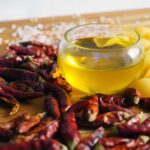
Spicy foods containing chili or hot sauce can irritate an already inflamed gut. High-fiber foods like beans, lentils, nuts, and seeds can make diarrhea worse because they are not fully broken down in the small intestine. Raw vegetables and fruits with skins, like apples with peel or berries, also add too much fiber.
Some people report that artificial sweeteners like sorbitol and xylitol trigger diarrhea. These are common in sugar-free gum, candies, and some protein bars. As of 2026, there is no clinical evidence that these affect everyone, but if you notice a pattern, avoid them during recovery.
When Should You See a Doctor?
Most diarrhea clears up within a few days. But there are signs that mean you need medical help. If diarrhea lasts more than three days in adults, see a doctor. Blood in your stool, severe abdominal pain, or a fever above 102°F are red flags.
Signs of dehydration are also serious. These include extreme thirst, dry mouth, dark urine, dizziness, and feeling weak. Older adults and young children are at higher risk of complications from dehydration. If you cannot keep fluids down for more than 24 hours, seek medical care.
Chronic diarrhea that lasts for weeks or months may point to a different issue, like irritable bowel syndrome, inflammatory bowel disease, or a food intolerance. A doctor can run tests to find the root cause. Do not assume that diet alone will fix long-term diarrhea.
Common Misconceptions About Diarrhea and Diet
A widespread myth is that you should stop eating entirely when you have diarrhea. That is not true. Your body still needs energy to heal. The key is to eat small, frequent portions of safe foods, not to fast.
Another myth is that probiotics will cure diarrhea instantly. Some studies suggest probiotics can shorten the duration of infectious diarrhea by about 24 hours. But the evidence is not strong enough to recommend them for everyone. If you try probiotics, look for strains like Lactobacillus rhamnosus or Saccharomyces boulardii, and check with your doctor first.
Some people believe that drinking more water alone is enough. Water is essential, but without electrolytes, you can still become dehydrated. Rehydration solutions are a better choice when diarrhea is frequent. The idea that sports drinks like Gatorade are good for diarrhea is also misleading. They are high in sugar, which can pull water into the gut and make diarrhea worse.
Frequently Asked Questions About What To Eat When Diarrhea
Can I eat eggs when I have diarrhea?
Yes, fully cooked eggs are generally safe. They provide protein without much fat, which is easier on your stomach.
Is yogurt good for diarrhea?
Yogurt with live cultures may help some people because of probiotics. But dairy can worsen diarrhea for others, so it is best to test a small amount first.
Should I take fiber supplements for diarrhea?
Insoluble fiber like psyllium can bulk up stool for some people. However, it can also make diarrhea worse if your gut is inflamed, so ask a doctor before using it.
How long should I follow the BRAT diet?
Stick with the BRAT diet for 24 to 48 hours. Then slowly add other bland foods like cooked vegetables and lean protein back into your meals.
