

Diarrhea is one of the most common health problems people face, and it can come from three very different directions: an infection, something you ate, or a chronic condition. When it happens repeatedly, it is natural to ask whether your diet is the cause or if you are picking up infections more easily than others. The truth is that both can be true, and they often work together. Some foods change how your gut behaves, and some foods change how vulnerable you are to the bacteria and viruses that cause infectious diarrhea.
What Causes Diarrhea in the First Place?
Diarrhea happens when fluid moves through your intestines too fast for the colon to absorb it. The result is loose, watery stools. The mechanism is straightforward, but the triggers are not. They fall into three main groups: infections, dietary triggers, and chronic digestive conditions.
Infections are caused by viruses, bacteria, or parasites. Viral gastroenteritis is extremely common. Bacterial infections often come from contaminated food or water. Parasites are less common but can cause long-lasting symptoms.
Dietary causes include foods that irritate the gut, foods that draw water into the intestines, and foods you cannot digest properly. Lactose is a classic example. If you lack the enzyme to break it down, it sits in the gut and pulls water in.
Chronic conditions like irritable bowel syndrome, inflammatory bowel disease, and celiac disease can also cause diarrhea. These are not infections, and they are not caused by diet. But diet can make the symptoms worse.
Why Do You Have Diarrhea Infections Diet More?
This is the central question, and the honest answer is that your diet can make you more susceptible to infections, and infections can make your gut more sensitive to foods you normally tolerate. The two are linked through your intestinal lining and the community of bacteria that live there.
Your gut lining is a barrier. It absorbs nutrients and keeps harmful organisms out. When that barrier is healthy, it is harder for pathogens to take hold. When it is damaged or inflamed, bacteria and viruses have an easier path.
Your gut bacteria also matter. A diverse, balanced microbiome competes with harmful bacteria for space and resources. Some research suggests that a diet high in processed foods and low in fiber reduces microbial diversity. A less diverse microbiome may leave you more vulnerable to infection.
This does not mean a perfect diet guarantees you will never get sick. You can eat flawlessly and still get food poisoning from a contaminated meal. But the evidence points to diet as one factor among several that influence your susceptibility.
Which Foods Are Most Likely to Trigger Diarrhea?
Some foods trigger diarrhea in nearly everyone. Others only cause problems for people with specific sensitivities. Knowing the difference matters.
Sugar alcohols are a common trigger. Sorbitol, mannitol, and xylitol are used in sugar-free gum and candies. They are poorly absorbed, and they pull water into the intestines. Even small amounts can cause loose stools in some people.
High-fat meals can trigger diarrhea in people with gallbladder issues or fat malabsorption. The gallbladder releases bile to digest fat. If bile flow is reduced, fat passes through undigested and can cause greasy, urgent stools.
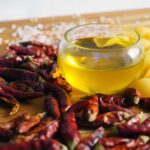
Spicy foods contain capsaicin, which can speed up intestinal transit. For some people, this means food moves through too quickly for water to be absorbed.
Caffeine is a stimulant. It increases muscle contractions in the colon. Coffee in particular is a well-known trigger for urgent bowel movements.
Dairy products cause diarrhea in people with lactose intolerance. This is not an allergy. It is a missing enzyme. Lactose intolerance is very common, especially among adults of Asian, African, and Hispanic descent.
Artificial sweeteners other than sugar alcohols can also cause digestive upset in some people, though the evidence is less consistent.

How Do Infections Change Your Reaction to Food?
An intestinal infection can temporarily change how you digest food. This is often called post-infectious digestive sensitivity. It is real, and it can last weeks or even months.
During an infection, the lining of your intestines becomes inflamed. The cells that produce lactase, the enzyme that digests lactose, live at the tips of the intestinal villi. When those cells are damaged, your lactase production drops. You may temporarily become lactose intolerant even if you never were before.
Inflammation also changes how quickly food moves through your system. Some people develop rapid transit, which means food passes through before full digestion and absorption occur. The result is diarrhea after eating foods that never bothered you before.
This explains a frustrating pattern. You recover from a stomach bug, but now every meal seems to trigger loose stools. Your gut needs time to heal and rebuild its enzyme production and normal motility.
Can Your Diet Prevent Infectious Diarrhea?
Some foods may reduce your risk of infection, but no food can guarantee protection. The evidence is strongest for foods that support a healthy microbiome and a strong intestinal barrier.
Fermented foods like yogurt, kefir, sauerkraut, and kimchi contain live bacteria. Some studies suggest these probiotics can reduce the risk of antibiotic-associated diarrhea and possibly traveler’s diarrhea. The evidence is promising but not definitive.
Fiber is important for gut health. Soluble fiber, found in oats, bananas, and cooked carrots, feeds beneficial gut bacteria. These bacteria produce short-chain fatty acids, which nourish the cells lining your colon.
Food safety practices matter more than any single food. Proper handwashing, cooking meat to safe temperatures, and avoiding unpasteurized dairy products are proven ways to reduce infection risk. No diet can compensate for unsafe food handling.
When Should You See a Doctor?
Most diarrhea resolves on its own within a few days. But some situations require medical attention.
See a doctor if diarrhea lasts more than two days without improvement. Seek immediate care if you have signs of dehydration, including dark urine, dizziness, or extreme thirst.
Blood in the stool is always a reason to seek medical attention. So is a fever above 102°F. Severe abdominal pain that does not go away also warrants evaluation.
Diarrhea in older adults, pregnant women, or people with weakened immune systems needs more careful monitoring. These groups dehydrate faster and are more vulnerable to complications.
Chronic diarrhea, defined as lasting more than four weeks, requires a medical workup. It may indicate a condition like irritable bowel syndrome, inflammatory bowel disease, or celiac disease. These are diagnosable and treatable, but only with proper testing.
What Should You Eat When You Have Diarrhea?
When you have active diarrhea, the goal is to stay hydrated and eat foods that are easy on the gut. The BRAT diet — bananas, rice, applesauce, and toast — is a classic recommendation. It is bland and low in fiber, which means less stimulation for the gut.
But the BRAT diet is not nutritionally complete. It is meant for short-term use, not for days on end. After a day or two, you should add other easily digested foods like boiled potatoes, plain crackers, and clear broths.
Oral rehydration solutions are important for replacing fluids and electrolytes. These are available at pharmacies and are more effective than sports drinks for treating dehydration from diarrhea.
Avoid dairy, fatty foods, and high-fiber foods while diarrhea is active. Avoid caffeine and alcohol, which can worsen dehydration. Sugar-free products containing sugar alcohols should also be avoided during recovery.
How Do You Tell the Difference Between Infection and Diet?
Distinguishing between infectious and dietary diarrhea is not always easy, but some patterns are helpful.
Infectious diarrhea often comes with fever, nausea, vomiting, and body aches. It usually starts suddenly and affects everyone who ate the same contaminated food. It typically resolves within three to seven days.
Dietary diarrhea is more predictable. It happens after eating specific foods. It does not cause fever. And it tends to resolve quickly once the trigger food is out of your system.
If your symptoms are consistently linked to certain foods, that points to a dietary trigger. If they come on suddenly with systemic symptoms, that points to infection. If they alternate between the two, you may be dealing with both.
What Role Does Stress Play?
Stress does not cause diarrhea directly, but it can make it worse. The gut and brain are connected through the vagus nerve and the enteric nervous system. Stress changes gut motility, increases inflammation, and alters the microbiome.
For people with irritable bowel syndrome, stress is a well-documented trigger for diarrhea. The same stress hormones that prepare your body for a threat also speed up intestinal transit.
Stress does not make you more likely to catch an infection. But it can make an existing infection feel worse and prolong recovery.
Frequently Asked Questions
How long does diarrhea usually last?
Most cases of infectious diarrhea resolve within three to seven days. If diarrhea lasts more than two days without improvement, seek medical advice.
Can probiotics help prevent diarrhea?
Some evidence suggests probiotics may reduce the risk of antibiotic-associated diarrhea and traveler’s diarrhea. The evidence is promising but not strong enough to guarantee protection.
Is it safe to take over-the-counter anti-diarrheal medication?
Anti-diarrheal medications like loperamide are safe for mild cases in otherwise healthy adults. Do not use them if you have a fever or blood in your stool, as this may indicate a bacterial infection that needs to run its course.
Why does milk give me diarrhea after a stomach bug?
An intestinal infection damages the cells that produce lactase, the enzyme that digests lactose. This temporary lactose intolerance can last for weeks after the infection clears.
