
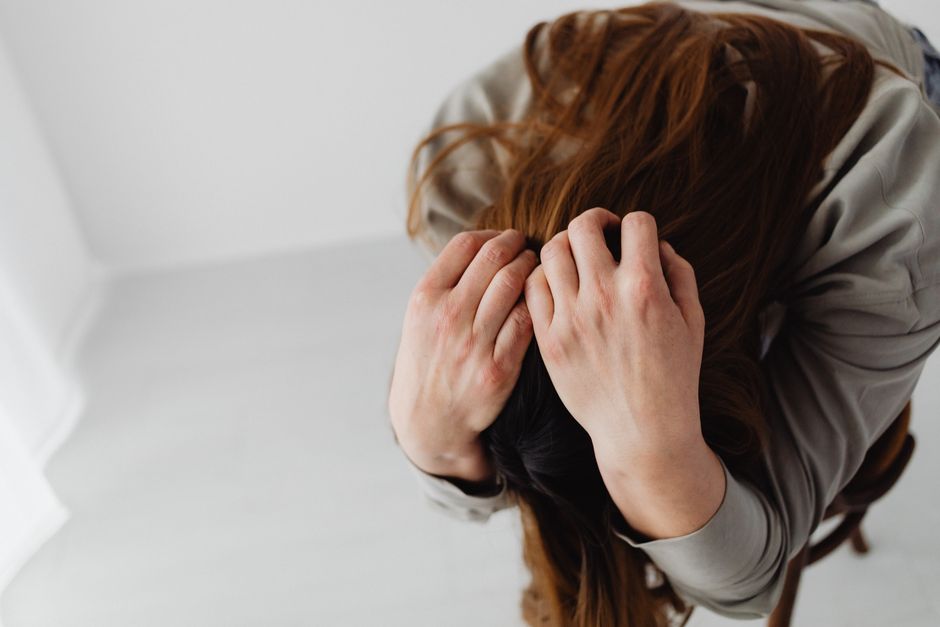
Pulling hair can feel good because it triggers the release of tension and produces a mild, temporary sensation of relief. The behavior sits at the intersection of the body’s pain-response system, the brain’s reward pathways, and the way repetitive physical actions can soothe a stressed nervous system. For some people, it stays a harmless habit. For others, it becomes a compulsion that causes real hair loss and emotional distress. That line matters, and this article walks through it honestly.
Why Does Pulling Hair Feel Good
The short answer is that the sensation is not really about the hair. It is about what happens in the nervous system when a small, controlled amount of physical stimulation meets a brain that is looking for relief.
When you pull a hair, the follicle and surrounding scalp tissue send signals through nerve fibers that respond to mechanical pressure and mild pain. These signals travel to the brain and interact with systems involved in attention, arousal, and reward. Many people describe the moment of pulling as a release — a brief drop in tension that feels satisfying in a way that is hard to explain.
This is not a sign that something is wrong with your brain. It is a normal feature of how the nervous system responds to certain kinds of physical input. The same general mechanism helps explain why some people bite their nails, pick at their skin, or press on a bruise. The body produces a signal, the brain registers it as meaningful, and the behavior gets reinforced.
The word “good” here is doing a lot of work. For some people, it is a mild pleasant sensation. For others, it is closer to a compulsion — something that feels necessary rather than enjoyable. The distinction matters because the two situations call for very different responses.
What Happens in the Brain When You Pull Hair
The brain does not treat all physical sensations equally. A gentle touch and a sharp pull activate different pathways, and the pull tends to get more attention.
Pain and pressure signals from the scalp travel through sensory nerves to the spinal cord and then up to the brain. Along the way, they can trigger the release of endogenous opioids — the body’s own pain-relieving chemicals. These are the same general systems involved in the “runner’s high” and in the relief some people feel after certain repetitive behaviors. The release is brief and modest, but it can be enough to register as a small reward.
At the same time, the act of pulling is repetitive and focused. Repetitive physical actions can narrow attention and reduce awareness of background stress or emotional discomfort. This is one reason repetitive behaviors show up across many conditions and habits. The brain learns that the action produces a predictable, controllable sensation — and predictability itself can feel calming.
There is also a feedback loop at work. The pull produces a sensation. The sensation produces a brief sense of relief. The relief reinforces the behavior. Over time, the brain may start to associate the urge to pull with the expectation of relief, which is why the behavior can become harder to interrupt even when someone wants to stop.
None of this means the behavior is beneficial. It means the brain is doing what brains do: learning from consequences. The problem is that the consequence — brief relief — can come with a real cost.
Is Pulling Hair a Sign of a Mental Health Condition?
Not always. Many people pull at their hair occasionally without any underlying condition. But when the behavior becomes repetitive, difficult to control, and causes noticeable hair loss, it may meet the criteria for a recognized condition called trichotillomania.
Trichotillomania is classified as an obsessive-compulsive and related disorder. It involves recurrent pulling of one’s hair, repeated attempts to stop, and significant distress or impairment. The hair loss can be visible, and people often feel shame or embarrassment about it. The condition is not rare, though it is often underreported because people hide it.
It is important to be clear about what trichotillomania is not. It is not a sign of weakness. It is not attention-seeking. It is not the same as a harmless habit. It is a clinical condition with defined criteria, and it can be treated.
There is also a related behavior called hair pulling that occurs in the context of other conditions. Some people pull hair during periods of anxiety, depression, or intense stress. Others do it as part of a broader pattern of body-focused repetitive behaviors, which can include skin picking and nail biting. The underlying drivers can overlap, but the treatment approach may differ.
If you are pulling hair to the point of visible loss, or if you have tried to stop and cannot, that is worth discussing with a clinician. It does not automatically mean you have trichotillomania, but it does mean the behavior deserves a real conversation rather than a shrug.



Why the Relief Feels Temporary
The relief from pulling a hair is short-lived by design. The body’s pain-relief and reward systems are not built to produce lasting calm from a single physical action.
Endogenous opioid release is brief. The sensory signal fades within seconds to minutes. The attention-narrowing effect of the repetitive action also fades as soon as the action stops. What remains is the original tension, stress, or emotional discomfort that prompted the behavior in the first place.
This is why the cycle can repeat. The brain remembers that pulling helped before, so it reaches for the same solution again. Over time, the behavior can become more frequent or more intense as the person tries to recapture the same level of relief. This pattern is common across many body-focused repetitive behaviors, and it is one reason they can be hard to stop through willpower alone.
Understanding the temporary nature of the relief is not about shaming anyone. It is about recognizing that the behavior is doing something real — just not something lasting. That distinction can help people think about what else might address the underlying tension more effectively.
How Is Hair Pulling Treated?
Treatment for problematic hair pulling generally falls into two categories: behavioral therapy and medication. The evidence is strongest for behavioral approaches, particularly a type of cognitive behavioral therapy called habit reversal training.
Habit reversal training teaches people to notice the urge to pull before they act, to substitute a different behavior when the urge arises, and to build awareness of the situations that trigger the behavior. It is structured, practical, and focused on changing the pattern rather than just suppressing the urge. Research has found it helpful for many people with trichotillomania, though it does not work for everyone.
Medication is sometimes used, particularly when the behavior is severe or when therapy alone is not enough. Some clinicians prescribe selective serotonin reuptake inhibitors, though the evidence for their effectiveness in trichotillomania specifically is mixed. Other medications have been studied, but no single drug is considered a reliable stand-alone treatment. Anyone considering medication should discuss the risks and benefits with a qualified clinician.
Some clinicians also recommend support groups or individual therapy focused on the emotional aspects of the behavior. Shame and secrecy can make the condition harder to manage, and talking about it in a safe setting can reduce that burden.
What does not have strong evidence behind it is the idea that you can simply decide to stop. If that worked, most people would have stopped already. The behavior is not a choice in the way it might look from the outside.
When to Talk to a Doctor
Occasional hair pulling is common and usually not a medical concern. The picture changes when the behavior causes visible hair loss, when you have tried to stop and cannot, or when it interferes with your daily life or emotional health.
It is also worth talking to a doctor if you are unsure whether the pulling is related to another condition. Scalp conditions, skin disorders, and other medical issues can sometimes cause itching or discomfort that leads to pulling. A clinician can help sort out what is driving the behavior.
If you are pulling hair to the point of bleeding, infection, or significant bald patches, that is a reason to seek care sooner rather than later. These are signs that the behavior has moved beyond a mild habit and needs professional attention.
There is no single test for trichotillomania. Diagnosis is based on history and clinical criteria. A doctor or mental health professional can assess the pattern, rule out other causes, and discuss options.
What Helps Beyond Treatment
Beyond formal treatment, some practical strategies can reduce the frequency of pulling for people who are not ready or able to pursue therapy. These are not cures, and the evidence for them is not as strong as for habit reversal training, but they are commonly suggested by clinicians.
- Keeping hands busy with a small object or fidget can reduce opportunities to pull.
- Covering the hair or wearing a hat can create a physical barrier.
- Noticing triggers — such as stress, boredom, or certain environments — can help you plan ahead.
- Reducing overall stress through sleep, exercise, or relaxation practices may lower the urge for some people.
None of these replace professional care if the behavior is causing real problems. They are supports, not solutions. The most reliable path for persistent, distressing hair pulling is working with a clinician who understands body-focused repetitive behaviors.
Why This Matters
The fact that pulling hair feels good is not a moral failing. It is a reflection of how the nervous system responds to certain kinds of physical input. The relief is real, even if it is brief. The problem is not the sensation itself — it is what happens when the behavior becomes a loop that is hard to break and starts to cause harm.
For some people, that loop never becomes a problem. For others, it does. Knowing the difference, and knowing that help exists, is the most useful thing this article can offer.
Frequently Asked Questions
Why does pulling hair feel good?
Pulling hair triggers sensory nerves and a brief release of the body’s own pain-relieving chemicals, which can produce a short-lived sense of relief or satisfaction. The repetitive nature of the action may also narrow attention and reduce awareness of stress.
Is pulling hair a sign of a mental health condition?
Not always, but when it becomes repetitive, hard to control, and causes noticeable hair loss, it may meet the criteria for trichotillomania, a recognized obsessive-compulsive and related disorder. A clinician can help determine whether the behavior fits a diagnosis.
Can hair pulling be treated?
Yes. Habit reversal training, a type of cognitive behavioral therapy, has the strongest evidence for helping people reduce hair pulling. Medication is sometimes used, but the evidence for its effectiveness specifically in trichotillomania is mixed.
When should I see a doctor about hair pulling?
See a doctor if the behavior causes visible hair loss, if you have tried to stop and cannot, or if it interferes with your daily life or emotional health. Signs like bleeding or infection are reasons to seek care sooner.
