
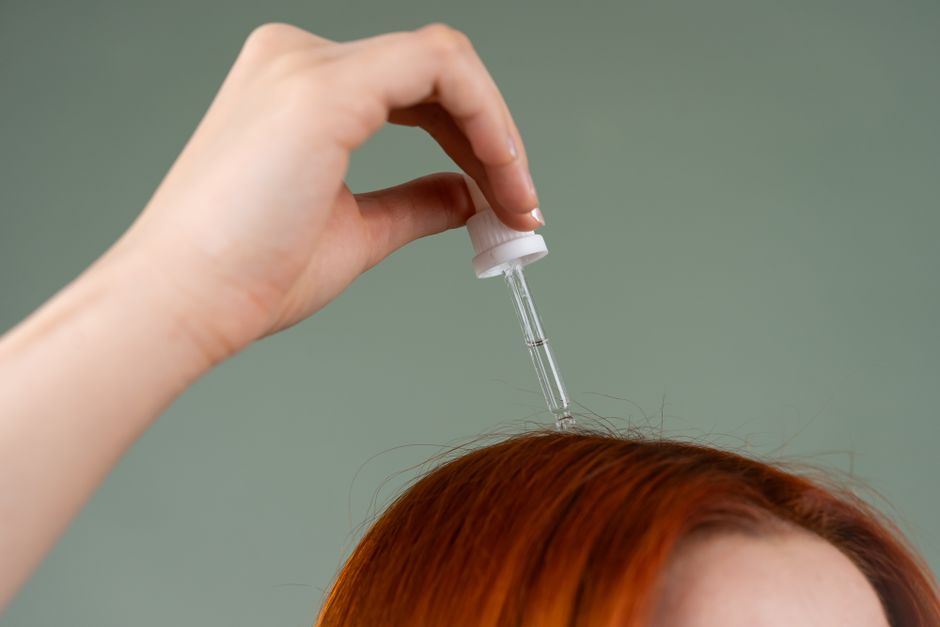
Semi-permanent hair dye is generally considered safer than permanent dye because it does not use ammonia or peroxide to lift the hair cuticle and deposit color. That lower chemical load is real. But “safer than permanent dye” is not the same as “risk-free,” and the main concern most people should know about is a serious allergic reaction called contact dermatitis.
Most people who color their hair with semi-permanent products have no problems. The reactions that do occur are usually skin irritation or an allergy that can develop after repeated use — even with a product you have used for years. The single most important safety step is a patch test before each application, and it is the step most people skip.
Is Semi Permanent Hair Dye Safe Risks Explained
Semi-permanent dye sits on the surface of the hair and penetrates only the outer layer, the cuticle. It does not break chemical bonds inside the hair shaft the way permanent dye does. That is why it washes out over several shampoos instead of growing out.
Because it works without ammonia and without hydrogen peroxide, it avoids the two ingredients most associated with scalp burning and hair damage from permanent coloring. On the safety spectrum, that places semi-permanent dye below permanent dye and below bleach for irritation risk.
What it does not avoid is the potential for allergy. The coloring molecules themselves — and preservatives and fragrances in the formula — can trigger an immune response in some people. The risk is not zero, and it is not determined by how “natural” or “gentle” the label sounds.
What Ingredients in Semi Permanent Dye Can Cause Reactions?
The most common culprit in hair dye allergy is a class of chemicals called paraphenylenediamine, usually shortened to PPD. It is found in many permanent and some darker semi-permanent formulas because it produces long-lasting dark shades.
PPD is a well-documented cause of allergic contact dermatitis. It can also cause reactions in people who have never reacted before, and once a sensitivity develops it tends to be permanent. This is why a reaction can appear suddenly after years of trouble-free coloring.
Other ingredients that can cause problems include:
- Preservatives such as methylisothiazolinone, which are common in water-based cosmetics
- Fragrance compounds, which are a frequent cause of skin allergy
- Other dye intermediates related to PPD, which can cross-react in people already sensitized
Some products marketed as “natural” or “herbal” still contain these chemicals. Henna-based dyes are a separate category, but some “black henna” products have been adulterated with PPD to darken the color, and those have caused severe reactions. The word on the box is not a reliable safety signal. The ingredient list is.
What Does a Hair Dye Allergic Reaction Look Like?
An allergic reaction to hair dye usually shows up on the scalp, hairline, ears, and neck. It can also appear on the eyelids and face, because the dye transfers to skin that was never directly treated.
Typical signs include redness, itching, swelling, and a rash that may blister or weep. Symptoms often start within 24 to 48 hours of application, but they can be delayed. Some people notice nothing for several days.
A rare but more serious reaction called anaphylaxis can involve swelling of the face or throat, difficulty breathing, or widespread hives. This is a medical emergency and needs immediate care. It is uncommon with hair dye, but it has been reported.
If a reaction is mild, it usually settles once the dye is removed and the skin is washed. More significant reactions may need treatment from a doctor. If you have ever reacted to a hair dye, do not use that product or a similar one again without medical advice.





Does Semi Permanent Dye Damage Your Hair?
Compared with permanent dye and bleach, semi-permanent dye causes far less structural damage to hair. It does not require lifting the cuticle with ammonia or breaking disulfide bonds with peroxide, so the hair shaft stays largely intact.
That said, “less damaging” is not “non-damaging.” Repeated application, especially on already fragile or chemically treated hair, can still leave hair feeling drier or rougher over time. The effect is generally minor and reversible as the dye washes out.
One practical point: because semi-permanent dye does not lighten hair, it cannot make dark hair lighter. If a product claims to lighten several shades without peroxide or bleach, that claim deserves skepticism. Color can only be deposited, not lifted, without those agents.
Who Should Be More Careful With Semi Permanent Hair Dye?
Some groups face a higher risk of reaction or have less safety information available. Being more cautious does not mean the product is dangerous for them — it means the margin for error is smaller.
- People with a known dye allergy should avoid PPD-containing products entirely and talk to a doctor or dermatologist about alternatives.
- People with a history of eczema or sensitive skin may be more prone to irritation, though not everyone with these conditions reacts.
- Pregnant or breastfeeding people should know that no clinical guidelines currently set a safe exposure level for hair dye during pregnancy. The evidence does not show a clear harm, but it also does not fully rule one out. Many choose to wait until after the first trimester or skip coloring altogether. That is a personal decision to make with a clinician.
- Anyone coloring a child’s hair should be aware that children can develop the same allergies, and their skin may be more reactive.
The patch test matters most for anyone in these groups. It is not a formality.
How Do You Do a Patch Test Correctly?
A patch test is the only reliable way to know whether a product will trigger a reaction in you. It checks for allergy, not irritation, and it needs to be done before each application, not just the first time.
The standard approach is to mix a small amount of the dye as directed, apply a dab behind the ear or on the inner bend of the elbow, and leave it undisturbed for the time the manufacturer specifies. Then wait the full recommended period — usually 48 hours — before applying the product to your hair.
Two things commonly go wrong. People test too small an area, or they check the spot after a few hours and call it fine. Allergies can take up to 48 hours to show. A test read too early can miss a reaction entirely.
If the test area shows redness, itching, swelling, or blisters, do not use the product. If it looks clear after the full waiting period, the risk of a reaction is lower — though not eliminated, since reactions can still occur on rare occasions.
How Does Semi Permanent Compare to Permanent Dye?
The two are not interchangeable, and the safety differences are meaningful. The table below summarizes the main distinctions.
| Feature | Semi-Permanent | Permanent |
|---|---|---|
| Ammonia | Usually none | Common |
| Hydrogen peroxide | Usually none | Common |
| Can lighten hair | No | Yes |
| Penetrates hair shaft | Minimal | Deep |
| Washes out | Yes, over several washes | No, grows out |
| Hair damage potential | Lower | Higher |
| Allergy risk | Present, especially with PPD | Present, especially with PPD |
The key point from that table: the allergy risk column is not blank for semi-permanent dye. Both types can contain the same sensitizing chemicals. The reduced risk with semi-permanent dye is mainly about irritation and hair damage, not about allergy.
What Should You Do If You React to Hair Dye?
Stop using the product and rinse the area with lukewarm water. Do not scrub hard or use harsh soaps, which can worsen irritation. A mild, fragrance-free cleanser is usually enough.
For mild itching or redness, a cool compress can help. Over-the-counter hydrocortisone cream is sometimes used for short-term relief of mild skin inflammation, but it should not be applied to broken or blistered skin without medical advice.
See a doctor if the reaction is spreading, blistering, or painful, or if it involves the face, eyelids, or throat. Swelling of the throat or trouble breathing is an emergency — call for help right away.
If you have reacted once, note the product and its ingredients. A dermatologist can sometimes perform patch testing to identify exactly which ingredient caused the problem, which helps you avoid it in the future. Because dye allergy tends to persist, avoiding the trigger is the main long-term strategy.
Frequently Asked Questions
Is semi-permanent hair dye safer than permanent dye?
It is generally less irritating and less damaging to hair because it usually avoids ammonia and peroxide. It is not allergy-free, since some formulas still contain the same sensitizing chemicals found in permanent dye.
Can you suddenly become allergic to hair dye you have used for years?
Yes. Allergic contact dermatitis can develop after repeated exposure, even to a product you have used without problems for a long time. Once a sensitivity develops, it usually does not go away.
Does semi-permanent hair dye contain PPD?
Some do, especially darker shades, while others use different dye molecules. Check the ingredient list and do a patch test, since the label is the only reliable way to know what is in a specific product.
How long should you wait before trusting a patch test?
You should wait the full period the manufacturer recommends, which is typically 48 hours. Reading the test too early can miss a reaction that would have appeared later.
