
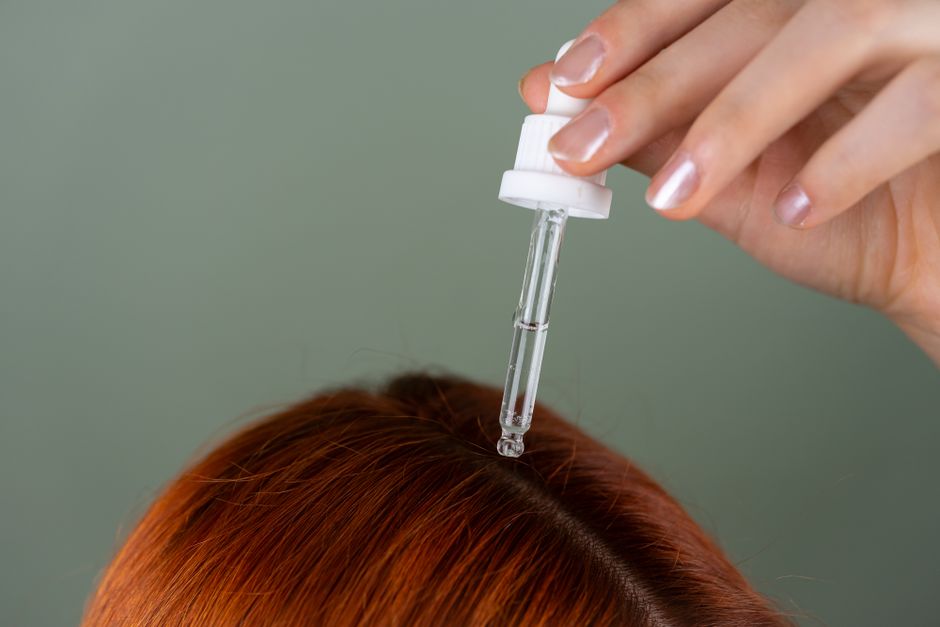
Most people notice their first grey hair and immediately wonder what caused it. The direct answer is that your hair follicles stop producing melanin, the pigment that gives hair its color. This happens when melanocyte stem cells in your follicles become damaged or simply wear out over time. Once these cells stop working, new hair grows in without pigment — and that means grey, white, or silver strands.
What Actually Causes Hair to Turn Grey?
Your hair color comes from melanin, which is made by cells called melanocytes. These cells sit at the base of each hair follicle. Every time your hair grows, these cells inject pigment into the hair shaft. When they produce less pigment or stop entirely, the hair grows in grey or white.
The process is driven by what scientists call oxidative stress. This is a type of cellular damage caused by free radicals — unstable molecules that attack cells over time. Melanocytes are especially sensitive to this damage. Research published in Nature has shown that as melanocyte stem cells accumulate damage, they lose their ability to make pigment.
Genetics plays the biggest role in when this starts. If your parents went grey early, you likely will too. The Harvard Medical School reports that race also matters — white people typically start greying in their mid-30s, while Black people often start in their mid-40s.
Does Stress Really Turn Hair Grey?
This is one of the most common questions people ask. The short answer is yes, but not in the way most people think. A landmark study from Harvard University in 2020 found that stress can actually trigger hair greying in mice. The study showed that stress hormones caused melanocyte stem cells to leave the hair follicle, and once they left, the hair grew in grey.
| Factor | Effect on Grey Hair |
|---|---|
| Genetics | Determines when greying starts — this is the strongest factor |
| Oxidative stress | Damages pigment-producing cells over time |
| Severe stress | Can accelerate greying by depleting melanocyte stem cells |
| Medical conditions | Thyroid disorders, vitiligo, and alopecia areata can cause premature greying |
| Lifestyle factors | Smoking is linked to earlier greying; diet has unclear effects |
For humans, the evidence is less direct but still convincing. A 2021 study from Columbia University found that some people who experienced extreme stress saw their hair turn grey, and when the stress was removed, some hair actually regained color. This suggests greying can be reversible in some cases, though this is likely limited to recent greying, not hair that has been white for years.
Chronic stress probably accelerates greying rather than causing it from scratch. If you are genetically programmed to grey at 50, intense stress at 35 might move that timeline forward. But stress alone likely cannot turn a full head of dark hair grey overnight — that myth comes from historical anecdotes, not biology.
Can You Reverse Grey Hair Naturally?
This is where a lot of misinformation lives online. The honest answer is that no reliable evidence shows you can reverse grey hair with supplements, foods, or lifestyle changes. The Federal Trade Commission has warned companies against claiming their products can reverse greying because these claims lack scientific proof.
Some studies suggest that correcting certain vitamin deficiencies might help. A 2018 study in International Journal of Trichology found that people with premature greying had lower levels of vitamin B12, folic acid, and biotin compared to people without greying. But this does not mean taking these vitamins will turn grey hair back to its original color — it only means that if you are deficient, correcting that deficiency might prevent further greying.
Copper is another mineral that gets attention. Some people report that copper supplements helped restore hair color. As of 2026, there is no clinical evidence that copper reverses greying in people who are not copper-deficient. Taking extra copper when you do not need it can cause toxicity, including liver damage.
The most honest thing to say is this: if greying is caused by an underlying medical condition or a clear nutrient deficiency, fixing that problem might slow or stop further greying. But for the vast majority of people, greying is a natural genetic process that cannot be reversed with current treatments.





What Medical Conditions Cause Premature Grey Hair?
Premature greying is defined as greying before age 20 in white people and before age 30 in Black people. When greying happens this early, it is worth checking for an underlying condition.
Thyroid disorders are the most common medical cause. Both hyperthyroidism and hypothyroidism can affect melanin production. The American Academy of Dermatology notes that treating the thyroid condition often restores normal hair color in these cases.
Vitiligo is an autoimmune condition where the immune system attacks melanocytes. This causes white patches on the skin and can also cause patches of white hair. Alopecia areata, another autoimmune condition, causes hair loss and sometimes regrows white hair instead of pigmented hair.
Vitamin B12 deficiency is surprisingly common, especially in older adults and people on plant-based diets. A severe deficiency can cause pernicious anemia, which is linked to premature greying. A simple blood test can check your B12 levels.
Smoking is a lifestyle factor that is consistently linked to earlier greying. A 2013 study in Indian Dermatology Online Journal found that smokers were two and a half times more likely to have premature greying compared to non-smokers. The chemicals in cigarette smoke increase oxidative stress throughout the body, including in hair follicles.
Do Supplements or Treatments Actually Work for Grey Hair?
The supplement industry makes a lot of money off people worried about grey hair. The reality is that most supplements marketed for hair color have no solid evidence behind them. Here is what the research actually shows:
- Catalase supplements — These are widely promoted based on the idea that hydrogen peroxide buildup in hair follicles causes greying. While it is true that hydrogen peroxide can bleach hair, there is no evidence that taking catalase enzymes orally does anything. The stomach digests them before they reach hair follicles.
- PABA (para-aminobenzoic acid) — Some older studies from the 1940s suggested PABA could restore hair color. These studies were small and poorly designed. Modern research does not support this use.
- Fo-ti (Polygonum multiflorum) — This Chinese herb has been used traditionally for hair health. Some people report darkening of grey hair with use. Strong evidence is limited, and there are reports of liver toxicity with some preparations.
- Biotin and collagen — These are good for hair strength and growth but have no demonstrated effect on hair color.
Topical treatments like minoxidil (Rogaine) can stimulate hair growth but do not change hair color. Some people report that minoxidil makes their hair grow in darker, but this is not reversing greying — it is just activating existing follicles that still produce pigment.
If you are looking for something that actually works, hair dye is the only proven option. The science of reversing greying is simply not there yet, and anyone claiming otherwise is likely selling something.
Common Misconceptions About Grey Hair
One persistent myth is that plucking one grey hair causes more to grow back. This is false. Plucking a grey hair removes that single hair, and the follicle will grow a new hair that is also grey because the melanocytes in that follicle are still inactive. Plucking can damage the follicle and cause scarring or infection, but it does not spread greying.
Another myth is that grey hair is coarser or more wiry than pigmented hair. This is actually true for many people, but not because the hair itself changes. The sebaceous glands that produce oil in the scalp can become less active with age, making hair feel drier and coarser. The texture change is due to aging of the scalp, not the loss of pigment.
Some people believe that a sudden shock or trauma can turn hair white overnight. This is widely claimed though strong evidence is limited. The condition is called canities subita, and there are documented historical cases. The modern explanation is that a severe autoimmune reaction called alopecia areata can cause rapid shedding of pigmented hairs while leaving white hairs intact. This makes it look like the hair turned white overnight, when in reality the dark hairs simply fell out.
Finally, there is no evidence that stress from everyday life — work deadlines, traffic, daily frustrations — causes grey hair. The research points to severe, prolonged stress or traumatic events as the type that might have an effect. The occasional bad day is not turning your hair grey.
Frequently Asked Questions
Can grey hair be reversed naturally?
No reliable evidence shows that natural remedies reverse grey hair. The only exception is when greying is caused by a vitamin deficiency or thyroid condition, and treating that condition may restore color.
Does pulling out grey hair make more grow back?
No. Plucking one grey hair does not cause others to grow. The same follicle will grow another grey hair because those pigment cells are still inactive.
At what age does grey hair normally start?
White people typically start greying in their mid-30s. Black people typically start in their mid-40s. Asian people fall somewhere in between.
Can stress really cause grey hair?
Yes, severe stress can accelerate greying by depleting pigment-producing stem cells. Some studies have shown that removing the stress can reverse recent greying in some cases.
