
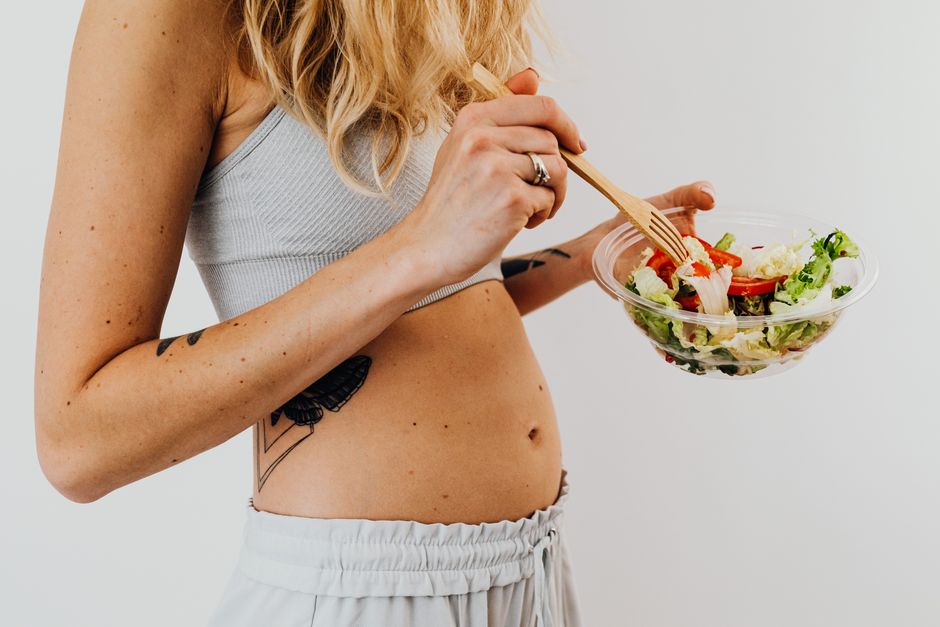
If you have ever noticed a head of lettuce turning red or pink, you might wonder if it is safe to eat. The short answer is yes, in most cases. Lettuce turns red due to natural pigments called anthocyanins. These pigments can appear for two main reasons: the lettuce variety is naturally red, or the plant produced anthocyanins in response to stress such as cold temperatures, bright light, or aging. When cut lettuce turns pink or rust-colored, that is often oxidation. Each cause has different implications for safety and quality.
Why Does Lettuce Turn Red? The Main Reasons
The red color in lettuce comes from anthocyanins, which are water-soluble pigments found in many plants. In red leaf lettuce or radicchio, these pigments are present from the start. But green lettuce can also develop red or pink patches. This happens when the plant is exposed to environmental stressors.
Cold temperatures, high light intensity, or nutrient imbalances can trigger anthocyanin production. Some research suggests this is a protective response. The pigments act like sunscreen, shielding leaf cells from excess light. They may also help the plant handle cold stress. If you buy green lettuce in winter or after a cold snap, you might see more red discoloration.
Aging also plays a role. As lettuce leaves get older, chlorophyll breaks down and other pigments become visible. This can give a yellowish or reddish tint. The lettuce is still edible but may be less crisp.
Is Red Lettuce Safe to Eat?
Yes, red discoloration from anthocyanins is safe. In fact, many salad mixes intentionally include red leaf varieties. The red pigment is the same compound found in berries and red cabbage. It is a natural antioxidant.
There is one exception. If the red or pink color is accompanied by a slimy texture, bad smell, or visible mold, the lettuce has spoiled. That is not from anthocyanins — it is from bacterial or fungal growth. Always check for signs of decay before eating.
What Causes Red Spots or Patchy Red on Green Lettuce?
Uneven red spots on green lettuce are usually from environmental stress during growth. High light, low temperature, or fluctuations in water availability can cause localized anthocyanin production. The spots may look like rust or bruising but are not harmful.
Another common cause is pink rib or pink discoloration along the stem. This is often related to storage conditions. Lettuce stored too long or at too warm a temperature can develop pink stains on the ribs. This is still safe to eat, but quality is declining.
Some gardeners also notice red edges on lettuce leaves. That is typically “tip burn” caused by calcium deficiency or uneven watering. The red is a secondary symptom — the leaf tissue is damaged, and anthocyanins accumulate around the injury. Trim the affected edges if desired.




Why Does Cut Lettuce Turn Pink or Rust-Colored?
When you cut or tear lettuce, enzymes in the plant cells react with oxygen in the air. This is called enzymatic browning. In some lettuce varieties, particularly those with higher phenolic compounds, the browning can appear pinkish or rust-colored rather than brown.
This is cosmetic. The lettuce is still safe to eat, though the flavor may be slightly changed. To slow down browning, keep cut lettuce cold and dry. Some people rinse lettuce in cold water and spin it dry immediately. Adding a small amount of lemon juice or vinegar can reduce oxidation due to the acidic pH, but it may affect taste.
Pre-packaged salads sometimes turn pink at the cut edges if stored too long. This is a sign of age, not spoilage. If the bag has no off odor or sliminess, it is fine to eat.
How to Prevent Lettuce from Turning Red
You cannot stop naturally red varieties from being red — that is a feature, not a flaw. But you can reduce stress-induced reddening in green lettuce. When shopping, choose crisp, evenly colored heads. Store lettuce in the vegetable crisper drawer of your refrigerator, ideally in a perforated plastic bag that allows airflow.
Keep lettuce away from ethylene-producing fruits like apples and bananas, which accelerate aging. Use lettuce within a few days of purchase. For cut lettuce, store it in a sealed container with a paper towel to absorb moisture. Change the towel if it becomes wet.
If you grow lettuce at home, choose varieties suited to your climate. Plant in partial shade in hot weather, and provide consistent water. Avoid over-fertilizing with nitrogen, which can make leaves more susceptible to stress discoloration.
Are There Health Benefits to Red Lettuce?
Red lettuce contains anthocyanins, which are a type of flavonoid with antioxidant properties. Some studies suggest diets rich in anthocyanins may support cardiovascular health and reduce inflammation. However, these studies often look at berries and red cabbage, not specifically lettuce. The amounts in red lettuce are lower than in deeply colored fruits.
That said, red lettuce is a good source of vitamin A (from beta-carotene), vitamin K, and folate. Eating a mix of dark green and red lettuce gives you a broader range of phytonutrients. The color is a marker of diversity, not a guarantee of superior nutrition. Any lettuce is a healthy addition to a balanced diet.
Frequently Asked Questions
Is red lettuce still good to eat?
Yes, red lettuce from natural pigments is safe to eat. Discard only if it shows signs of spoilage like sliminess or a bad smell.
What does it mean when lettuce turns pink after cutting?
That is oxidation — enzymes in the cut cells react with air. It is not harmful but indicates the lettuce is aging. Keep cut lettuce cold to slow it down.
Can you eat lettuce that has turned red from cold storage?
Yes. Cold stress triggers harmless anthocyanin production. The texture may be slightly less crisp, but it is safe.
How do you keep cut lettuce from turning pink?
Store cut lettuce dry and cold. Use a paper towel in a sealed container and replace it if damp. Adding a splash of acidic dressing just before eating can also help.
