
Feeling shaky, sweaty, or suddenly tired an hour or two after a meal is confusing. You just ate, so why would your blood sugar fall? The answer is that in most healthy people, blood sugar dipping after eating is not a sign of disease at all. It is the tail end of a normal hormone response, where insulin moves glucose out of the blood faster than the meal is replacing it. That short window is called reactive hypoglycemia, and it is common, usually mild, and often tied to what and how you ate.
Why Does Blood Sugar Drop After Eating Causes Fixes?
The drop starts with a normal sequence of events. When you eat carbohydrate, your digestive system breaks it into glucose, which enters the bloodstream. The pancreas releases insulin to move that glucose into cells for energy or storage. In some people, insulin rises higher or faster than the meal requires, and blood sugar slides below the usual range before it stabilizes.
Clinicians often call this reactive hypoglycemia. It is different from the low blood sugar seen in diabetes treatment, which can be more serious and needs medical care. In people without diabetes, reactive dips are usually mild and short-lived. The body has backup systems. When glucose falls, the pancreas releases glucagon, and the adrenal glands release epinephrine, which together push glucose back up. That is why most episodes pass within a short time.
There is a detail worth knowing. True reactive hypoglycemia is not as common as the internet suggests. Many people who feel shaky after eating have symptoms without their blood sugar actually dropping to low levels. Researchers sometimes use the term “postprandial syndrome” for that pattern, because the symptoms are real but the glucose reading stays normal. That distinction matters, because it changes what might actually help.
What Counts as Low Blood Sugar?
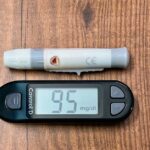
For most adults, a fasting blood sugar between 70 and 99 mg/dL is considered normal. Clinical guidelines generally define hypoglycemia in people without diabetes as a blood glucose reading below 70 mg/dL, paired with symptoms. The number alone is not the whole story. How you feel and whether the reading matches your symptoms both count.
This is where a lot of self-diagnosis goes wrong. A person checks their glucose, sees 82 mg/dL, and assumes they are hypoglycemic because they feel unwell. That reading is normal. Symptoms like shakiness, sweating, and a racing heart can come from other causes, including anxiety, caffeine, and thyroid issues. The only way to know is to measure glucose during a symptomatic episode, ideally with a clinician involved.
What Causes the Drop After a Meal?
Several factors can push blood sugar down faster than expected after eating. They often overlap.
- High-glycemic meals. Foods that digest quickly, like white bread, sugary drinks, and refined starches, raise blood sugar fast. That can trigger a larger insulin response and a sharper dip afterward.
- Eating carbohydrate alone. A meal with little protein, fat, or fiber empties from the stomach quickly and hits the bloodstream all at once.
- Insulin sensitivity. Some people respond to insulin strongly, so a normal amount pulls glucose down more than usual.
- Alcohol with food. Alcohol can blunt the liver’s release of glucose, which is one of the body’s main defenses against a drop.
- Stomach surgery. After certain gastric surgeries, food reaches the intestine very fast, which can cause a pronounced insulin surge. This is a recognized medical condition and needs clinical care.
- Rare enzyme and hormone conditions. These are uncommon and are diagnosed by a doctor, not assumed.
The high-glycemic meal is the most common trigger in everyday life. It is also the one most within your control.



Which Symptoms Actually Point to a Dip?
Symptoms of low blood sugar fall into two groups. The first is caused by epinephrine, the body’s alarm hormone. That includes shakiness, sweating, a pounding or fast heartbeat, nervousness, and hunger. The second is caused by the brain not getting enough glucose, which can bring confusion, trouble concentrating, irritability, and in more serious cases, blurred vision or fainting.
Mild symptoms after a meal are usually the first group. They feel alarming but tend to resolve. Symptoms from the second group are a reason to seek medical care, especially if they are severe or keep happening. Do not treat a fainting episode or confusion as something to manage at home.
How Is It Told Apart From Other Problems?
Because the symptoms overlap with many conditions, a doctor’s evaluation matters. A clinician may ask you to record what you eat, when symptoms strike, and what your glucose reads at that moment. A common approach is to confirm that glucose is genuinely low during symptoms, then look for the cause.
Conditions that can mimic a post-meal dip include anxiety, an overactive thyroid, heart rhythm problems, and the effects of too much caffeine. In people with diabetes, low blood sugar is often related to medication, not to the meal itself, and that is a different situation with different guidance. If you take insulin or a sulfonylurea and feel low, follow your care plan and treat it as directed by your clinician.
What Helps Prevent a Post-Meal Dip?
The most reliable steps focus on slowing how fast glucose enters the blood. Pairing carbohydrate with protein, fat, or fiber is the standard approach. Fiber and fat slow digestion, and protein supports steadier glucose. Choosing whole grains, beans, and vegetables over refined starches tends to produce a gentler curve.
Eating smaller, more frequent meals instead of one large carbohydrate-heavy meal is often suggested. So is limiting alcohol, especially on an empty stomach. Regular physical activity supports overall glucose control, though intense exercise can lower blood sugar on its own in some people.
If symptoms are frequent or disruptive, see a clinician rather than adjusting your diet endlessly on your own. Some cases need testing to rule out other causes. There is no single diet that works for everyone, and the evidence for specific supplement or food “fixes” is limited. Be cautious of products marketed to “balance blood sugar” — most have not been tested in large human trials for this problem.
When Should You Get Medical Help?
Seek care if low blood sugar symptoms cause confusion, fainting, or seizures, or if you cannot bring your glucose up. Also get evaluated if episodes are becoming more frequent, more severe, or happening without a clear trigger. These patterns deserve a proper workup.
If you have diabetes and take glucose-lowering medication, low blood sugar is a medical concern that needs a plan from your care team. Do not change doses on your own. For everyone else, occasional mild shakiness after a heavy carbohydrate meal is usually not dangerous, but it is worth understanding rather than ignoring.
Frequently Asked Questions
Is it normal for blood sugar to drop after eating?
A mild dip after a high-carbohydrate meal can happen in healthy people because of a normal insulin response. It is usually short-lived and not a sign of disease.
What is reactive hypoglycemia?
It is a drop in blood sugar that occurs within a few hours after eating, generally defined as a glucose reading below 70 mg/dL with symptoms in people without diabetes. True cases are less common than many people assume.
What foods help stop blood sugar dropping after eating?
Foods high in fiber, protein, and healthy fat slow digestion and steady glucose. Pairing them with carbohydrate instead of eating carbohydrate alone is the standard approach.
When should I see a doctor about low blood sugar after meals?
See a clinician if episodes cause confusion or fainting, keep getting worse, or happen without a clear trigger. If you take diabetes medication, any low blood sugar should be discussed with your care team.
