
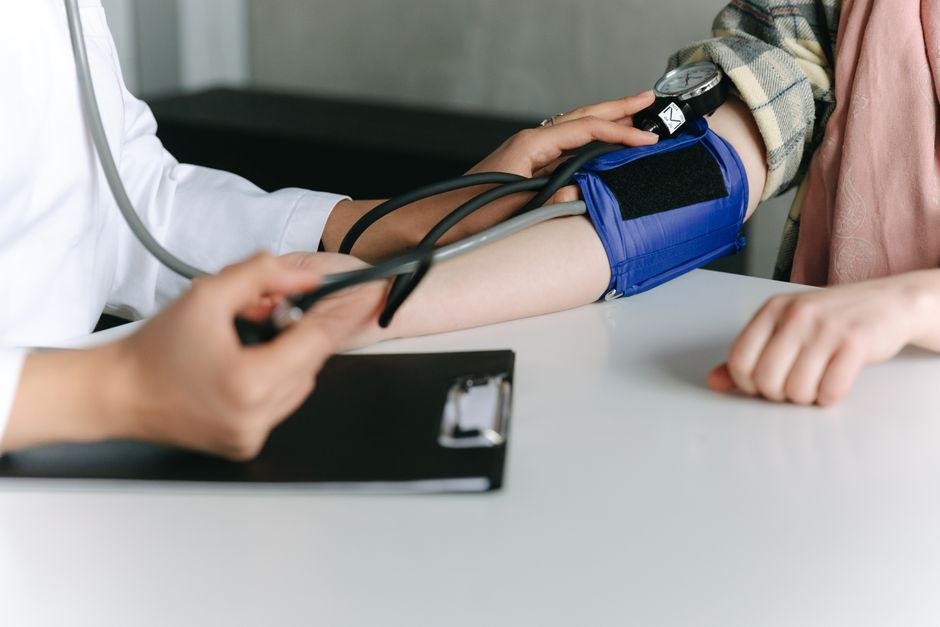
Blood pressure rises when the forces pushing blood against artery walls get stronger, or when the arteries themselves become narrower and stiffer. That can happen for a single moment, like during a sudden scare, or it can build slowly over years through changes in the heart, blood vessels, kidneys, and hormones. Most cases of ongoing high blood pressure have no single cause — they come from several of these changes stacking up over time.
What Actually Causes Blood Pressure to Increase?
Blood pressure is the product of two things: how much blood the heart pumps out, and how much resistance the arteries put up against that flow. Anything that raises either one raises your reading.
Cardiac output is the volume of blood your heart pushes out each minute. Resistance comes from the width and flexibility of your arteries. When arteries stay wide and relaxed, blood moves easily and pressure stays lower. When they tighten or stiffen, the heart has to push harder to move the same amount of blood.
Several systems control this balance:
- The sympathetic nervous system, which tightens blood vessels and speeds the heart
- The kidneys, which control how much fluid and sodium stay in the body
- Hormones like angiotensin II and aldosterone, which raise blood pressure when the body senses low flow
- The lining of the arteries, which releases signaling molecules that relax or tighten vessel walls
In most adults with high blood pressure, no single one of these systems is clearly broken. Instead, small shifts across several of them combine. This is why doctors call it “primary” or “essential” hypertension — it means the cause is not one identifiable defect but a gradual drift in how the whole system regulates pressure.
About 1 in 20 cases have a more specific cause, which doctors call secondary hypertension. These cases often involve the kidneys, certain hormone-producing glands, or specific medications.
Why Does Blood Pressure Increase With Age?
Arteries stiffen as people get older. That stiffening is the main reason average blood pressure climbs with age, even in people who do everything right.
Large arteries like the aorta normally stretch with each heartbeat and then recoil. That elastic recoil helps smooth out the pressure wave and keeps pressure lower between beats. Over decades, the elastic fibers in artery walls fragment and are replaced with stiffer collagen. The result is a vessel that no longer cushions the surge from each heartbeat.
This shows up in a specific pattern. Systolic pressure — the top number — tends to rise steadily across adulthood. Diastolic pressure — the bottom number — often rises until around midlife and then levels off or even falls. That is why isolated systolic hypertension, where only the top number is high, becomes more common after age 60.
Arterial stiffening is not entirely unavoidable. Smoking, long-standing high blood sugar, and chronic kidney disease all accelerate it. But some stiffening happens with normal aging in everyone, which is one reason blood pressure tends to creep upward even without obvious lifestyle changes.
How Do Lifestyle Factors Raise Blood Pressure?
Lifestyle factors raise blood pressure by changing the same systems that regulate it day to day. The effect of any single factor is usually modest. The effect of several together can be substantial.
Sodium intake. Eating more sodium than the body needs makes the kidneys retain fluid, which raises blood volume. It can also stiffen the lining of arteries over time. The response varies a lot between people — some are far more sodium-sensitive than others. Current US dietary guidance recommends keeping sodium under 2,300 mg per day for most adults, and the American Heart Association suggests an ideal limit closer to 1,500 mg per day, especially for people with existing high blood pressure.
Alcohol. Drinking regularly above moderate levels raises blood pressure. For men, moderate generally means up to two drinks per day; for women, up to one. Cutting back often lowers readings within weeks.
Weight. Extra body fat, especially around the abdomen, is linked to higher blood pressure through several pathways, including insulin resistance and activation of the sympathetic nervous system. Losing weight tends to lower blood pressure, though how much varies by person.
Physical inactivity. Regular aerobic activity helps keep blood vessels flexible and lowers resting blood pressure. The effect is real but usually modest on its own — a few points, not a dramatic drop.
Smoking. Nicotine raises blood pressure acutely with each cigarette. Over time, smoking damages artery linings and accelerates stiffening. Quitting is one of the most reliable ways to reduce long-term cardiovascular risk.
Stress. Short-term stress clearly raises blood pressure. Whether chronic stress alone causes lasting hypertension is less clear. The evidence suggests it contributes, especially when stress drives other habits like poor sleep, heavy drinking, or overeating.
Sleep. Poor sleep and sleep apnea are strongly linked to high blood pressure. Sleep apnea in particular can drive resistant hypertension — high blood pressure that stays high despite multiple medications.

Can a Medical Condition or Medication Cause High Blood Pressure?
Yes. When high blood pressure appears suddenly, is very severe, or does not respond to standard treatment, doctors look for a secondary cause.
Common secondary causes include:
- Kidney disease. Damaged or narrowed kidneys can trigger hormone signals that raise blood pressure.
- Renal artery stenosis. Narrowing of the arteries that supply the kidneys.
- Primary aldosteronism. Overproduction of the hormone aldosterone by the adrenal glands.
- Pheochromocytoma. A rare tumor that releases adrenaline-like hormones.
- Thyroid disorders. Both overactive and underactive thyroid can affect blood pressure.
- Obstructive sleep apnea. Repeated pauses in breathing during sleep raise blood pressure through surges in sympathetic activity.
Several medications and substances can also raise blood pressure. These include nonsteroidal anti-inflammatory drugs (NSAIDs), some decongestants, certain antidepressants, oral contraceptives, corticosteroids, and stimulants including caffeine in large amounts. Illicit stimulants like cocaine and methamphetamine raise blood pressure sharply and can cause dangerous spikes.
If a medication is suspected, a doctor may adjust the dose or switch to a different drug. Never stop a prescribed medication without talking to your doctor first.
What Is the Difference Between Primary and Secondary Hypertension?
Primary hypertension has no single identifiable cause. Secondary hypertension has a specific, often correctable one.
| Feature | Primary Hypertension | Secondary Hypertension |
|---|---|---|
| Share of cases | About 90–95% | About 5–10% |
| Typical onset | Gradual, often after age 30 | Can be sudden, at any age |
| Common causes | Age, genetics, lifestyle | Kidney disease, hormone disorders, medications |
| Response to treatment | Often responds to lifestyle and standard drugs | May improve when the underlying cause is treated |
The distinction matters because secondary causes sometimes have specific treatments. For example, removing a narrowed renal artery or treating a hormone-producing tumor can lower blood pressure or even resolve it. Primary hypertension is managed rather than cured.
Why Does Blood Pressure Spike Suddenly?
Sudden spikes are usually short-lived and driven by the sympathetic nervous system. That is the fight-or-flight branch that tightens blood vessels and speeds the heart.
Common triggers include:
- Acute pain or injury
- Emotional stress or panic
- Physical exertion, especially heavy lifting
- Caffeine or other stimulants
- Certain medications, including some cold remedies
- Missed doses of blood pressure medication
- Bladder distension or a full bowel
These spikes are usually temporary. A reading taken during stress does not mean you have chronic high blood pressure. That diagnosis requires repeated elevated readings over time, ideally confirmed with measurements taken at home or with a 24-hour monitor.
A very high reading — generally above 180/120 mm Hg — with symptoms like chest pain, shortness of breath, severe headache, vision changes, or weakness is a medical emergency. Call 911 or go to an emergency room. Do not wait to see if it comes down on its own.
Does Genetics Play a Role in High Blood Pressure?
Genetics clearly contribute, but they are not destiny. Having a parent or sibling with high blood pressure raises your own risk, and researchers have identified many gene variants linked to blood pressure regulation.
The effect of any single gene variant is small. What matters is the combined genetic tendency plus environment. Two people with similar genetic risk can end up with very different blood pressure depending on diet, activity, weight, sleep, and stress.
Family history is worth knowing because it can prompt earlier screening. It does not mean high blood pressure is unavoidable. Many people with strong family histories keep their blood pressure in a healthy range through lifestyle and, when needed, medication.
Frequently Asked Questions
Can high blood pressure happen without any symptoms?
Yes. Most people with high blood pressure feel completely normal, which is why it is often called a silent condition. The only reliable way to know your numbers is to have them measured.
Does stress alone cause chronic high blood pressure?
Short-term stress clearly raises blood pressure, but whether chronic stress by itself causes lasting hypertension is less certain. The evidence suggests it contributes mainly by driving other risk factors like poor sleep, heavy drinking, and overeating.
At what age does blood pressure usually start to rise?
Systolic pressure tends to rise gradually starting in early adulthood and continues climbing across the lifespan. Diastolic pressure often rises until around midlife and then levels off or falls.
Can losing weight really lower blood pressure?
Yes, weight loss tends to lower blood pressure, though how much varies from person to person. The effect is generally modest but meaningful, especially when combined with other lifestyle changes.
