
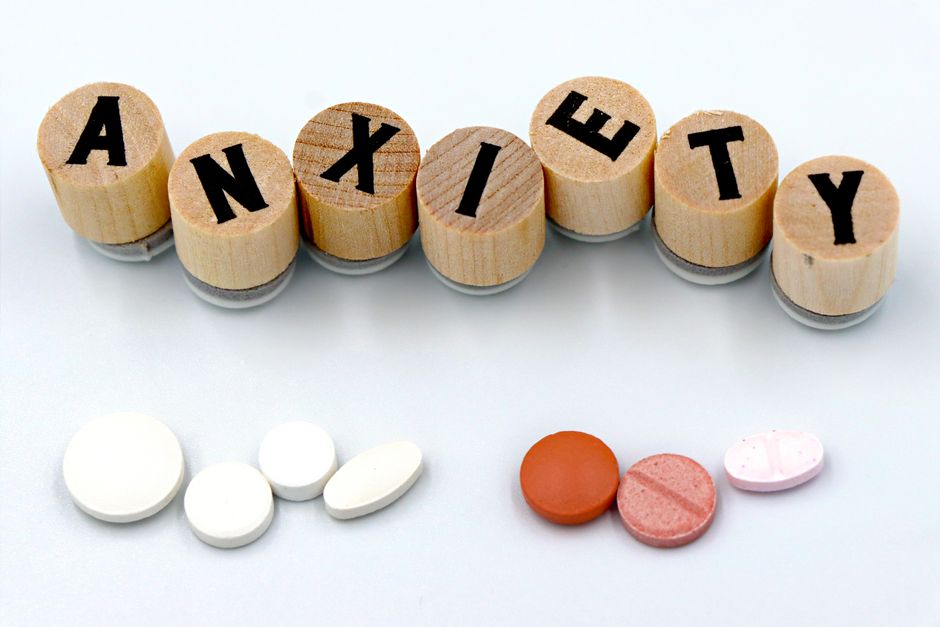
An anxiety attack happens when your brain’s alarm system fires without a real threat, flooding your body with stress hormones that trigger sudden, intense physical and emotional symptoms. This response is a misfire of your body’s built-in survival mechanism, not a sign of weakness or something wrong with your character. Understanding this basic fact is the first step toward managing the experience and reducing the fear that often surrounds it.
What Exactly Is an Anxiety Attack?
An anxiety attack is a sudden episode of intense fear or discomfort that peaks within minutes. The term is used loosely in everyday conversation, but medically, it often overlaps with what clinicians call a panic attack. The experience is deeply physical. Your heart may race, your chest may tighten, and you might feel like you cannot catch your breath.
These episodes are distinct from general anxiety. General anxiety is a low-level, ongoing worry. An anxiety attack is an acute spike. It comes on fast, feels overwhelming, and usually fades within 10 to 20 minutes, though the aftermath can leave you exhausted for hours.
Not everyone who has an anxiety attack has an anxiety disorder. A single episode can be triggered by a specific stressful event, like a job interview or a conflict with a loved one. For others, attacks happen without any obvious trigger at all.
Why Does Anxiety Attack Happen in the Body?
The physical experience of an anxiety attack is driven by your autonomic nervous system, specifically the sympathetic branch. This is the part of your nervous system responsible for the fight-or-flight response. When your brain perceives a threat, it signals your adrenal glands to release adrenaline and cortisol.
These hormones cause immediate physical changes. Your heart rate increases to pump more blood to your muscles. Your breathing quickens to take in more oxygen. Your pupils dilate to improve vision. Digestion slows down because it is not a priority during an emergency. All of these changes are designed to help you fight or flee from danger.
During an anxiety attack, this system activates even though there is no physical threat. Your brain misinterprets an internal sensation, a thought, or an external situation as dangerous. The resulting surge of hormones creates the physical symptoms you feel. The feeling of being unable to breathe is often caused by hyperventilation, which is breathing too fast and expelling too much carbon dioxide.
This mechanism is well documented. It is the same system that keeps you safe when you cross a busy street or react to a sudden loud noise. The problem is not the system itself. The problem is that it activates at the wrong time.
Common Triggers That Cause an Attack
Triggers vary widely from person to person. What causes an attack in one person may not affect another at all. However, some patterns are common.
Stressful life events are a major trigger. The death of a loved one, a divorce, losing a job, or moving to a new city can all push your stress system past its limit. Even positive events, like getting married or having a baby, can be triggers because they involve significant change and responsibility.
Specific phobias are another common cause. If you have a phobia of flying, being on an airplane can trigger an attack. If you are afraid of needles, a blood test can do the same. The attack is the phobia’s physical expression.
Substance use can also play a role. Caffeine, nicotine, and stimulant medications can all increase your baseline level of arousal. At high doses, or in sensitive individuals, these substances can tip the nervous system into an attack. Withdrawal from alcohol or sedatives can have the same effect.
Situational avoidance matters too. If you have had an attack in a particular place, like a crowded store or a highway, your brain may associate that environment with danger. Simply being in a similar place can then trigger another attack. This is how panic can become connected to specific locations or activities.



Difference Between Anxiety Attacks and Panic Attacks
The terms anxiety attack and panic attack are often used interchangeably, but there is a clinical distinction. Panic attack is a defined diagnostic term. It appears in the Diagnostic and Statistical Manual of Mental Disorders with specific criteria.
A panic attack involves a sudden surge of intense fear or discomfort that peaks within minutes. During this time, you may experience palpitations, sweating, trembling, shortness of breath, chest pain, nausea, dizziness, chills or heat sensations, numbness, feelings of unreality, fear of losing control, or fear of dying. A diagnosis of panic attack requires at least four of these symptoms.
Anxiety attack is not a formal diagnostic term. It is a description people use for a less specific experience of intense anxiety. It may build more gradually and be less severe than a full panic attack. It can last longer because it is often tied to a persistent worry rather than a sudden surge.
For practical purposes, the distinction matters less than the experience. If you are having episodes of intense fear that interfere with your life, the treatment approach is similar regardless of which label you use.
When to Seek Professional Help
Occasional anxiety attacks are distressing but not always a sign of a serious condition. However, you should seek professional evaluation if the attacks are frequent, if you constantly worry about having another one, or if you are changing your behavior to avoid triggering situations.
These signs may point to an anxiety disorder or panic disorder. Both are highly treatable conditions. Cognitive behavioral therapy has strong evidence supporting its effectiveness for these conditions. It helps you identify the thought patterns that trigger attacks and teaches you skills to respond differently.
Medication is another option. Selective serotonin reuptake inhibitors are commonly prescribed for anxiety disorders. They are not fast-acting. They typically take several weeks to reach full effect. Some clinicians also prescribe short-acting medications for immediate relief during an attack, but these carry risks of dependence and are not considered a long-term solution.
If you are experiencing chest pain, especially if you have risk factors for heart disease, do not assume it is anxiety. Get evaluated by a medical professional to rule out cardiac causes. Anxiety attacks can cause chest tightness, but so can heart problems. It is safer to check.
What to Do When an Attack Starts
When an attack begins, the instinct is often to fight it. This usually makes things worse. A more effective approach is to ride it out while using grounding techniques.
Slow your breathing. Inhale through your nose for a count of four, hold for a moment, and exhale slowly through your mouth. This helps counteract hyperventilation and signals to your nervous system that you are safe. The exhale is the most important part. Make it longer than the inhale.
Ground yourself physically. Press your feet into the floor. Notice the sensation of your back against a chair. Touch something with a distinct texture. These physical sensations pull your attention away from the internal alarm and anchor you in the present moment.
Name what is happening. Say to yourself, “This is an anxiety attack. It is uncomfortable, but it is not dangerous. It will pass.” This simple labeling activates the prefrontal cortex, the reasoning part of your brain, which can help dial down the amygdala’s alarm response.
Avoid leaving the situation immediately if you can. Leaving reinforces the brain’s belief that the situation is dangerous. If you stay and the attack passes, your brain learns that the situation was not a real threat. This is how exposure works in therapy. It is hard in the moment, but it reduces the frequency of future attacks.
Long-Term Strategies to Reduce Attacks
Managing anxiety attacks is not just about handling the moment. It is about reducing how often they happen in the first place. This requires addressing the underlying patterns that make your nervous system hyperreactive.
Regular physical activity is one of the most effective strategies. Exercise burns off excess stress hormones and increases endorphins, which improve mood. It also provides a healthy outlet for the physical energy that anxiety creates. Studies consistently show that regular aerobic exercise reduces anxiety symptoms.
Sleep matters deeply. Sleep deprivation raises baseline cortisol levels and makes you more reactive to stress. Most adults need seven to nine hours per night. If anxiety is interfering with your sleep, addressing that is a priority. Poor sleep and anxiety feed each other in a cycle.
Caffeine reduction helps many people. Caffeine mimics the physical symptoms of anxiety, including a racing heart and jitteriness. If your nervous system is already on edge, caffeine can push it over the threshold. Some people are highly sensitive to caffeine and need to eliminate it entirely.
Mindfulness practice has accumulated solid evidence for anxiety reduction. It trains you to observe your thoughts and bodily sensations without judging them as dangerous. This is the opposite of the catastrophic thinking that fuels attacks. Even a few minutes of daily practice can change how you relate to anxious feelings.
Alcohol is a tricky one. It can temporarily reduce anxiety, but the rebound effect is real. As alcohol leaves your system, anxiety often spikes higher than before. Using alcohol to manage anxiety is a pattern that tends to worsen the problem over time.
Frequently Asked Questions
Can an anxiety attack happen without a trigger?
Yes, this is common and is a hallmark of panic disorder. Attacks can occur during sleep, at rest, or at completely random moments.
How long does an anxiety attack last?
Most attacks peak within 10 minutes and resolve within 20 to 30 minutes, though lingering fatigue may last for hours afterward.
Can anxiety attacks cause heart damage?
No, an anxiety attack itself does not damage the heart, even though chest pain and a racing heart can feel alarming during the episode.
What is the fastest way to stop an anxiety attack?
Slow, extended exhales are the fastest way to signal your nervous system to calm down, combined with grounding your attention in physical sensations.
