
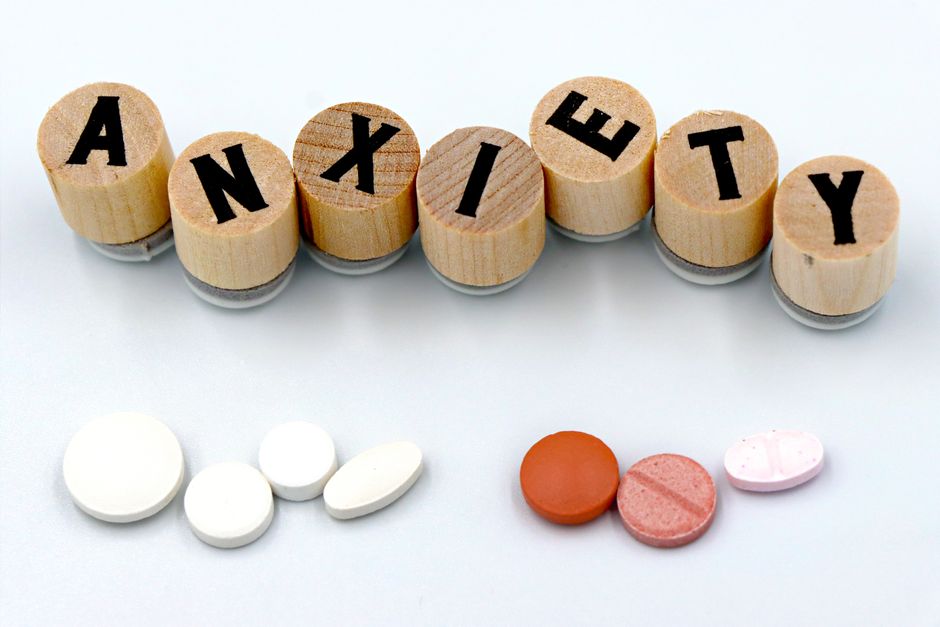
An anxiety attack can feel overwhelming, but you can take steps to get through it. The most effective approach combines grounding techniques to calm your body’s alarm system, slow breathing to signal safety, and accepting the experience rather than fighting it. These strategies work best when you practice them before you need them, so your brain recognizes them as familiar tools during a crisis.
What Does an Anxiety Attack Actually Feel Like?
An anxiety attack is a sudden wave of intense fear or discomfort that peaks within minutes. Your heart may race, your chest can feel tight, and you might sweat, tremble, or feel dizzy. Many people describe a sense of unreality or a fear that something terrible is about to happen.
These physical symptoms are real, not imagined. Your body’s stress response activates, flooding your system with adrenaline. This is the same “fight or flight” reaction that helps you react to danger. During an anxiety attack, that response fires when there is no actual physical threat.
It is important to know that anxiety attacks are not dangerous. The symptoms are uncomfortable but not harmful. Understanding this can be the first step toward managing an attack when it happens.
What is the Fastest Way to Get Out of a Anxiety Attack?
There is no single method that works for everyone, but slow breathing is one of the most reliable ways to calm your nervous system. When you breathe slowly and deeply, you activate the parasympathetic nervous system, which helps your body return to a resting state.
Try this technique: breathe in through your nose for four counts, hold for a moment, then exhale slowly through your mouth for six counts. The longer exhale is key. It triggers a relaxation response that can reduce your heart rate and lower your blood pressure.
Another fast approach is the 5-4-3-2-1 grounding technique. Name five things you can see, four things you can touch, three things you can hear, two things you can smell, and one thing you can taste. This method pulls your attention away from internal worry and anchors it in the present moment.
Why Does Grounding Work During an Anxiety Attack?
Grounding techniques work because they interrupt the cycle of anxious thoughts. During an attack, your mind races with catastrophic predictions. Your attention narrows to the threat, real or imagined. Grounding forces your brain to process sensory information instead of fear-based thoughts.
Think of it as changing the channel in your brain. You cannot focus on five things you see and simultaneously replay every worst-case scenario. The sensory input takes up mental space that anxiety was occupying.
Cold water can also help. Splashing cold water on your face or holding an ice cube triggers the dive reflex, which slows your heart rate. This is a physiological response, not a psychological trick. It works because your body prioritizes survival responses over panic responses.





What Should You Not Do During an Anxiety Attack?
Avoid fighting the attack. Trying to suppress the symptoms often makes them worse. When you resist the feeling, your body perceives more danger and releases more adrenaline. The attack becomes a battle you cannot win by force.
Do not try to “figure out” why you are having the attack in that moment. Your analytical brain is not helpful during a panic response. Save that investigation for later when you are calm. During the attack, your job is simply to ride it out.
Avoid checking your pulse repeatedly or searching for symptoms online. This behavior feeds the anxiety loop. It reinforces the belief that something is physically wrong when anxiety attacks are a known, non-dangerous condition.
Also, avoid caffeine and alcohol during this period. Both can trigger or worsen anxiety symptoms. If you have just had an attack, water is the best choice.
How Long Does an Anxiety Attack Last?
Most anxiety attacks peak within 10 minutes and resolve within 20 to 30 minutes. The symptoms do not last forever, even though it feels like they will in the moment. Knowing this timeline can help you tolerate the discomfort.
Some people experience waves of anxiety after the initial peak. These waves may come and go for an hour or more. This is normal. The body’s stress response takes time to fully shut down after being activated.
If your symptoms last longer than an hour or are accompanied by severe chest pain, difficulty breathing, or fainting, seek medical attention. These symptoms can overlap with other medical conditions. It is always appropriate to get checked if you are unsure.
What Breathing Techniques Actually Stop an Anxiety Attack?
Box breathing is a technique used by military personnel and first responders. Breathe in for four counts, hold for four counts, exhale for four counts, and hold again for four counts. Repeat this cycle several times. It creates a steady rhythm that calms the nervous system.
Diaphragmatic breathing is another effective method. Place one hand on your chest and one on your belly. Breathe in so that your belly rises more than your chest. This ensures you are using your diaphragm, which triggers a stronger relaxation response than shallow chest breathing.
You can also try the physiological sigh, which research suggests is one of the fastest ways to reduce stress. Take two quick inhales through your nose, then one long exhale through your mouth. This technique has been studied and shows measurable effects on reducing stress levels.
How to Get Out of a Anxiety Attack When You Are Alone
Being alone during an anxiety attack can feel more frightening because there is no one to reassure you. This is when having a written plan helps. Write down your go-to techniques on your phone or a card you carry. When the attack starts, you do not have to think. You just follow the plan.
Calling someone you trust can help, even if you just ask them to talk about something ordinary. Hearing a familiar voice can be grounding. You do not have to explain the anxiety attack in detail. Simply saying “I am having a hard moment, can you talk to me” is enough.
Physical movement can also help when you are alone. Walk around the room, stretch your arms overhead, or do a few gentle squats. Movement uses up some of the adrenaline your body released. It tells your brain that you are taking action, which can reduce the sense of helplessness.
When Should You Seek Professional Help for Anxiety Attacks?
Occasional anxiety attacks are common. But if they happen regularly, interfere with your daily life, or cause you to avoid certain situations, it is time to talk to a professional. Cognitive behavioral therapy has strong evidence for treating anxiety disorders and panic attacks.
Your primary care doctor is a good place to start. They can rule out medical conditions that mimic anxiety symptoms, such as thyroid problems or heart rhythm issues. They can also refer you to a mental health specialist if needed.
Medication is an option for some people. Antidepressants and anti-anxiety medications can be effective, but they require a prescription and careful monitoring. They are not a first-line response to a single attack. They are a treatment for an ongoing condition.
There is no shame in seeking help. Anxiety attacks are a recognized medical condition, not a personal weakness. Getting professional support is a practical step toward reducing their frequency and impact.
Can You Prevent Future Anxiety Attacks?
You cannot prevent every anxiety attack, but you can reduce how often they happen. Regular exercise, consistent sleep, and limiting caffeine all help stabilize your mood. These habits build resilience over time.
Learning to notice early warning signs is also useful. Many people experience subtle symptoms before a full attack, such as increased heart rate, shallow breathing, or a sense of restlessness. Catching these early signs gives you a chance to use calming techniques before the attack peaks.
Avoiding anxiety is not the goal. Avoiding triggers can actually make anxiety worse over time. The more you avoid, the more your brain learns that the situation is dangerous. Gradual, supported exposure to feared situations is a key part of treatment for anxiety disorders.
Frequently Asked Questions
Can you stop an anxiety attack once it starts?
You can reduce its intensity and shorten its duration, but you cannot instantly switch it off. Breathing techniques and grounding methods help your body return to a calm state faster than waiting for it to pass on its own.
Is it safe to be alone during an anxiety attack?
Yes, anxiety attacks are not medically dangerous. Having a support person can help some people, but many people manage attacks effectively on their own using grounding and breathing techniques.
What is the difference between an anxiety attack and a panic attack?
Anxiety attacks are not a formal medical diagnosis, while panic attacks are defined in diagnostic manuals. Panic attacks are typically sudden and intense, while anxiety can build gradually. Both involve similar symptoms and respond to similar coping techniques.
Should I go to the emergency room for an anxiety attack?
Most anxiety attacks do not require emergency care. Go to an emergency room if you have severe chest pain, difficulty breathing, fainting, or symptoms that do not improve. These can be signs of a heart problem or other medical condition that needs evaluation.
