
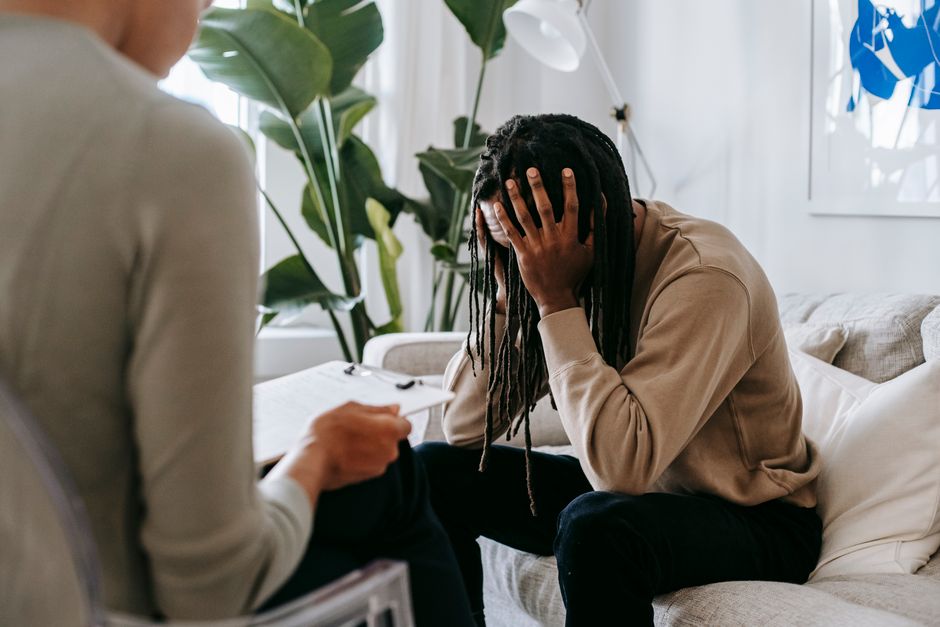
An anxiety attack can feel overwhelming, but it will pass. The fastest way to come down is to slow your breathing, ground yourself in the present moment, and remind yourself that these physical sensations are temporary. While the feeling is intense, it is not dangerous, and there are simple techniques you can use right now to help your body and mind settle back to a calmer state.
What Exactly Happens During an Anxiety Attack?
An anxiety attack is a sudden surge of intense fear or discomfort that peaks within minutes. Your body’s natural alarm system, the fight-or-flight response, kicks in even though there is no physical threat. This is a normal biological reaction designed to protect you from danger.
During this response, your brain signals your adrenal glands to release hormones like adrenaline and cortisol. These hormones increase your heart rate, quicken your breathing, and redirect blood flow to your muscles. That is why you might feel your heart pounding, your chest tightening, or your hands shaking. These symptoms are uncomfortable but not harmful.
Understanding this mechanism is the first step. When you recognize that the symptoms are just a wave of adrenaline, it becomes easier to let the wave pass instead of fighting it.
How to Come Down from an Anxiety Attack Fast
The most effective way to come down from an anxiety attack is to activate your body’s relaxation response. This is the opposite of the fight-or-flight response. You can do this by changing your breathing pattern, which sends a direct signal to your brain to calm down.
Try this simple breathing technique. Breathe in slowly through your nose for a count of four. Hold your breath for a count of four. Then exhale slowly through your mouth for a count of six or eight. The key is to make your exhale longer than your inhale. This longer exhale slows your heart rate and tells your nervous system that you are safe.
Repeat this cycle for several minutes. You may not feel completely calm after the first breath, but each cycle helps lower your physical arousal level. Stick with it even if your mind is racing. Your breathing is the one part of the stress response you can control directly.
Grounding Techniques to Stop the Panic Spiral
Anxiety attacks often pull your attention into catastrophic thoughts. You might think you are having a heart attack, losing control, or going crazy. Grounding techniques bring your focus back to the present moment and away from those frightening thoughts.
The 5-4-3-2-1 method is a widely used grounding exercise. Look around and name five things you can see. Then name four things you can touch. Next, name three things you can hear. Then two things you can smell. Finally, name one thing you can taste. This exercise forces your brain to process sensory information from your environment, which interrupts the panic spiral.
Another simple grounding technique is to hold something cold. Run cold water over your hands or hold an ice cube. The sudden change in temperature shifts your brain’s attention from internal distress to external sensation. This is not a cure, but it can give you enough of a pause to start using your breathing techniques.




What Not to Do During an Anxiety Attack
Knowing what to avoid is just as important as knowing what to do. Some common reactions can actually make an anxiety attack last longer or feel worse.
- Do not fight the feeling. Struggling against the anxiety often increases it. Instead, acknowledge it and let it pass.
- Do not check your pulse repeatedly. Reassurance seeking can feed the anxiety cycle. Checking your heart rate over and over only keeps your focus on the physical symptoms.
- Do not drink caffeine. Caffeine is a stimulant that can increase your heart rate and mimic anxiety symptoms. Water is a better choice.
- Do not isolate without support. If there is someone you trust nearby, tell them you are having an anxiety attack. Simply saying the words out loud can reduce their power.
Some people find that leaving the situation helps. If you are in a crowded or noisy place, moving to a quieter spot can reduce sensory overload. This is not avoidance; it is reducing stimulation while your nervous system calms down.
When to Seek Professional Help
Anxiety attacks are treatable. If they happen regularly, or if you live in constant fear of having another one, it is worth talking to a healthcare provider. You do not have to manage this alone.
There is a difference between occasional anxiety and an anxiety disorder. Occasional anxiety attacks are common and often linked to specific stressors. An anxiety disorder involves persistent, excessive worry that interferes with daily life. A doctor or mental health professional can help you tell the difference.
Treatment options include therapy and medication. Cognitive behavioral therapy, or CBT, is a well-established approach. It helps you identify and change thought patterns that contribute to anxiety. Some medications can help manage symptoms, but they take time to work and are not a quick fix for an acute attack. Discuss these options with your doctor to find what fits your situation.
Seek immediate medical help if your symptoms feel different from your usual anxiety attacks. Chest pain, especially with shortness of breath, pain in your arm or jaw, or dizziness, can be signs of a heart problem. It is always safer to have a doctor rule out physical causes if you are unsure.
Long-Term Strategies to Reduce Anxiety Attacks
Coming down from an anxiety attack is one skill. Reducing how often they happen is another. Long-term strategies focus on building your nervous system’s resilience over time.
Regular physical activity is one of the most consistent ways to manage anxiety. Exercise burns off stress hormones and produces endorphins, which are natural mood elevators. This does not mean intense workouts. A daily walk, swimming, or yoga can be enough to make a difference.
Sleep is also critical. Poor sleep increases emotional reactivity and makes you more vulnerable to stress. Aim for a consistent sleep schedule where you get seven to nine hours of rest. If anxiety keeps you awake at night, a consistent wind-down routine can help signal your body that it is time to rest.
Limiting alcohol and caffeine can also help. Alcohol may seem relaxing at first, but it can disrupt sleep and increase anxiety as it wears off. Caffeine can trigger physical symptoms that mimic anxiety. Reducing both can lower your baseline level of nervous system arousal.
Mindfulness practice is another approach with growing evidence behind it. Regular mindfulness meditation trains your brain to observe thoughts without getting caught up in them. This does not mean you will never feel anxious again. It means you will be better equipped to let anxious thoughts pass without spiraling.
Frequently Asked Questions
How long does an anxiety attack usually last?
Most anxiety attacks peak within about 10 minutes and resolve within 20 to 30 minutes. The physical symptoms may take longer to fully settle if you are in a stressful environment.
Can you breathe too much during an anxiety attack?
Yes, rapid shallow breathing can lead to hyperventilation, which lowers carbon dioxide levels in your blood and can cause dizziness or tingling in your hands and feet. Slow, controlled breathing with a longer exhale helps prevent this.
Is it safe to be alone during an anxiety attack?
Anxiety attacks themselves are not dangerous, so being alone is generally safe. However, if you have any doubt about whether your symptoms are from anxiety or a medical condition, seek help.
Does drinking water help stop an anxiety attack?
Water does not directly stop an anxiety attack, but dehydration can worsen physical symptoms like a racing heart. Taking slow sips of water can also give you a simple physical action to focus on.
