
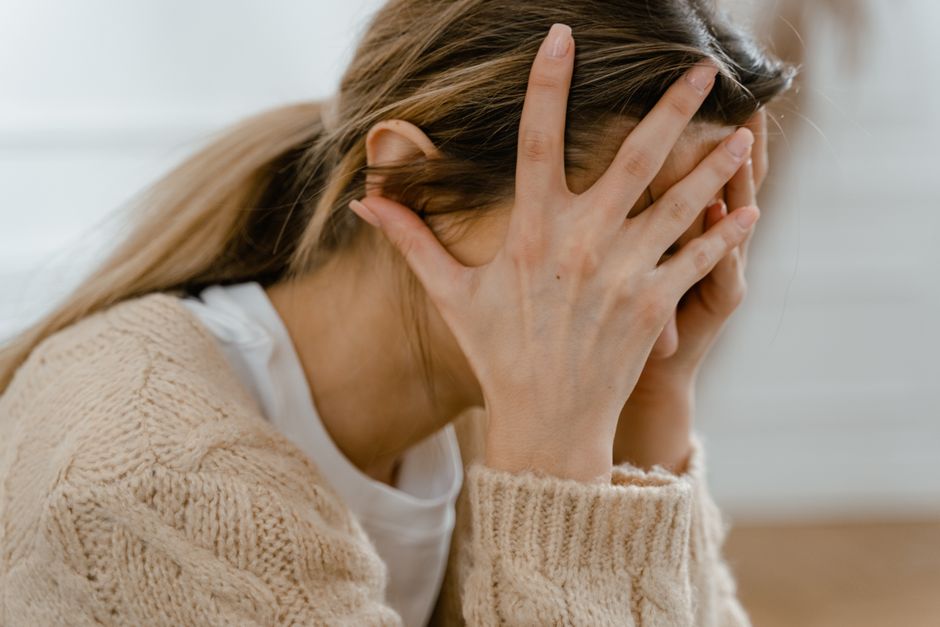
An anxiety attack does not end the moment your heart rate settles. Most people feel drained, shaky, and emotionally raw for hours or even days afterward. This recovery period is completely normal, and understanding what happens to your body and mind after the peak of panic passes can help you recover faster and feel less afraid of the next one.
How Do You Feel After An Anxiety Attack Whats Normal?
The immediate aftermath of an anxiety attack is often described as exhaustion mixed with relief. Your body just went through a massive surge of adrenaline and cortisol, the stress hormones that trigger your fight-or-flight response. When those chemicals wear off, your system crashes.
Feeling tired, weak, and emotionally fragile is the most common experience. Many people also report feeling detached from reality, a sensation called depersonalization or derealization. This can be frightening, but it is a known and temporary response to intense stress.
Physically, you may notice muscle soreness, especially in your chest, jaw, or shoulders. These muscles were tensed during the attack, sometimes for an extended period. Headaches, nausea, and a loss of appetite are also common in the hours after an attack.
Why Do You Feel Exhausted After an Anxiety Attack?
Your sympathetic nervous system, which controls the fight-or-flight response, was switched fully on during the attack. It released large amounts of adrenaline and cortisol to prepare your body to fight or flee a threat that did not actually exist.
Once your brain recognizes there is no danger, your parasympathetic nervous system takes over. This is the “rest and digest” system. The shift from full alert to full rest is abrupt and physically draining, similar to the exhaustion you feel after any intense physical exertion.
Your muscles were also working hard. Even if you stayed still, your body was prepared for action. Muscles in your neck, back, and chest remained contracted throughout the attack. That sustained tension consumes energy and leaves you sore afterward.
Research consistently shows that the brain uses significant glucose during periods of acute stress. This metabolic demand contributes to the heavy fatigue that follows. Your brain essentially ran a marathon in a few minutes, and now it needs time to recover.
How Long Does It Take to Recover From an Anxiety Attack?
There is no single timeline that applies to everyone. The acute symptoms of an anxiety attack usually peak within 10 minutes and resolve within 30 minutes. However, the recovery period is a separate phase that can last anywhere from a few hours to a few days.
Most people feel significantly better within 24 hours. Sleep helps a great deal. A full night of rest often resets the nervous system enough that the next day feels relatively normal.
For some people, especially those with frequent panic attacks, the recovery period can last longer. Lingering fatigue, low mood, and a sense of unease can persist for several days. This is more likely if the attack was severe or if multiple attacks occur close together.
If your symptoms do not improve after several days, or if you feel constantly on edge between attacks, it may be worth discussing this with a healthcare provider. Frequent attacks that leave you debilitated for days may indicate an anxiety disorder that could benefit from treatment.





Is It Normal to Feel Depressed After an Anxiety Attack?
Yes. A drop in mood after an anxiety attack is common and has a clear biological explanation. The same stress hormones that spiked during the attack also affect neurotransmitters like serotonin and dopamine, which regulate mood.
After the surge of adrenaline fades, many people experience a period of low mood or emotional flatness. You may feel like crying without knowing why, or you may feel emotionally numb. Both are normal responses to the intense emotional and physical experience you just went through.
There is also a psychological component. Anxiety attacks are frightening, and it is natural to feel discouraged or worried about when the next one might happen. This anticipatory anxiety can keep your mood low even after the physical symptoms have passed.
If the low mood persists for more than two weeks, or if you lose interest in activities you normally enjoy, this may be more than post-attack recovery. Depression and anxiety disorders frequently occur together, and both are highly treatable.
Why Do You Feel Dizzy or Disconnected After an Anxiety Attack?
Dizziness and a feeling of unreality are among the most unsettling post-attack symptoms. These occur because your brain is still processing the massive stress response that just happened.
During an anxiety attack, your breathing often becomes rapid and shallow. This can cause you to exhale too much carbon dioxide, which changes the pH balance of your blood. This condition, called respiratory alkalosis, can cause dizziness, tingling in the hands and feet, and lightheadedness that persists after the attack ends.
The feeling of being disconnected from your body or surroundings is called depersonalization or derealization. This is a protective mechanism. Your brain is essentially shielding itself from the intensity of the stress response by creating a sense of distance from the experience.
These sensations are temporary and not dangerous. However, they can be alarming if you do not understand them. Reminding yourself that this is a known physiological response, not a sign of something more serious, can help reduce the fear that makes the feeling worse.
What Helps You Recover After an Anxiety Attack?
Recovery is mostly about giving your body time and reducing additional stress. Your nervous system needs to reset, and there are several ways to support that process.
- Rest. Lie down if you can. Your body just expended significant energy, and rest allows your nervous system to return to baseline.
- Stay hydrated. The physical stress of an attack can leave you mildly dehydrated. Drinking water helps your body recover.
- Eat something light. Your blood sugar may be low after the attack. A small, balanced snack can help stabilize your energy.
- Breathe slowly. Slow, deep breathing from your diaphragm signals to your brain that the danger has passed. Inhale for four counts, hold for four, exhale for six.
- Avoid caffeine and alcohol. Both can stimulate your nervous system and prolong the recovery period.
Gentle movement, like a short walk, can also help. Light exercise releases endorphins and helps clear the residual stress hormones from your system. Do not push yourself into intense exercise immediately after an attack. Your body needs recovery time first.
Some clinicians recommend grounding techniques to help with feelings of disconnection. This involves focusing on your senses, such as naming five things you can see, four you can touch, three you can hear, two you can smell, and one you can taste. This practice is widely used and helps anchor you back to the present moment.
When Should You Seek Help for Anxiety Attacks?
Occasional anxiety attacks that resolve within a day are common and do not necessarily require professional treatment. However, there are clear signs that professional support would be beneficial.
If your attacks are frequent, occurring more than once a week, or if you are constantly worried about having another attack, this may be panic disorder. Panic disorder is a recognized medical condition with effective treatments, including cognitive behavioral therapy and, in some cases, medication.
Seek help if your attacks interfere with your daily life. This includes avoiding places or situations because you fear an attack, missing work or school, or being unable to leave your home.
Emergency medical attention is warranted if you experience chest pain that feels different from your usual anxiety symptoms, especially if it radiates to your arm or jaw, or if you have shortness of breath that does not improve. These symptoms can overlap with heart conditions, and it is always safer to have them evaluated.
You should also seek help if you experience thoughts of harming yourself. These thoughts are not a normal part of anxiety recovery and require immediate professional support. You can call or text 988 in the United States to reach the Suicide and Crisis Lifeline.
Frequently Asked Questions
Can an anxiety attack last for hours?
The peak symptoms of an anxiety attack usually last less than 30 minutes, but the recovery period can extend for hours or days. Lingering fatigue, soreness, and emotional sensitivity are common during this recovery phase.
Is it normal to feel shaky for days after an anxiety attack?
Shakiness is common in the immediate aftermath, but it typically fades within a few hours. If trembling persists for days, it may be worth checking in with a healthcare provider to rule out other causes.
Why do I feel weird the day after a panic attack?
Your nervous system spent significant energy during the attack, and the aftermath includes low mood, fatigue, and a sense of unreality. These feelings are a normal part of the nervous system returning to its baseline state.
Should I see a doctor after my first anxiety attack?
It is reasonable to see a doctor after your first attack to confirm the symptoms are anxiety-related and not caused by a heart or other medical condition. If attacks become frequent, ongoing professional support can help reduce their impact.
