
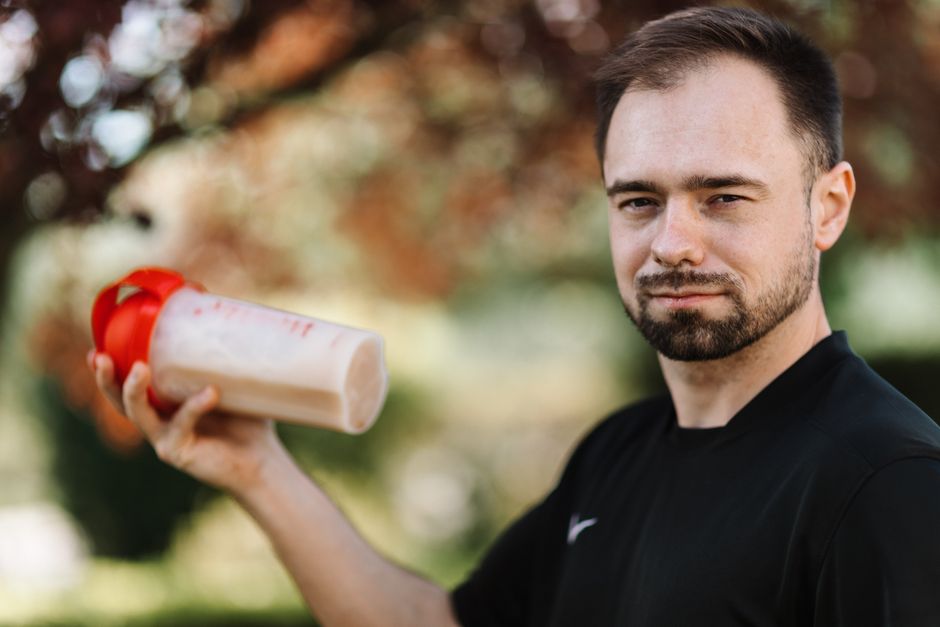
You lift weights to build muscle. You run to get faster. You stretch to get more flexible. But none of that work matters as much without the right fuel. Protein is the raw material your body uses to rebuild and strengthen muscle tissue after exercise. When you work out, you create tiny tears in your muscle fibers. Protein steps in to repair those tears and make the fibers bigger and stronger than before. Without enough protein, your body struggles to complete that repair process, and your hard work in the gym produces far smaller results.
What Does Protein Actually Do in Your Body?
Protein is made of amino acids. Think of amino acids as building blocks. Your body uses them to build and repair tissues, including muscle, skin, hair, and organs. When you eat protein, your digestive system breaks it down into these individual amino acids. Your body then reassembles them wherever they are needed most.
During a workout, especially resistance training, your muscle fibers experience microscopic damage. This damage is normal and expected. It signals your body to start the repair process. Protein provides the materials for that repair. The result is muscle growth, or hypertrophy, over time.
Protein also plays a role in other workout-related functions. It helps your body produce enzymes and hormones that regulate metabolism. It supports immune function, which matters when intense training temporarily stresses your immune system. And it helps maintain fluid balance in your body, which affects performance and recovery.
How Much Protein Do You Need When Working Out?
The amount of protein you need depends on your body weight, your activity level, and your fitness goals. For a sedentary adult, the recommended dietary allowance is 0.8 grams of protein per kilogram of body weight. That equals about 0.36 grams per pound. A 150-pound person who does not exercise would need about 54 grams of protein per day.
Active people need more. Research consistently shows that people who exercise regularly benefit from higher protein intake. For most people who work out, the recommended range is 1.2 to 2.0 grams per kilogram of body weight per day. That translates to roughly 0.55 to 0.9 grams per pound. A 150-pound person who lifts weights several times per week might need between 82 and 136 grams of protein daily.
Athletes doing intense training at high volume may need toward the upper end of that range. People who are primarily doing moderate exercise, like brisk walking or recreational cycling, may need less. The key point is that the more you train, and the more intense your training, the more protein your body requires.
When Should You Eat Protein Around Your Workout?
Timing matters, but not as much as total daily intake. For years, the concept of an “anabolic window” suggested you had to consume protein within 30 minutes of finishing your workout or you would miss out on gains. Research has since shown that this window is much wider than originally believed.
What matters most is consuming adequate protein throughout the day. Spreading your protein intake across multiple meals and snacks helps ensure a steady supply of amino acids for your muscles. Most research suggests that eating 20 to 40 grams of protein per meal, depending on your body size and total needs, works well for most people.
That said, eating protein after a workout is still beneficial. Your muscles are primed to absorb amino acids after exercise. A meal or shake containing protein within a few hours of training supports recovery. Eating protein before your workout can also help, especially if you have not eaten in several hours.
One practical approach is to include protein in every meal. Breakfast, lunch, and dinner each with 20 to 40 grams of protein covers most people’s needs without complicated timing strategies.

What Happens If You Do Not Eat Enough Protein?
If you work out regularly but do not eat enough protein, your body faces a problem. It needs amino acids to repair muscle tissue, but you have not provided enough. Your body will break down existing muscle tissue to get those amino acids. This is called muscle protein breakdown.
The result is that you may not build muscle despite training hard. In some cases, you may even lose muscle mass over time. This is especially true for people who are in a calorie deficit while trying to lose weight. Without adequate protein, weight loss can come from muscle rather than fat.
Other signs of insufficient protein intake include slower recovery from workouts, persistent soreness, fatigue, and a higher risk of injury. Your immune system may also suffer, leading to more frequent illnesses, especially during intense training periods.
What Are the Best Sources of Protein?
Protein comes from both animal and plant sources. Animal proteins, such as chicken, beef, fish, eggs, and dairy, are considered complete proteins. They contain all nine essential amino acids that your body cannot make on its own.
Plant proteins, including beans, lentils, tofu, tempeh, nuts, and seeds, are also valuable. Most plant proteins are incomplete, meaning they lack one or more essential amino acids. However, eating a variety of plant proteins throughout the day provides all the amino acids you need. Soy and quinoa are exceptions, as they are complete plant proteins.
Whey protein, a dairy byproduct, is a popular supplement among people who work out. It is quickly absorbed and rich in leucine, an amino acid that plays a key role in stimulating muscle protein synthesis. Casein, another milk protein, digests more slowly and is sometimes taken before bed.
Whole foods should be your primary protein source. Supplements are convenient but not necessary for most people. A balanced diet with a variety of protein sources will meet your needs in most cases.
Does Protein Help With Weight Loss and Body Composition?
Yes. Protein is the most satiating macronutrient. It keeps you feeling full longer than carbohydrates or fat. This can help you eat fewer calories overall, which supports weight loss.
Protein also has a higher thermic effect than other macronutrients. Your body burns more calories digesting protein than it does digesting carbohydrates or fat. This effect is modest but real.
When you combine adequate protein intake with resistance training, you can preserve muscle mass while losing fat. This is important because muscle tissue burns more calories at rest than fat tissue. Maintaining muscle during weight loss helps keep your metabolism higher than it would be if you lost muscle along with fat.
Some research suggests that higher protein diets are more effective for weight loss and maintenance than lower protein diets. The evidence is strongest when protein intake is combined with regular exercise.
Can You Eat Too Much Protein?
For healthy people, high protein intake is generally safe. The kidneys filter waste products from protein metabolism, and they handle this efficiently in healthy individuals. There is no strong evidence that high protein intake damages kidneys in people with normal kidney function.
People with existing kidney disease should be more careful. If you have kidney issues, talk to your doctor before significantly increasing your protein intake.
Extremely high protein intake, such as more than 3 grams per kilogram of body weight per day, is not necessary for most people. It may cause digestive discomfort, including bloating and constipation, especially if you suddenly increase your intake. It can also displace other important foods in your diet.
Does Protein Timing Matter for Muscle Growth?
Total daily protein intake is the most important factor for muscle growth. Research consistently shows that consuming enough protein over the course of the day matters more than exactly when you consume it.
That said, there is some evidence that spreading protein evenly across meals is beneficial. Eating 20 to 40 grams at each meal stimulates muscle protein synthesis multiple times per day. Eating all your protein in one sitting limits how much your muscles can use at once. Your body will use what it needs and may oxidize the excess.
Eating protein before bed may also help. Your body continues to repair muscle tissue while you sleep, and a slow-digesting protein like casein can provide amino acids throughout the night. This is a minor benefit, but it can add up over time.
What About Protein Supplements?
Protein powders and shakes are convenient, but they are not magic. They provide the same amino acids found in whole foods. Whole foods also provide other nutrients, like iron, zinc, and B vitamins, that are important for overall health.
Whey protein is the most studied supplement for muscle building. It is effective and safe for most people. Plant-based protein powders, such as pea or rice protein, are good alternatives for people who avoid dairy or follow a vegan diet.
If you struggle to meet your protein needs through food alone, a supplement can help. This is common for people with large protein requirements, such as athletes or people trying to build significant muscle mass. For most people, food should come first.
Frequently Asked Questions
How much protein do I need per day if I work out?
Most active people need 1.2 to 2.0 grams of protein per kilogram of body weight per day. This equals roughly 0.55 to 0.9 grams per pound of body weight.
Is it better to eat protein before or after a workout?
Both times are beneficial, but total daily intake matters most. Eating protein within a few hours after your workout supports recovery, and having protein before training helps if you have not eaten recently.
Can I build muscle without protein supplements?
Yes. Whole foods like chicken, fish, eggs, beans, and dairy provide all the protein you need. Supplements are convenient but not required for muscle growth.
Will eating too much protein make me gain fat?
Excess calories from any source, including protein, can lead to fat gain. However, protein is more satiating than other foods, which often helps people eat fewer total calories.
