
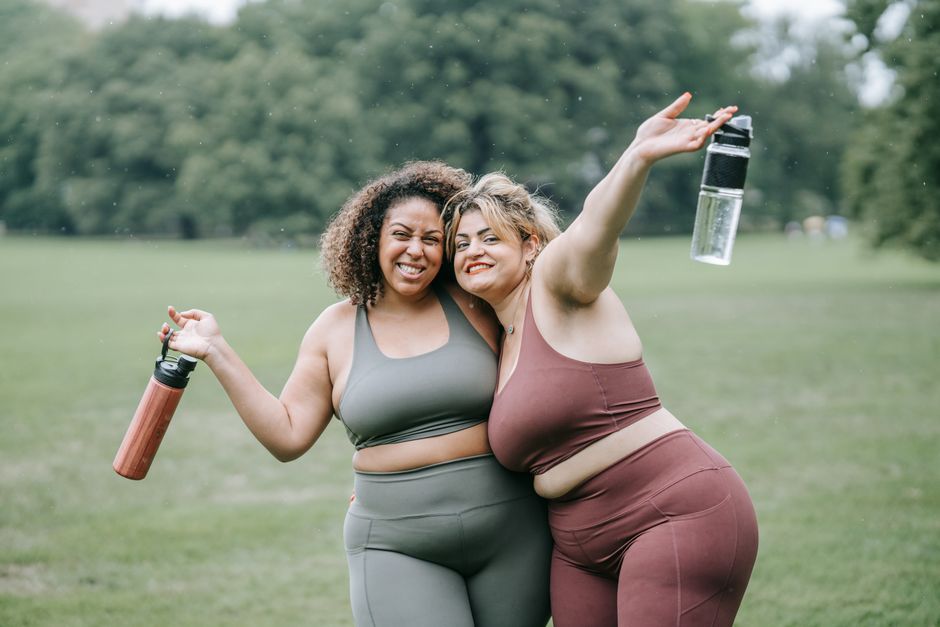
Most women need between 80 and 120 grams of protein per day for weight loss. This number depends on your body weight and activity level. The general rule backed by research is 1.2 to 1.6 grams of protein per kilogram of body weight. That is a clear, evidence-based target. Anything less than 60 grams per day is unlikely to support significant fat loss while preserving muscle.
Why Protein Matters for Weight Loss in Women
Protein does more than build muscle. It changes how your body handles calories. When you eat enough protein, your body burns more calories digesting it compared to fat or carbs. This is called the thermic effect of food. Protein has a thermic effect of about 20 to 30 percent. Carbs are around 5 to 10 percent. Fat is even lower.
Protein also reduces hunger. Studies have found that high-protein meals lower ghrelin, the hormone that makes you feel hungry. At the same time, protein increases peptide YY, a hormone that tells your brain you are full. This is not a minor effect. Women who eat 25 to 30 grams of protein per meal consistently report fewer cravings and less snacking between meals.
There is another reason protein matters specifically for women. As women age, especially after 40, muscle mass naturally declines. This process is called sarcopenia. Less muscle means a slower metabolism. Eating enough protein while losing weight helps hold onto that muscle. If you lose muscle during a diet, your metabolism drops. That makes it harder to keep weight off long-term.
How Much Protein Do Women Need For Weight Loss Based on Body Weight
The most accurate way to calculate your protein needs is by body weight. The American College of Sports Medicine recommends 1.2 to 1.7 grams of protein per kilogram of body weight for active women. For weight loss specifically, the higher end of that range works better.
Here is a simple reference table based on common body weights:
| Body Weight (lbs) | Body Weight (kg) | Minimum Protein (g) | Optimal Protein (g) |
|---|---|---|---|
| 130 | 59 | 71 | 94 |
| 150 | 68 | 82 | 109 |
| 170 | 77 | 92 | 123 |
| 190 | 86 | 103 | 138 |
| 210 | 95 | 114 | 152 |
If you are very active or doing strength training, aim for the optimal column. If you are mostly sedentary, the minimum column is a reasonable starting point. These numbers are not arbitrary. They come from clinical research published in the Journal of the International Society of Sports Nutrition and the American Journal of Clinical Nutrition.
What Happens When Women Eat Too Little Protein While Dieting
Many women cut calories and end up cutting protein too. This is a common mistake. When you restrict calories without keeping protein high, your body breaks down muscle for energy. The scale may show weight loss, but much of it is muscle and water, not fat.
Research published in Obesity Reviews found that women who ate less than 60 grams of protein per day during weight loss lost 30 to 40 percent more muscle compared to women who ate higher protein. That muscle loss directly lowers your resting metabolic rate. In simple terms, you burn fewer calories just sitting still. This is why some women hit a weight loss plateau or regain weight quickly after dieting.
There is also a hormonal effect. Women who undereat protein often experience drops in thyroid hormone T3, which regulates metabolism. Some studies suggest this can slow weight loss by 10 to 15 percent over several weeks. This is not about eating less. It is about eating the right mix of nutrients.




How to Distribute Protein Throughout the Day
Timing matters more than most people realize. Your body can only use so much protein at once for muscle repair and satiety. Eating all your protein in one large dinner is not effective. Research shows that spreading protein across three to four meals works best for preserving muscle and controlling appetite.
A practical approach looks like this:
- Breakfast: 25 to 30 grams of protein
- Lunch: 25 to 35 grams of protein
- Dinner: 30 to 40 grams of protein
- Optional snack: 10 to 20 grams of protein
Each meal should contain at least 20 grams of protein to trigger muscle protein synthesis, according to research from the Journal of Nutrition. This is the process your body uses to repair and maintain muscle tissue. Eating less than 20 grams per meal does not have the same effect for most women over 35.
If you struggle to hit these numbers, start with breakfast. Many women eat very little protein in the morning. A breakfast with 10 grams or less is common. Adding Greek yogurt, eggs, or a quality protein powder can bring that number up quickly.
Common High-Protein Foods and How Much They Provide
Knowing the numbers helps, but you also need to know what foods deliver them. Here are common protein sources and their approximate protein content:
- Chicken breast (3 oz cooked): 26 grams
- Lean beef (3 oz cooked): 22 grams
- Salmon (3 oz cooked): 21 grams
- Eggs (2 large): 12 grams
- Greek yogurt (1 cup plain): 20 grams
- Cottage cheese (1 cup): 28 grams
- Lentils (1 cup cooked): 18 grams
- Tofu (4 oz): 11 grams
- Protein powder (1 scoop): 20 to 25 grams
Whole foods are generally better than supplements. They provide vitamins, minerals, and fiber that protein powders lack. However, protein powder can be a useful tool when you are short on time or struggling to meet your target. Just be careful with brands that add a lot of sugar or artificial ingredients. Look for powders with fewer than 5 grams of sugar per serving.
What About Protein and Kidney Health
Some women worry that high protein intake harms the kidneys. This concern comes from older research on people with pre-existing kidney disease. For healthy women with normal kidney function, there is no evidence that protein intake in the 1.2 to 1.6 grams per kilogram range causes damage. The National Kidney Foundation states that a high-protein diet is safe for people with healthy kidneys.
If you have a history of kidney stones or kidney disease, talk to your doctor before increasing protein. Otherwise, this concern is largely overblown. The real risk to kidney health from diet comes from chronic dehydration and uncontrolled high blood pressure, not from eating chicken and eggs.
Common Misconceptions About Protein and Weight Loss
One widespread myth is that eating too much protein turns into fat. This is misleading. Any excess calories from any food can be stored as fat, but protein is the least likely macronutrient to be stored that way. Your body has to work much harder to convert protein into fat compared to carbs or dietary fat. The process is inefficient, so most of the excess protein is simply burned off as heat or excreted.
Another myth is that women should avoid protein before exercise because it causes stomach issues. Some women do feel heavy if they eat a large meal right before a workout, but a small protein-rich snack 30 to 60 minutes before exercise can improve muscle recovery. A hard-boiled egg or half a scoop of protein powder is usually fine.
A third misconception is that plant protein is inferior to animal protein. Plant proteins are often lower in one or more essential amino acids, but this is easily fixed by eating a variety of plant sources throughout the day. Combining rice and beans, for example, provides a complete amino acid profile. The key is total protein intake, not perfection in every single meal.
Frequently Asked Questions
How much protein do women need for weight loss in grams per day?
Most women need 80 to 120 grams per day, based on body weight and activity level. The exact formula is 1.2 to 1.6 grams per kilogram of body weight.
Can women lose weight without eating high protein?
Yes, but it is harder and you may lose more muscle. Higher protein intake helps preserve muscle and reduces hunger, making the process more sustainable.
Is 100 grams of protein too much for a woman?
No, 100 grams is a reasonable target for many women, especially those weighing 140 pounds or more. It is safe for women with healthy kidneys.
What is the best protein source for women trying to lose weight?
Lean meats, eggs, Greek yogurt, and lentils are excellent choices. Variety matters more than any single food because different proteins provide different nutrients.
