
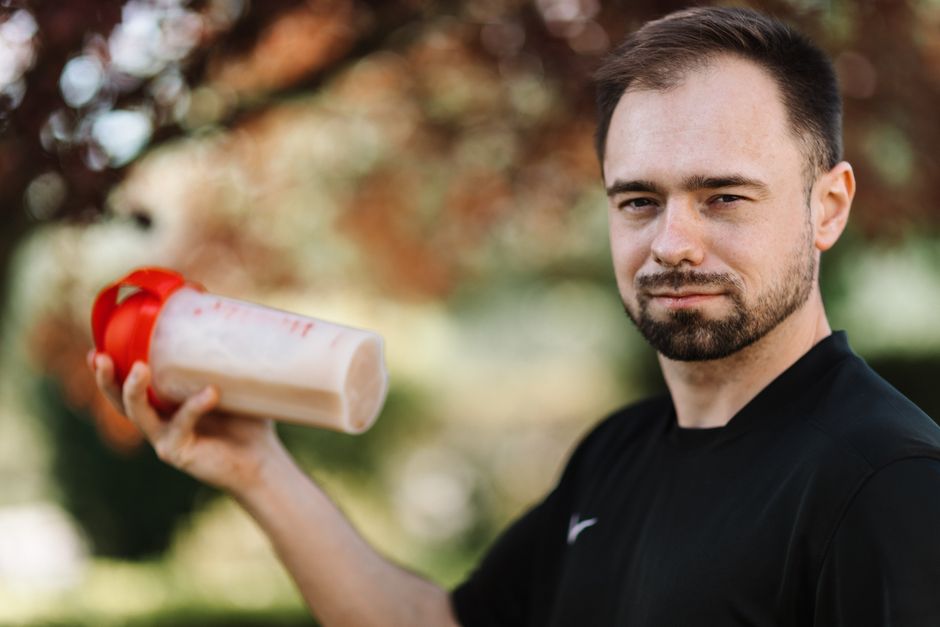
Protein shakes are a popular tool for weight loss, but the real question is whether they actually work. The short answer is yes, protein shakes can help you lose weight, but only if you use them correctly as part of a calorie-controlled diet. They are not a magic solution, and they will not cause weight loss on their own. Research shows that replacing a meal with a protein shake can reduce your daily calorie intake, which leads to weight loss over time. However, relying on shakes alone without changing your overall eating habits will not produce lasting results.
How Do Protein Shakes Help With Weight Loss?
Protein shakes help with weight loss primarily by making you feel full. Protein is more satiating than carbohydrates or fat, meaning it suppresses hunger hormones more effectively. When you drink a protein shake as a meal replacement, you consume fewer calories than you would from a typical meal, and you stay full longer. This reduces the likelihood of snacking later in the day.
Another way protein shakes support weight loss is through their effect on metabolism. The body burns more calories digesting protein compared to carbs or fat. This is called the thermic effect of food. Research published in the American Journal of Clinical Nutrition found that protein increases the thermic effect by roughly 20-30 percent, compared to 5-10 percent for carbohydrates. While this alone will not cause dramatic weight loss, it contributes to the overall calorie deficit needed to lose weight.
Protein also helps preserve muscle mass during weight loss. When you cut calories, your body can break down muscle for energy. Drinking protein shakes provides the amino acids needed to protect muscle tissue. More muscle means a higher resting metabolism, which helps you burn more calories even at rest. This is why many people include protein shakes in their weight loss plan — not just for the calories saved, but for the muscle they keep.
What Does Research on Protein Shakes and Weight Loss Show?
Multiple studies have examined whether protein shakes actually lead to weight loss. A 2014 review in Nutrition Reviews analyzed 20 trials and found that people who used meal replacement shakes lost more weight at three months and six months compared to those on standard low-calorie diets. The difference was about 2.5 to 3 pounds more over six months. That is not a huge amount, but it is statistically significant.
Another study from the Journal of the American College of Nutrition looked at overweight adults who replaced two meals per day with protein shakes. After 12 weeks, the shake group lost about 7 percent of their body weight, while the control group lost about 3 percent. The shake group also had greater reductions in waist circumference and body fat percentage. These results suggest that protein shakes can be an effective tool, especially for people who struggle with portion control or meal planning.
However, the research also shows that the weight loss effect diminishes over time. Most studies lasted only three to six months, and the long-term data is less impressive. After one year, the weight loss difference between shake users and non-users often disappears. This is because people tend to return to their old eating habits once they stop using shakes. The key takeaway is that protein shakes work best when used as a temporary strategy, not a permanent solution.
Can Protein Shakes Replace Meals for Weight Loss?
Replacing a meal with a protein shake is one of the most common weight loss strategies. The idea is simple: a typical shake contains 150-250 calories, while a standard meal might contain 500-800 calories. By swapping one meal per day for a shake, you create a calorie deficit of 250-550 calories. Over a week, that adds up to about one to two pounds of weight loss.
But replacing meals is not the same as skipping meals. If you replace breakfast or lunch with a shake, you still need to eat a balanced dinner that includes vegetables, lean protein, and whole grains. Some people make the mistake of drinking shakes for two meals and then eating a large dinner, which can cancel out the calorie savings. The evidence from the Obesity Reviews journal suggests that meal replacement shakes work best when used for one meal per day, combined with a structured diet plan for the other meals.
There is also a difference between meal replacement shakes and protein supplements. Meal replacement shakes contain vitamins, minerals, and fiber in addition to protein. Plain protein powder mixed with water is not a meal replacement — it lacks the nutrients your body needs. If you plan to replace a meal, choose a shake that is labeled as a meal replacement and contains at least 15-20 grams of protein, along with fiber and micronutrients.




What Are the Best Types of Protein for Weight Loss?
Not all protein powders are the same. The type of protein you choose can affect how full you feel and how well it supports weight loss. Whey protein is the most researched and is known for its high leucine content, which stimulates muscle protein synthesis. A study in Nutrition & Metabolism found that whey protein reduced hunger more than soy or casein. Whey is also quickly absorbed, making it a good choice for a post-workout shake.
Casein protein digests slowly and provides a steady release of amino acids. This makes it a better option for a meal replacement because it keeps you full for several hours. Some studies suggest that casein is more satiating than whey, though the difference is small. Soy protein is a plant-based option that also supports satiety, though the evidence is less strong than for whey. Pea protein has gained popularity and appears to be similarly effective for appetite control, according to a 2015 study in the Journal of the International Society of Sports Nutrition.
Here is a comparison of common protein types for weight loss:
| Protein Type | Satiety Level | Absorption Speed | Best Use |
|---|---|---|---|
| Whey | High | Fast | Post-workout or breakfast |
| Casein | Very high | Slow | Meal replacement or before bed |
| Soy | Moderate | Medium | Plant-based meal replacement |
| Pea | High | Medium | Vegan option for satiety |
| Egg | Moderate | Medium | General use |
For weight loss, the best protein shake is one that you will actually drink consistently. If you dislike the taste of whey, you will not stick with it. The research shows that adherence to any diet plan matters more than the type of protein. Choose a shake that fits your taste preferences and dietary restrictions, and use it as part of a calorie-controlled plan.
What Are the Hidden Downsides of Protein Shakes for Weight Loss?
Protein shakes are not risk-free. One common problem is that people drink them in addition to their regular meals, not instead of them. This adds extra calories and can cause weight gain instead of loss. A study in the Journal of the American Dietetic Association found that people who added protein shakes to their diet without cutting calories elsewhere gained weight over 12 weeks. The shakes themselves are not fattening, but the extra calories are.
Another downside is that liquid calories are less satiating than solid food. While protein shakes do suppress hunger, they may not be as filling as chewing a whole food meal. A 2010 study in Appetite compared a liquid meal to a solid meal with the same calories and found that the solid meal led to greater fullness and less subsequent eating. This means that some people may feel hungry sooner after a shake and end up eating more later in the day.
There is also the issue of nutrient gaps. Whole foods provide fiber, vitamins, minerals, and antioxidants that protein shakes lack. If you replace too many meals with shakes, you risk missing out on these nutrients. Some protein powders also contain added sugars, artificial sweeteners, or fillers that can cause digestive discomfort. Always check the ingredient list and choose a shake with minimal added sugar — ideally less than five grams per serving.
When Should You Drink Protein Shakes for Weight Loss?
Timing matters, but not as much as total calorie intake. The most important factor is that you use the shake to create a calorie deficit. Drinking a shake for breakfast can help some people eat fewer calories throughout the day. Others find that a shake after a workout helps them avoid overeating later. A 2013 study in the Journal of Nutrition found that consuming protein within two hours of exercise improved muscle recovery, but did not directly affect weight loss.
Some people prefer to drink a shake as a mid-afternoon snack to prevent overeating at dinner. This can work if the shake replaces a high-calorie snack like chips or cookies. However, if you drink a shake on top of your usual snacks, it will not help with weight loss. The timing is less important than the substitution. The shake must replace something else in your diet, not add to it.
If you exercise regularly, a post-workout shake can help with muscle preservation, which supports a higher metabolism. For people who do not exercise, a meal replacement shake at breakfast or lunch is a more effective strategy. The choice depends on your daily routine and eating habits. Experiment with different times to see what keeps you full and prevents overeating.
Common Misconceptions About Protein Shakes and Weight Loss
One widespread myth is that protein shakes burn fat directly. They do not. Protein shakes provide protein, which supports muscle and satiety, but they have no fat-burning properties. The weight loss comes from the calorie deficit, not from the shake itself. Another myth is that you need protein shakes to lose weight. Many people lose weight successfully without ever drinking a shake. They are a tool, not a requirement.
Another misconception is that more protein is always better. The body can only use about 20-30 grams of protein per meal for muscle synthesis. Consuming more than that does not provide extra benefit and adds unnecessary calories. A typical protein shake contains 20-30 grams, which is appropriate. Drinking multiple shakes per day can push your protein intake beyond what your body needs and may lead to digestive issues or weight gain.
Some people also believe that protein shakes are a complete meal. They are not. A shake lacks the fiber, healthy fats, and complex carbohydrates found in whole foods. Relying on shakes for multiple meals per day can lead to nutrient deficiencies over time. The healthiest approach is to use shakes as a supplement to a balanced diet, not a replacement for real food.
Frequently Asked Questions
Can protein shakes help you lose weight without exercise?
Yes, protein shakes can help you lose weight without exercise if you use them to replace higher-calorie meals. The weight loss comes from the calorie deficit, not from physical activity.
How many protein shakes should you drink per day for weight loss?
Most research suggests one shake per day as a meal replacement is effective. Drinking more than two shakes per day can lead to nutrient gaps and may not improve results.
Do protein shakes make you gain weight?
Protein shakes can cause weight gain if you drink them in addition to your regular meals without cutting calories elsewhere. They only help with weight loss when they replace other foods.
Is whey or plant protein better for weight loss?
Both types are effective for weight loss. Whey has more research supporting its satiety effects, but plant proteins like pea or soy work well for people who avoid dairy.
