
Little bumps on your face are rarely a single condition. They are usually one of several distinct skin issues, each with its own cause and treatment. Most are harmless, but knowing which type you have matters because the right fix for one can make another worse.
What Are the Most Common Causes of Little Bumps on the Face?
The most frequent culprits are closed comedones, milia, and keratosis pilaris. Each looks similar at a glance but behaves very differently.
Closed comedones are whiteheads. A pore fills with oil and dead skin cells, and a thin layer of skin covers the opening. They feel like tiny, firm bumps under the skin. They are a mild form of acne.
Milia are small, white, pearl-like cysts. They form when keratin — a protein in your skin — gets trapped just beneath the surface. They are not acne and contain no oil or bacteria. They are common in newborns but can appear at any age.
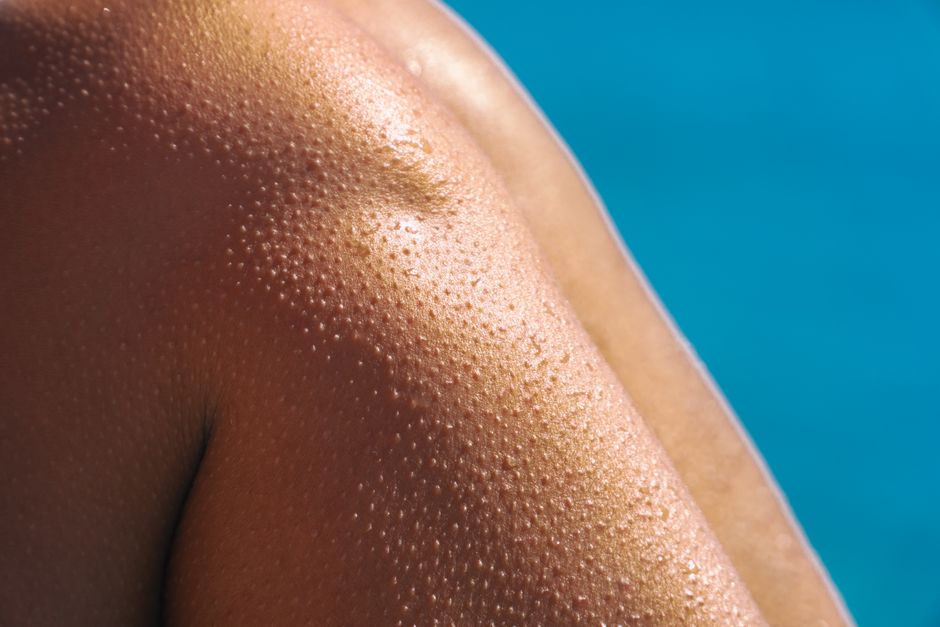
Keratosis pilaris causes rough, sandpaper-like bumps, often on the cheeks, upper arms, or thighs. It happens when dead skin cells clog hair follicles. The bumps may look red or brown depending on your skin tone.
Other possibilities include fungal acne, contact dermatitis, or simply irritation from skincare products. If the bumps itch, burn, or spread quickly, that points toward irritation or an allergic reaction rather than clogged pores.
How Can You Tell Milia from Whiteheads?
Milia and whiteheads look similar but respond to different treatments. This distinction matters.
Whiteheads are soft and can be expressed. A gentle squeeze with clean tools will release the contents because the pore connects to the surface. Milia are hard, round cysts with no opening. Squeezing them does nothing except cause redness or scarring.
Milia sit closer to the surface of the skin than whiteheads. They often appear around the eyes, nose, and cheeks. Whiteheads can appear anywhere but favor the T-zone — forehead, nose, and chin — where oil production is highest.
If you have a bump that will not pop no matter what you do, it is likely milia. Do not dig at it. That damages the skin and raises the risk of infection or a permanent mark.
Why Do You Have Little Bumps On Your Face That Never Turn Into Pimples?
This is one of the most common questions dermatologists hear. The answer depends on what the bumps actually are.
Closed comedones can stay as small, flesh-colored bumps for weeks or months. They may eventually become inflamed pimples, or they may resolve on their own. They do not always progress.
Milia never turn into pimples. They are keratin-filled cysts, not oil-filled pores. They can last for months and often require professional removal to disappear.
Keratosis pilaris bumps also do not become pimples. They are a genetic condition of the hair follicles and tend to persist for years. They often improve with age but rarely clear completely on their own.
If your bumps have stayed exactly the same for months, they are probably not acne. Acne lesions change over time — they fill, inflame, and drain. Static bumps point toward milia, keratosis pilaris, or another non-acne condition.





What Treatments Actually Work for Each Type of Bump?
Treatment depends entirely on the diagnosis. Using acne products on milia will not help. Using exfoliants on irritated skin will make it worse.
For closed comedones: Products containing salicylic acid or adapalene are the first-line options. Salicylic acid is a beta hydroxy acid that penetrates oil and helps clear the pore. Adapalene is a retinoid that normalizes how skin cells shed. Both require consistent use for 8 to 12 weeks before results appear.
For milia: No over-the-counter cream reliably removes them. Some dermatologists recommend retinoids to speed up cell turnover, but evidence is limited. The most effective treatment is physical removal by a dermatologist. They use a sterile lancet to make a tiny opening and extract the keratin ball. This is quick and leaves minimal scarring when done properly.
For keratosis pilaris: Regular exfoliation helps smooth the skin. Lotions containing lactic acid, glycolic acid, or urea soften the keratin plugs. Daily moisturizing is also important. Results take several weeks and the condition returns if you stop treatment.
For any of these, do not pick, squeeze, or try to extract the bumps yourself. Home extraction of milia often leads to infection and scarring. Closed comedones that are squeezed improperly can rupture beneath the skin and cause a larger, more inflamed pimple.
When Should You See a Dermatologist?
Most facial bumps are harmless and can be managed at home. But certain signs warrant a professional opinion.
See a dermatologist if the bumps are painful, inflamed, or spreading rapidly. Also seek care if they appear suddenly after starting a new medication or using a new skincare product. A sudden rash-like appearance may indicate an allergic reaction or contact dermatitis rather than a clogged pore.
Bumps that bleed, change color, or grow over time should always be evaluated. While most bumps are benign, skin cancer can sometimes present as a small, pearly or flesh-colored growth. A dermatologist can distinguish between a harmless cyst and something more concerning.
If over-the-counter treatments have not improved the bumps after three months of consistent use, professional help is reasonable. Prescription-strength retinoids or other medications may be needed.
Can Your Skincare Routine Cause These Bumps?
Yes. Sometimes the products meant to help your skin are the problem.
Heavy moisturizers, thick creams, and certain sunscreens can clog pores. This is called comedogenicity — the tendency of a product to block follicles. Ingredients like coconut oil, cocoa butter, and some silicones are more likely to cause this in acne-prone individuals.
Hair products can also be a culprit. Gels, pomades, and conditioners that touch your forehead or cheeks can transfer oils and ingredients that clog pores. This is sometimes called pomade acne.
Over-exfoliating is another common mistake. Using strong acids, scrubs, or retinoids too frequently strips the skin barrier. The skin responds by producing more oil to compensate, which can worsen bumps rather than clear them.
If you suspect a product is causing your bumps, stop using it for two to three weeks and see if your skin improves. Introduce new products one at a time so you can identify what your skin tolerates.
Are These Bumps Ever a Sign of Something Serious?
In most cases, no. The vast majority of little facial bumps are cosmetic issues, not health threats.
However, some conditions deserve attention. Eruptive syringomas, for example, are small bumps caused by overactive sweat ducts. They are benign but can be widespread and persistent. Sebaceous hyperplasia looks like enlarged oil glands — small, soft, yellow or flesh-colored bumps that sometimes have a central depression. These are harmless but can be mistaken for other lesions.
Basal cell carcinoma, the most common form of skin cancer, can sometimes appear as a small, pearly bump that may bleed or crust. It typically grows slowly and is highly treatable when caught early. Any bump that bleeds easily, does not heal, or changes appearance should be examined by a doctor.
If you have many bumps that appeared suddenly and are accompanied by fever, joint pain, or other systemic symptoms, seek medical attention. That pattern suggests a broader condition rather than a local skin issue.
Frequently Asked Questions
Can little bumps on my face be caused by my diet?
No direct evidence links specific foods to milia or keratosis pilaris. High-glycemic diets may worsen acne in some people, but the effect varies widely between individuals.
How long does it take for milia to go away on their own?
Milia in adults can last for months or even years without treatment. Some eventually resolve, but professional extraction is the most reliable way to remove them.
Is it safe to pop milia at home?
No. Milia have no opening to the surface, so squeezing them only damages surrounding skin and risks infection or scarring. A dermatologist can remove them safely with a sterile tool.
Will moisturizer make my little bumps worse?
It can if the moisturizer is heavy or contains pore-clogging ingredients. Lightweight, non-comedogenic formulas are less likely to cause problems, but any product can trigger bumps in sensitive individuals.
