
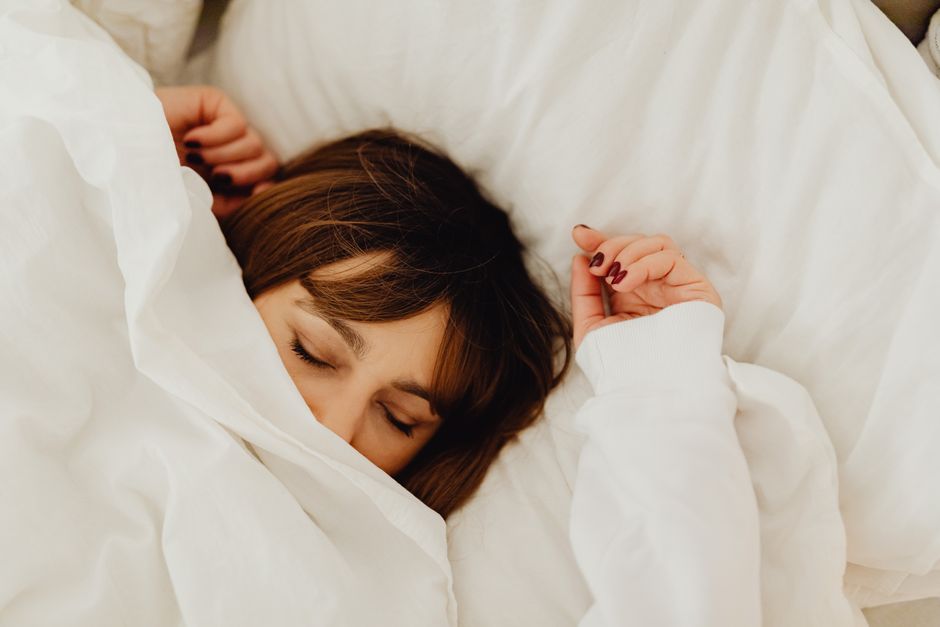
Many people pull the blanket over their head or bury their face in a pillow without thinking about it. It feels safe and cozy. But covering your face while sleeping can cause real risks. The main concern is that you reduce the amount of fresh oxygen you breathe in and increase the carbon dioxide you breathe back in. This can lead to poor sleep quality, headaches, and in rare cases, more serious health issues for certain people.
Why Do People Cover Their Face While Sleeping?
This habit often starts in childhood. A blanket over the head blocks out light and muffles sounds. It creates a small, dark cave that feels secure. For many adults, this comfort habit continues without any thought about the health effects.
Some people do it because their bedroom is too bright. Others do it to block out noise from a partner or from outside. A few people report that it helps them fall asleep faster because it signals to their brain that it is time to rest. Research shows that humans are creatures of habit, and this one sticks because it works in the moment.
There is also a sensory component. The pressure of a blanket against the face can feel calming for some people. This is similar to why weighted blankets work for anxiety. But the difference is that weighted blankets do not block your airway or trap your exhaled breath.
Does Covering Your Face While Sleeping Reduce Oxygen Levels?
Yes, it does. When you cover your face with a thick blanket or a heavy pillow, you create a small pocket of trapped air. With each exhale, you release carbon dioxide into that pocket. With each inhale, you pull some of that carbon dioxide back in. Over the course of the night, the oxygen level in that pocket drops.
Studies have measured this effect. One small study found that oxygen saturation in the blood can drop slightly in people who sleep with their head covered. The drop is usually not dangerous for a healthy person. But it is enough to disrupt deep sleep and cause morning headaches.
Your body notices the lower oxygen even if you do not wake up fully. It triggers a stress response. Your heart rate may increase slightly. Your sleep becomes lighter. You might wake up feeling tired even after a full night in bed.
What Are the Specific Health Risks of Sleeping With Your Face Covered?
The risks depend on how you cover your face and for how long. Here is what the evidence shows:
- Rebreathing carbon dioxide: This is the most common risk. You breathe in air that has less oxygen and more carbon dioxide. It can cause morning headaches, dizziness, and grogginess.
- Overheating: Trapping heat around your head can raise your core body temperature. Your body needs to cool down slightly to enter deep sleep. Overheating disrupts that process.
- Skin problems: Trapped moisture and heat against your face can clog pores and worsen acne or rosacea. Bacteria from your blanket can transfer to your skin.
- Sleep apnea worsening: If you already have sleep apnea, covering your face can make it worse. The combination of reduced airflow and rebreathing carbon dioxide puts extra stress on your breathing.
- Sudden Infant Death Syndrome (SIDS) risk in babies: This is serious. Covering a baby’s face with a blanket or soft bedding significantly increases SIDS risk. Current guidelines from pediatric health organizations strongly advise against any soft objects in a baby’s sleep space.
For a healthy adult, the risks are usually mild. But they add up over time. Poor sleep quality night after night affects your mood, focus, and immune system.




What Does Research Show About Sleeping With Your Head Under the Covers?
Research on this topic is limited but consistent. A study published in the journal Sleep and Breathing looked at healthy adults who slept with their head covered. The researchers found a small but measurable drop in oxygen saturation during the night. Participants also reported more morning headaches compared to nights when they slept without covering their heads.
Another study looked at people with chronic obstructive pulmonary disease (COPD). For these individuals, covering the face during sleep caused a more significant drop in oxygen levels. This makes sense because their lungs already struggle to exchange oxygen and carbon dioxide effectively. As of 2026, current research suggests that people with existing respiratory conditions should avoid this habit entirely.
There is also research on the link between face covering and sleep quality. One study used EEG monitors to track brain waves during sleep. Participants who covered their faces spent less time in deep sleep and REM sleep. They did not realize it, but their sleep was less restorative.
How Does Sleeping With Your Face Covered Compare to Other Sleep Habits?
Let me be clear about one thing. Sleeping with your face covered is not the same as sleeping in a dark room or using a sleep mask. A sleep mask covers your eyes only. It does not trap air around your nose and mouth. A blanket over your head blocks airflow in a way that a sleep mask never does.
Here is a simple comparison of common sleep habits and their effects on breathing:
| Sleep Habit | Effect on Oxygen | Effect on Carbon Dioxide | Risk Level |
|---|---|---|---|
| Face covered with thick blanket | Mild decrease | Mild increase | Low to moderate |
| Face covered with pillow | Moderate decrease | Moderate increase | Moderate |
| Sleep mask over eyes only | No effect | No effect | None |
| Sleeping on stomach with face in pillow | Moderate decrease | Moderate increase | Moderate |
| Sleeping on back with no covering | Normal | Normal | None |
The key takeaway is that any habit that traps your exhaled breath near your face will affect your oxygen and carbon dioxide levels. The thicker the covering, the greater the effect.
What Are the Best Alternatives to Covering Your Face While Sleeping?
If you cover your face for comfort or to block out light, there are safer alternatives. A silk or cotton sleep mask blocks light without affecting your breathing. Blackout curtains are another option that does not involve anything on your face at all.
If you cover your face for warmth, try wearing a sleep cap or a hoodie that does not cover your nose and mouth. You can also adjust your room temperature or use a heavier blanket on your body instead of your head.
If you cover your face because of noise, consider a white noise machine or earplugs. These options block sound without interfering with your breathing. Some people also find that a fan or air purifier creates enough background noise to mask disruptive sounds.
If you feel anxious without something over your face, try a thin, breathable fabric like a lightweight cotton scarf. Do not pull it tight. Leave it loose enough that air can circulate freely. Even this is not ideal, but it is much safer than a thick blanket or heavy pillow.
How Can You Break the Habit of Covering Your Face While Sleeping?
Breaking this habit takes intention. Start by identifying why you do it. Is it light? Noise? Warmth? Comfort? Address the root cause instead of the symptom.
Try gradual changes. If you usually pull the blanket over your head, start by leaving your nose and mouth uncovered. Cover only your eyes. Do this for a week. Then try sleeping without any face covering at all. Your brain will adjust over time.
Pay attention to how you feel in the morning. If you wake up with a headache or feel groggy, that is a sign that your sleep quality is suffering. Use that as motivation to change the habit.
Some people find it helpful to tuck their blanket under their chin or use a smaller blanket that cannot reach their face. You can also try a body pillow that keeps you in a side-sleeping position, which naturally keeps your face away from any covering.
Frequently Asked Questions
Is it dangerous to sleep with a blanket over my head?
For most healthy adults, it is not immediately dangerous but it can reduce sleep quality. It causes you to rebreathe carbon dioxide, which can lead to morning headaches and lighter sleep.
Can sleeping with your face covered cause sleep apnea?
No, it does not cause sleep apnea. But it can make existing sleep apnea worse by reducing oxygen levels and increasing carbon dioxide buildup during sleep.
What is the safest way to block light while sleeping?
A sleep mask that covers only your eyes is the safest option. Blackout curtains are even safer because they do not touch your face at all.
Does covering your face while sleeping affect your skin?
Yes, it can. Trapped heat and moisture against your face can clog pores and worsen acne, rosacea, or other skin conditions. Bacteria from your bedding can also transfer to your skin.
