
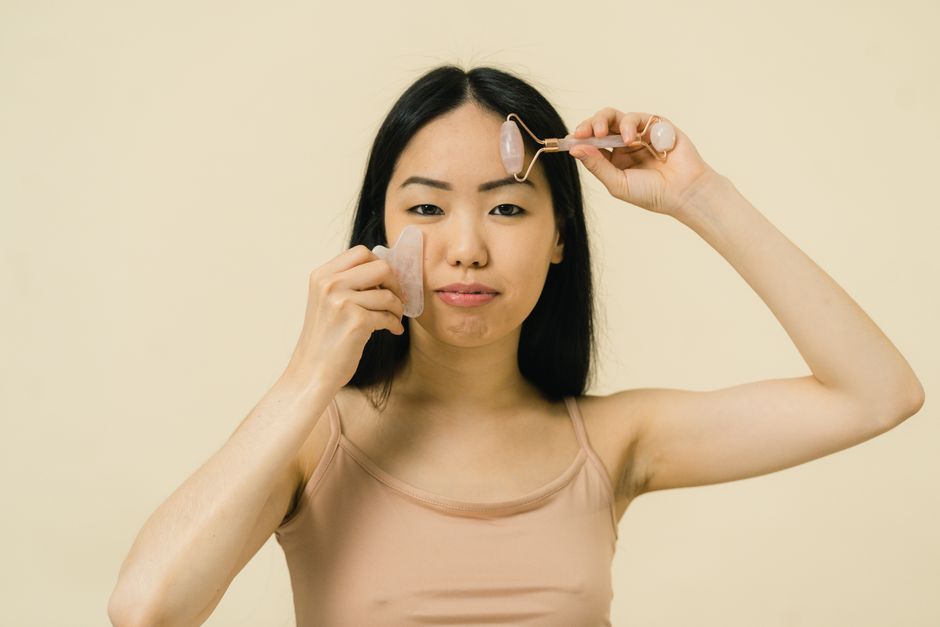
If you search for ways to lift your face you will find dozens of methods promising a younger look. The truth is no single method works perfectly for everyone. Some lift with surgery. Some use needles. Some rely on devices you use at home. This article compares every major method side by side using current research and clinical evidence so you can understand what each one actually does for your face.
What Causes a Face to Sag in the First Place?
Your face changes as you age because of three main things happening under your skin. First your skin loses collagen and elastin. These are proteins that keep skin firm and springy. Second the fat pads in your cheeks and around your eyes shrink and shift downward. Third the bones in your face slowly lose volume over decades.
Gravity pulls everything down over time. But it is not just gravity. Repeated facial expressions like squinting and smiling create grooves that deepen. Sun exposure breaks down collagen faster than aging alone. Smoking does the same. These factors determine how much your face sags and how early it starts.
Understanding these causes matters because different lift methods target different layers. Some work on skin only. Others reach deeper into fat or muscle. A method that tightens skin will not fix lost fat volume. You need to match the method to the problem.
How To Lift Your Face Every Method Compared: Surgical Options
A facelift is the most effective method for lifting a sagging face. Surgeons call it a rhytidectomy. They make incisions around the ears and hairline then pull the underlying tissue and skin tighter. This addresses multiple layers at once including muscle and fat. Results last 10 to 15 years on average.
The recovery is significant. Most people need two to four weeks before returning to normal activities. Bruising and swelling are expected. Risks include infection nerve damage and scarring. As of 2026 the average cost of a full facelift in the United States ranges from 8000 to 15000 dollars. Insurance does not cover it because it is cosmetic.
A mini facelift uses smaller incisions and targets the lower face only. Recovery is shorter but results are less dramatic and last about five to seven years. This option works best for people in their forties or fifties with mild to moderate sagging. Younger patients often choose this over a full facelift.
Neck lift surgery is sometimes done alongside a facelift. It tightens loose skin under the chin and along the jawline. If your main concern is a sagging neck or jowls this may be the better choice. Discuss both options with a board certified plastic surgeon before deciding.
| Method | Recovery Time | Duration of Results | Average Cost |
|---|---|---|---|
| Full Facelift | 2-4 weeks | 10-15 years | $8,000-$15,000 |
| Mini Facelift | 1-2 weeks | 5-7 years | $4,000-$8,000 |
| Neck Lift | 2-3 weeks | 10+ years | $5,000-$10,000 |
What Do Non-Surgical Needle and Thread Methods Actually Do?
Non-surgical options are popular because they avoid incisions and general anesthesia. But they do not produce the same results as surgery. Understanding the difference is important before spending money on multiple sessions that may not meet your expectations.
Dermal fillers are gel like substances injected into the face. They restore lost volume not lift skin directly. When placed in the cheeks or temples they can create an illusion of lift by supporting sagging tissue from below. Hyaluronic acid fillers are the most common type. Results last 6 to 18 months depending on the product. Some people report that fillers make their face look heavier rather than lifted if too much is used.
Neuromodulators like Botox relax muscles that cause wrinkles. They do not lift skin either. But relaxing the muscles that pull the mouth down can make the lower face appear slightly lifted. This effect is subtle. Botox is most effective for the upper face around the eyes and forehead. It lasts 3 to 4 months.
Thread lifts use dissolvable sutures with tiny cones or barbs that are inserted under the skin. The threads are pulled to lift sagging tissue. Some studies suggest thread lifts provide a mild lift that lasts 12 to 18 months. But the evidence is mixed. A 2018 review in the Journal of Cutaneous and Aesthetic Surgery noted that complications like thread visibility infection and asymmetry occur in up to 20 percent of cases. Results are not comparable to surgery. Many dermatologists advise thread lifts only for very mild sagging in younger patients.
Radiofrequency microneedling uses tiny needles to deliver heat into the deeper layers of skin. This stimulates collagen production over several months. It tightens skin modestly but does not lift sagging fat or muscle. Multiple sessions are needed usually three to six. Results appear gradually and last 12 to 24 months. This method works best for skin laxity on the cheeks and jawline.





What About At-Home Devices and Topical Products?
At-home devices promise a lot but deliver much less than professional treatments. The FDA does not require these devices to prove they work for lifting. They only need to be safe. This is a critical distinction that many marketing messages blur.
Microcurrent devices use low level electrical currents to stimulate facial muscles. Some people report a temporary tightening effect that lasts a few hours to a day. A small study from 2019 found that consistent use over several weeks produced minor improvements in skin firmness. But no study shows microcurrent lifts sagging skin in a noticeable way. The effect is very subtle at best.
LED light therapy masks use red or near infrared light to stimulate collagen production. Evidence supports their use for improving skin texture and reducing fine lines. But they do not lift skin. If your goal is a visible lift LED masks will not deliver it. They are better thought of as maintenance tools not lifting tools.
Topical creams with retinol peptides or vitamin C can improve skin firmness over months of consistent use. Retinol increases collagen production. Peptides signal skin to produce more collagen. But no topical cream can lift sagging skin. The molecules are too large to reach the deeper layers where lifting needs to happen. Any cream that claims to lift is overhyped.
Facial exercises are widely shared on social media. The idea is that strengthening facial muscles will tighten the skin above them. Current research suggests this does not work. A 2018 study in JAMA Dermatology found that facial exercises did not produce any measurable lift. Some dermatologists warn that repetitive movements may actually worsen wrinkles over time.
- Microcurrent devices: Temporary subtle tightening only
- LED masks: Improves skin texture does not lift
- Topical creams: Increases firmness but no lift
- Facial exercises: No evidence of lift may worsen wrinkles
What Are the Risks and Side Effects You Should Know?
Every method carries some risk. Surgery has the highest risk but also the highest reward. Infection bleeding and adverse reactions to anesthesia are possible. Nerve damage is rare but can cause temporary or permanent weakness in facial muscles. Scarring is inevitable but usually hidden in natural creases.
Fillers can cause bruising swelling and lumps. Rare but serious complications include vascular occlusion where filler blocks a blood vessel. This can cause skin death or blindness if it happens near the eye. Always use a licensed medical professional with experience in facial anatomy. Do not go to medspas where a nurse with minimal training performs injections.
Thread lifts have a higher complication rate than many people realize. Threads can become visible under the skin especially in thin skinned areas. They can break or migrate. Infection and scarring occur in some cases. The American Society of Plastic Surgeons advises caution with thread lifts because long term safety data is still limited.
At-home devices are generally safe if used as directed. The main risk is skin irritation from overuse or using too high a setting. Topical products can cause irritation redness or peeling especially with retinol. Start with low concentrations and increase slowly.
Avoid any method that claims to be painless with zero downtime and dramatic results. That combination does not exist in reality. If a treatment sounds too good to be true it likely is not backed by evidence.
Common Misconceptions About Lifting Your Face
Many people believe that non-surgical methods can achieve the same results as surgery if you do enough sessions. This is not true. Surgery physically repositions tissue. Injections and devices stimulate collagen or add volume. They work at different depths and produce different outcomes. No amount of filler will lift a severely sagging midface.
Another misconception is that younger is always better for treatment. Starting Botox or fillers in your twenties does not prevent sagging later. Sagging is caused by structural changes in fat and bone not just muscle movement. Prevention is mostly about sun protection and avoiding smoking. Starting treatments early may delay some wrinkles but it will not stop the deeper changes.
Some people think that a facelift looks unnatural or pulled. Modern facelift techniques focus on natural results. A well done facelift should make you look rested not stretched. The key is choosing a surgeon who specializes in facial rejuvenation and has a portfolio of before and after photos that look natural.
Finally many believe that results from any method are permanent. They are not. Surgery lasts the longest but aging continues. Your face will continue to change year after year. Maintenance treatments are needed for almost every method except surgery which may need a revision after a decade or more.
Frequently Asked Questions
What is the most effective way to lift a sagging face?
A surgical facelift is the most effective method for lifting sagging skin and tissue. Non-surgical options provide more subtle results and do not address deeper structural changes.
How long do non-surgical face lifts actually last?
Fillers last 6 to 18 months and thread lifts last 12 to 18 months. Neither produces results comparable to surgery in terms of lift or longevity.
Are at-home face lifting devices worth the money?
Most at-home devices provide very subtle temporary effects at best. They cannot lift sagging skin and should not be considered alternatives to professional treatments.
Can facial exercises lift your face naturally?
Current research does not support facial exercises as an effective method for lifting. Some dermatologists believe they may actually increase wrinkles over time.
