
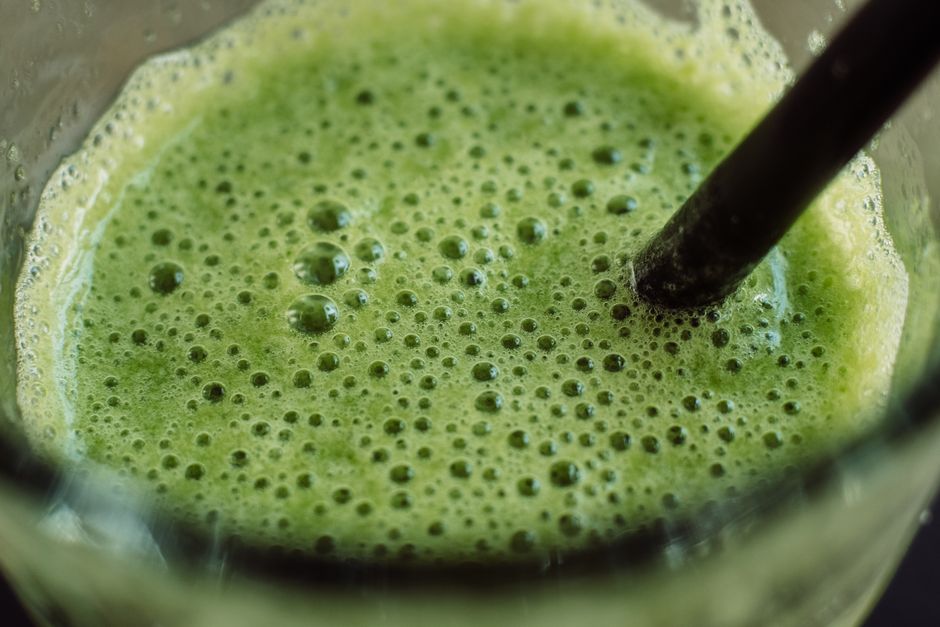
Green poop is almost always caused by something you ate, a food dye, or how fast waste moved through your gut. Bile, the digestive fluid your liver makes, starts out green. It usually turns brown as it travels through your intestines. When that color change gets interrupted, or when you eat a lot of green pigment, your stool can come out green. In most cases it clears up on its own within a day or two and is not a sign of anything serious.
Why Do You Have Green Poop?
Stool color is mostly a story about bile and time. Your liver produces bile, a yellow-green fluid that helps you digest fats. Bile travels into your small intestine, where bacteria and chemical reactions gradually break it down into a brown pigment called stercobilin. That pigment is what gives normal stool its brown color.
Two things can override that process. The first is green pigment from food or dye arriving in your stool before it can be broken down. The second is stool moving through your digestive tract too quickly for the bile-to-brown conversion to finish. Both are common. Neither usually means your digestive system is failing.
There is a third, less common category: a sudden increase in bile reaching your intestines, or a change in how your gut bacteria process it. This is where some medications and a few medical conditions come in. But for most people, the answer sits in the first two categories.
What Foods and Drinks Turn Poop Green?
Diet is the most common reason for green stool in adults. The pigments that give plants their color, called chlorophyll, can pass through digestion relatively intact. When you eat a large amount at once, the green can show up in your stool.
Foods and drinks frequently linked to green stool include:
- Leafy greens such as spinach, kale, and Swiss chard
- Broccoli, green beans, and other green vegetables in large amounts
- Matcha, wheatgrass, and spirulina powders or smoothies
- Green food coloring, including in frosting, candy, and sports drinks
- Blue food coloring, which can look green once it mixes with yellow bile
- Certain artificially colored beverages and ice pops
The blue-dye point catches people off guard. Blue dye number 1 and similar colorants can appear green in stool because yellow bile blends with the blue pigment. So if you had a blue sports drink or blue frosting and your stool looks green, that is a normal color-mixing effect, not a separate problem.
Iron supplements deserve a separate mention. They usually darken stool toward black, not green, but some people report a dark green tint. This is generally harmless.
Can Diarrhea Cause Green Poop?
Yes, and this is one of the most common explanations. When stool moves through your intestines quickly, there is less time for bacteria and enzymes to convert green bile into brown stercobilin. The result is stool that keeps more of its original green color.
Any cause of rapid transit can do this. A short bout of viral gastroenteritis, food that did not agree with you, or a sudden case of diarrhea from any source can all produce green stool for a day or two. The green color itself is not the concern. The diarrhea is what matters, and it usually resolves on its own.
One practical note: if diarrhea lasts more than a couple of days, or comes with signs of dehydration such as dizziness, dry mouth, or very dark urine, that is worth a call to a clinician. The color is not the issue. The fluid loss is.





Can Medications and Supplements Cause Green Stool?
Some medications and supplements can change stool color, though green is less common than other color shifts. Antibiotics are a frequent culprit because they alter the bacteria in your gut that help break down bile. When that bacterial balance changes, the conversion of green bile to brown pigment can slow down.
Other products that have been associated with green or altered stool color include:
- Iron supplements
- Some laxatives, especially those containing senna or magnesium
- Certain antibiotics
- Indomethacin, a prescription anti-inflammatory drug
- Some medications that increase bile flow
If you started a new medication and noticed a color change, the timing is a useful clue. Bring it up with your pharmacist or doctor rather than stopping the medication on your own. In most cases the color change is harmless, but it is worth confirming.
When Is Green Poop a Sign of Something More Serious?
Green stool by itself is rarely a warning sign. The color alone does not point to a specific disease. What matters more is what comes with it.
Certain conditions can affect bile flow or how quickly food moves through the gut, and green stool can sometimes appear alongside them. These include gallbladder problems, celiac disease, Crohn’s disease, irritable bowel syndrome, and infections such as giardiasis. In these cases, green stool is one small piece of a larger picture, not the main clue.
Seek medical attention if green stool comes with any of the following:
- Stool that is black and tarry, or contains bright red blood
- Severe or lasting abdominal pain
- Diarrhea that lasts more than a few days
- Fever
- Signs of dehydration
- Unintentional weight loss
- Yellowing of the skin or eyes
Black tarry stool and blood are the colors that deserve real attention. Green is not in that group. If you are unsure whether what you are seeing is green, black, or something else, a photo taken in natural light can help your doctor assess it.
What Does Green Baby Poop Mean?
Green stool is common and usually normal in babies. A newborn’s first stools, called meconium, are dark green to black and sticky. As feeding gets established, color shifts depending on what the baby eats.
Breastfed babies often have mustard-yellow stool, but green is also within the range of normal. Formula-fed babies may have green or greenish-brown stool, partly because of the iron content in formula. Starting solid foods, especially green vegetables, can also turn stool green.
Two situations are worth a call to a pediatrician. The first is stool that is white, pale, or clay-colored, which can signal a bile flow problem and needs prompt evaluation. The second is green stool with blood, mucus, poor feeding, or unusual fussiness. Otherwise, green stool in a baby who is feeding well and gaining weight is generally not a concern.
No clinical guidelines set a specific number of green stools per day that should trigger concern in infants. Watch the baby’s overall behavior and feeding rather than counting colors.
How Long Does Green Poop Last?
If food or dye is the cause, green stool usually clears within a day or two once you stop eating or drinking the source. Rapid transit from a short bout of diarrhea typically resolves as the diarrhea does, often within a few days.
Medication-related color changes can last as long as you take the medication. If a supplement or drug is the cause and you stop it, stool color usually returns to normal within a few days, though this varies.
If green stool persists for more than a week or two without an obvious cause, or if it comes and goes along with other symptoms, that is a reasonable point to check in with a doctor. Not because green is dangerous, but because a lasting change is worth understanding.
Do You Need to Treat Green Poop?
No. Green stool is not a condition to treat. It is a color, and the color itself does not need fixing. What may need attention is whatever is causing it, if that cause is something other than food or dye.
The practical approach is simple. Think back over the past day or two for green vegetables, matcha, spirulina, or anything with blue or green dye. Consider whether you have had diarrhea or started a new medication. If one of those fits, you likely have your answer, and no treatment is needed.
There is no diet or supplement that reliably “fixes” green stool, and none is necessary. If the color bothers you and a food source is the cause, reducing that food will usually resolve it.
Frequently Asked Questions
Is green poop something to worry about?
Usually not. Green stool is most often caused by food, food dye, or fast digestion, and it typically clears up on its own within a day or two.
What is the most common cause of green poop?
Diet is the most common cause in adults, especially large amounts of leafy greens, matcha, spirulina, or foods with green or blue dye. Diarrhea is the next most common, because stool moves too fast for bile to turn brown.
Can green poop mean an infection?
It can appear with some gut infections, but the green color alone does not indicate an infection. Fever, lasting diarrhea, or severe pain are the signs that point toward infection, not the color by itself.
Does green poop mean your liver is failing?
No. Green stool by itself is not a sign of liver failure. Liver or bile duct problems are more often linked to pale, white, or clay-colored stool, along with yellowing of the skin or eyes.
