
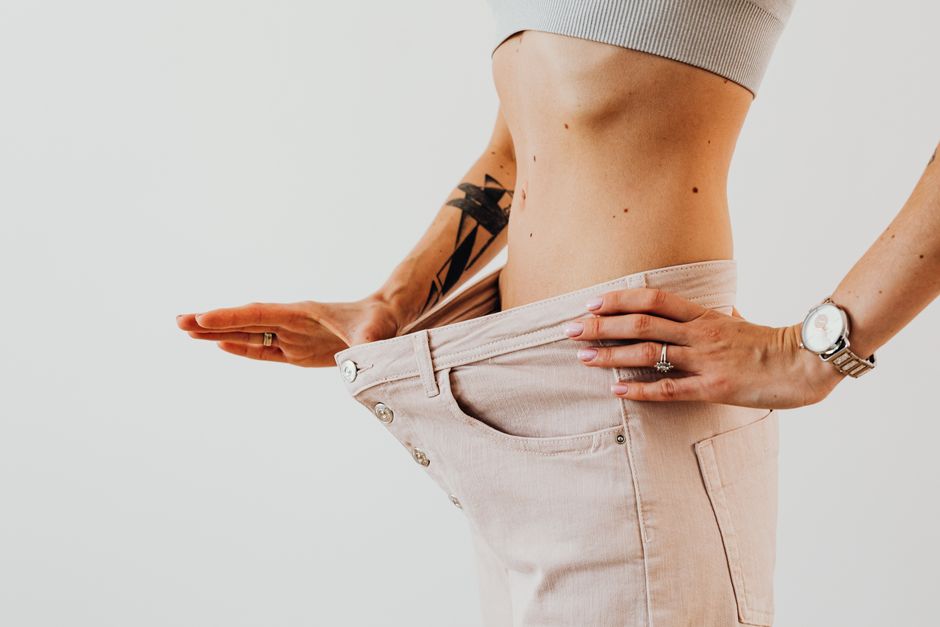
Green tea contains caffeine and catechins, two compounds that can modestly increase energy expenditure and fat oxidation. The effect is real but small — typically adding up to only a slight edge in daily calorie burn, not dramatic weight loss on its own. The honest takeaway is that green tea may support weight management when combined with a reduced-calorie diet and regular physical activity, but it is not a stand-alone solution.
How Does Green Tea Help You To Lose Weight?
Green tea is made from the leaves of the Camellia sinensis plant. Unlike black tea, the leaves are heated or steamed soon after harvest. This stops oxidation and preserves high levels of catechins — particularly one called epigallocatechin gallate, or EGCG.
Two components are thought to matter most for body weight:
- Caffeine — a mild stimulant that raises resting energy expenditure and can slightly increase fat burning.
- Catechins (EGCG) — polyphenols that may work with caffeine to influence how the body uses fat for fuel.
When you consume green tea, these compounds interact with the sympathetic nervous system and with enzymes involved in fat metabolism. The proposed result is that the body burns a few more calories at rest and shifts slightly toward using fat as fuel. Research suggests this thermogenic effect is genuine but small. It varies widely between people and tends to be smaller in those who are obese than in lean individuals.
There is also a separate idea that green tea catechins might reduce the absorption of dietary fat. The evidence for this in humans is weak and inconsistent. Most of the measurable effect appears to come from the modest increase in energy expenditure, not from blocking fat absorption.
How Much Weight Can Green Tea Actually Help You Lose?
Meta-analyses of randomized controlled trials — the strongest type of study for this question — have generally found that green tea or green tea extract produces a small reduction in body weight compared with a control. The average difference is typically on the order of a fraction of a kilogram over several weeks to a few months, and results vary between studies.
That is not nothing, but it is far from the large losses implied by many supplement ads. A few important points:
- The effect is small and often not statistically significant in every trial.
- Results are inconsistent — some studies show a benefit, others do not.
- Any benefit is most likely to appear alongside a reduced-calorie diet and exercise, not in isolation.
- Green tea is not a substitute for the fundamentals of weight management.
If someone drinks green tea instead of a sugary soda or a high-calorie coffee drink, the calorie savings from the swap can easily be larger than any metabolic effect of the tea itself. That substitution effect is often overlooked.
Does Green Tea Burn Belly Fat Specifically?
No credible evidence shows that green tea targets belly fat specifically. Fat loss from any intervention happens across the body according to genetics, hormones, and overall energy balance — not in one chosen spot.
Some studies have measured small changes in waist circumference or visceral fat with green tea or green tea extract, but the changes are generally modest and not consistently reproduced. Claims that a specific tea “melts belly fat” are marketing, not science. Reducing overall body fat — through a calorie deficit and activity — is what reduces belly fat over time.



Green Tea vs. Green Tea Extract Supplements
Most of the positive findings in research come from concentrated green tea extract, not from brewed tea. That matters, because a cup of tea delivers a much smaller dose of catechins and caffeine than a capsule does.
This creates a trade-off. Extracts may deliver a more measurable metabolic effect, but they also carry more risk. High-dose green tea extract has been linked to liver injury in a small number of people, and regulatory bodies have issued safety warnings about certain concentrated products. Brewed green tea has a long history of safe use at typical intakes; concentrated supplements do not carry the same reassurance.
If you are considering a supplement, that is a conversation to have with a clinician — especially if you have liver conditions, take medications, or are pregnant or breastfeeding. No clinical guidelines currently exist establishing a safe or effective green tea extract dose for weight loss in pregnant women, infants, or children.
How to Drink Green Tea for Weight Management
There is no officially established “weight loss dose” of green tea. What follows is general guidance based on typical intakes studied and on common sense, not a prescription.
- Drink it plain. Skip sugar, honey, and flavored syrups — those add calories that cancel out any benefit.
- Watch the caffeine. Green tea contains caffeine, though less than coffee. If you are sensitive to caffeine or drink it late in the day, it can disrupt sleep — and poor sleep works against weight management.
- Use it as a replacement. Swapping a sugary drink for unsweetened green tea is one of the most reliable ways it helps.
- Be realistic. A few cups a day is a reasonable habit. It will not produce large weight loss by itself.
One clarification worth knowing: “green tea” products vary enormously. Bottled green teas are often loaded with sugar. Matcha is a concentrated form of green tea and delivers more catechins per serving than steeped leaves, but the same caveats apply. The label matters more than the color of the liquid.
What Else Matters More Than Green Tea
Green tea is a minor lever. The major levers for weight loss are well established and far more powerful:
- Energy balance. Eating fewer calories than you burn is the core requirement for weight loss.
- Protein and fiber. Both help with satiety, making a calorie deficit easier to sustain.
- Physical activity. Movement supports energy balance and helps preserve muscle during weight loss.
- Sleep and stress. Both influence appetite hormones and eating behavior.
- Consistency over time. Short bursts rarely produce lasting results.
Green tea can be a pleasant, low-calorie part of that picture. It is not the picture. Anyone hoping a few cups a day will offset a poor diet or a sedentary routine will be disappointed — and that is the honest position, not a discouraging one.
Is Green Tea Safe to Drink Every Day?
For most healthy adults, drinking green tea daily is considered safe and has been consumed for centuries. The main considerations are caffeine and, for supplements, the higher catechin doses.
Caffeine can cause jitteriness, a racing heart, upset stomach, and trouble sleeping in sensitive people. Green tea also contains compounds that can reduce iron absorption from plant foods, which matters most for people at risk of iron deficiency — drinking tea between meals rather than with iron-rich meals can help.
Concentrated green tea extract is a different category. Because of reports of liver injury, some regulators advise caution with high-dose products. If you take any supplement, tell your clinician, and stop and seek medical advice if you develop symptoms like yellowing of the skin or eyes, dark urine, or unexplained fatigue.
Frequently Asked Questions
How much green tea should I drink to lose weight?
No official weight-loss dose exists, but most studied intakes fall in the range of a few cups per day. The effect is small regardless of amount, so more is not dramatically better.
Does green tea really burn fat?
Green tea can slightly increase energy expenditure and fat oxidation, mainly due to caffeine and catechins. The effect is real but modest and varies between people.
Can green tea help me lose belly fat?
No evidence shows green tea targets belly fat specifically. Fat loss happens across the body based on overall energy balance, not in one spot.
Is green tea extract better than drinking green tea for weight loss?
Extract delivers a higher dose and shows up more in research, but it also carries more risk, including rare liver injury. Brewed tea is the safer everyday choice.
