
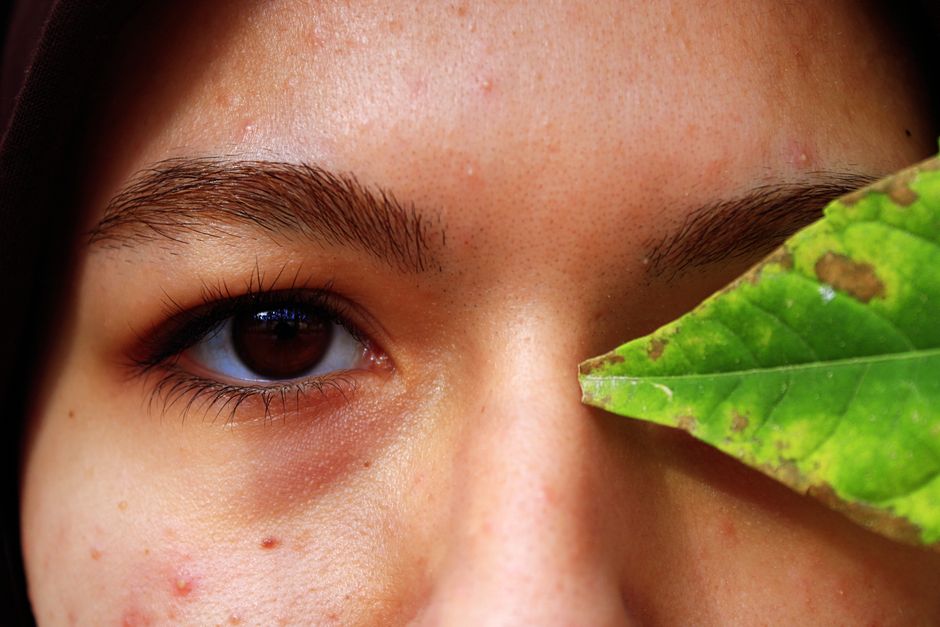
Dandruff does not stay neatly on your scalp. The same flaking process can show up in your eyebrows, along the sides of your nose, and behind your ears. Getting rid of eyebrow dandruff usually means treating it like a skin condition rather than a hair problem — using an anti-yeast or anti-inflammatory product on the skin itself, and then keeping up a maintenance routine, because the yeast and oil that drive flaking do not disappear for good.
For most people, eyebrow flaking is seborrheic dermatitis, a common inflammatory condition linked to Malassezia yeast that lives on everyone’s skin. It is not caused by poor hygiene, and it is not contagious. It tends to come back, so the realistic goal is control, not a one-time cure.
What Actually Causes Flaking In Your Eyebrows?
Seborrheic dermatitis is the most common cause of flaking eyebrows. It happens in oil-rich areas of the face, and your eyebrows sit right in that zone.
The mechanism is fairly well understood. Malassezia is a yeast that lives on normal human skin. In people who develop seborrheic dermatitis, the skin reacts to the yeast with inflammation — redness, itching, and flaking. Oil production feeds the yeast. That is why the condition shows up where sebaceous glands are dense: the scalp, eyebrows, the creases beside the nose, and behind the ears.
Several things can trigger a flare or make it worse:
- Cold, dry weather
- Stress
- Sleep deprivation
- Certain medications
- Hormonal shifts
Other conditions can look similar. Eczema, psoriasis, contact dermatitis from a cosmetic product, and a fungal infection can all produce eyebrow flaking. If your flaking does not respond to standard dandruff treatment, or if it spreads, that is a reason to see a dermatologist rather than keep guessing.
How To Get Rid Of Eyebrow Dandruff And Keep It Gone
Treatment works on two fronts: clearing the flare, then preventing the next one. Skipping the second step is why most people think nothing works.
Over-the-counter dandruff shampoos are the standard first-line approach, and they work on eyebrows too — you are treating skin, not hair. The active ingredients fall into a few categories:
- Ketoconazole — targets the yeast directly
- Zinc pyrithione — reduces yeast and flaking
- Selenium sulfide — slows yeast growth
- Salicylic acid — helps lift existing scale
- Coal tar — reduces inflammation and flaking
How you apply matters as much as what you use. Work a small amount into the eyebrow area with your fingertips, leave it on the skin for the time listed on the label, then rinse thoroughly. Avoid getting shampoo directly in your eyes. Some people find it easier to apply with a cotton swab to keep it controlled and away from the lash line.
Frequency depends on the product and how stubborn your flaking is. Many people start with a few times a week and taper to once a week or every other week once things clear. Follow the label, and if your skin becomes irritated, back off.
If over-the-counter products do not control it, a dermatologist may prescribe a topical steroid to calm inflammation during a flare, sometimes combined with an antifungal. Steroids are not meant for long-term daily use on the face — prolonged use can thin the skin. That is a reason to have a clinician guide this rather than self-treat indefinitely.
Do You Have To Use Dandruff Shampoo On Your Eyebrows?
Yes, if the cause is seborrheic dermatitis. The shampoo is doing the work on your skin, so it needs to touch the skin — not just the eyebrow hairs.
A common mistake is treating the scalp only and wondering why the eyebrows stay flaky. The scalp, eyebrows, and the creases around the nose are often involved together, so treating all the affected areas at once tends to work better than spot-treating one spot.
Some people also benefit from gentle removal of built-up scale. A soft brush or washcloth used lightly can help, but scrubbing hard irritates skin and can make redness worse. Be gentle. The goal is to loosen scale, not to scrub it off.
If you wear eyebrow makeup or use brow gels, consider whether a product might be contributing. Contact dermatitis from cosmetics can mimic dandruff. A simple test is to pause new products for a couple of weeks and see whether things improve.



Why Does Eyebrow Dandruff Keep Coming Back?
Because the yeast is still there. Seborrheic dermatitis is a chronic, relapsing condition for many people. Clearing a flare does not remove the underlying tendency.
This is the part most people get wrong. They treat until the flaking stops, then stop treating entirely — and it returns within weeks. Maintenance is not optional if you want to keep it gone.
A reasonable maintenance approach is to keep using an anti-dandruff product on the affected areas on a regular schedule, even when skin looks clear. Some people need it weekly; others need it less often. You can adjust based on how your skin responds.
It also helps to know your triggers. If cold weather sets off a flare every winter, you can start maintenance before it hits. If stress is a factor, that is useful information — not because stress is the cause, but because it can tip a manageable situation into a flare.
What Makes Eyebrow Dandruff Worse?
Several everyday habits and conditions can aggravate it.
Harsh skincare products are a common culprit. Strong exfoliants, alcohol-based toners, and abrasive scrubs can damage the skin barrier and increase irritation. If your skin is already inflamed, stripping it further tends to backfire.
Not moisturizing can also worsen things. Dry, cracked skin is more irritated and more prone to flaking. A gentle, fragrance-free moisturizer can help support the skin barrier, though it will not treat the yeast itself.
Other factors worth noting:
- Hot water and frequent washing can dry and irritate skin
- Heavy, occlusive brow products may trap oil and irritate skin
- Skipping treatment once skin clears leads to relapse
- Picking or scratching at flakes worsens inflammation
One clarification worth making: dandruff is not caused by dryness, even though dry skin can also flake. Seborrheic dermatitis is driven by oil and yeast, so heavy moisturizing alone will not fix it. Moisturizer supports the skin; it does not address the cause.
When Should You See A Doctor About Eyebrow Flaking?
See a dermatologist if over-the-counter treatment does not help after a reasonable trial, if the flaking is severe or spreading, or if you have redness, swelling, or signs of infection.
You should also get it checked if the diagnosis is unclear. Several conditions look similar, and treating the wrong one wastes time. A clinician can usually tell seborrheic dermatitis apart from eczema, psoriasis, or contact dermatitis by examining the skin and asking about your history.
If you have a condition that affects your immune system, or if you are on immunosuppressive medication, seborrheic dermatitis can be more persistent and may need medical management.
One more consideration: if flaking comes with hair loss in the eyebrow area, that is a different picture and worth a prompt evaluation. Seborrheic dermatitis itself does not typically cause eyebrow hair to fall out.
Can You Prevent Eyebrow Dandruff From Returning?
You can reduce how often it comes back, but you cannot guarantee it never returns. The underlying tendency stays.
Prevention comes down to consistency and avoiding irritants. Keep using your anti-dandruff product on a maintenance schedule. Keep your skincare gentle and fragrance-free where possible. Manage the triggers you can control.
Some evidence suggests that Malassezia levels and skin oil production both play a role, which is why products that target the yeast tend to be more effective long-term than products that only remove scale. Removing flakes without addressing the yeast is a temporary fix.
If you find a routine that works, stick with it. The people who keep eyebrow dandruff away are usually the ones who kept treating after the flakes disappeared.
Frequently Asked Questions
Is eyebrow dandruff the same as scalp dandruff?
It is usually the same condition — seborrheic dermatitis — just in a different location. The same anti-dandruff ingredients that work on your scalp generally work on your eyebrows.
Can I use regular dandruff shampoo on my eyebrows?
Yes, most over-the-counter dandruff shampoos are intended for use on skin, including the eyebrow area. Apply carefully to avoid getting it in your eyes, and follow the label instructions.
How long does it take to clear up eyebrow dandruff?
Many people see improvement within a few weeks of consistent treatment, though this varies. If there is no improvement after a reasonable trial, see a dermatologist.
Will eyebrow dandruff go away on its own?
It can improve on its own, but seborrheic dermatitis tends to come back without ongoing treatment. Maintenance is usually needed to keep it under control.
