
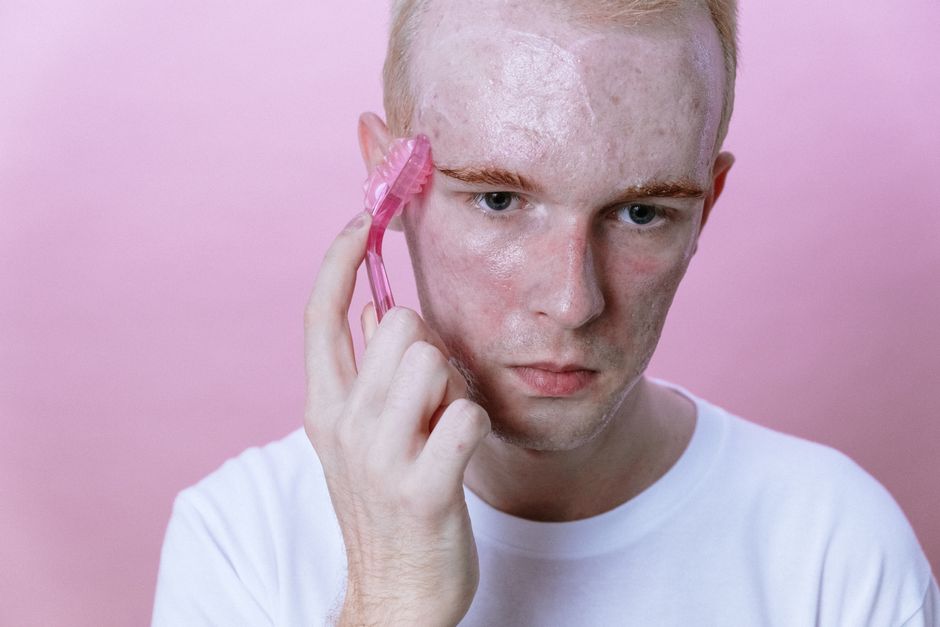
Chin acne is a common and frustrating problem for many adults. It happens because the chin area has a high number of oil glands, and those glands are very sensitive to hormones. For most people, the root cause is a combination of hormonal fluctuations, blocked pores, and bacteria, but the specific triggers and the best treatments depend on your age, sex, and skin type.
Why Do You Get Chin Acne? Causes And Treatments
Chin breakouts are often driven by androgens, which are male sex hormones that both men and women have. These hormones stimulate the sebaceous glands to produce more oil. When that excess oil mixes with dead skin cells, it can clog the hair follicle. If bacteria that normally live on the skin get trapped inside the clogged pore, it causes inflammation and a pimple forms.
In women, this process is closely tied to the menstrual cycle. Estrogen and progesterone levels drop right before a period, which leaves androgens relatively more active. This is why many women notice breakouts appearing about a week before their period starts. The chin and jawline are particularly prone to this because the hair follicles there have more androgen receptors than other parts of the face.
For men, chin acne is often related to shaving irritation, which can disrupt the skin barrier and trigger inflammation. While hormones still play a role, the mechanical friction of a razor can turn minor clogged pores into painful, red bumps.
Is Chin Acne Always Hormonal?
Hormones are the most common trigger, but they are not the only cause. Stress is a major factor because it raises cortisol levels, which can also stimulate oil production. Your diet may contribute as well. Some research suggests that high-glycemic foods, like white bread and sugary snacks, can worsen acne in some people. Dairy, particularly skim milk, has also been linked to acne in several studies, though the evidence is not strong enough to say it affects everyone.
Your skincare routine and daily habits matter just as much. Touching your chin frequently, resting your face on your hands, or holding your phone against your chin can transfer oils and bacteria to the skin. Pillowcases and face masks that rub against the chin can also trap sweat and oil, leading to breakouts. Chin acne is rarely caused by one single thing. It is usually a combination of internal factors like hormones and external factors like friction and product buildup.
What Is the Difference Between a Pimple and an Ingrown Hair?
If you shave your chin, it is important to know the difference between acne and ingrown hairs. Acne forms inside the pore when oil and dead skin block the opening. An ingrown hair happens when a shaved hair curls back and grows into the skin. Both look like red, raised bumps, but they need different treatments.
Ingrown hairs often have a visible hair loop or dark spot in the center. They are more likely to be itchy or painful and may develop a white head of pus. Acne pimples do not have a hair in the center. If you are not sure which one you have, do not pick at it. Picking can make both conditions worse and increases the risk of scarring. A dermatologist can tell the difference quickly and recommend the right product.




Which Over-the-Counter Treatments Actually Work?
Several non-prescription ingredients have strong evidence behind them. Benzoyl peroxide kills the bacteria that cause acne and helps clear blocked pores. It is one of the most studied acne treatments available without a prescription. Salicylic acid helps exfoliate the skin and unclog pores. Adapalene is a retinoid that was originally prescription-only but is now available over the counter. It works by normalizing how skin cells shed, which prevents pores from getting blocked in the first place.
When choosing a product, start with one active ingredient at a time. Using benzoyl peroxide and adapalene together can cause severe dryness and irritation if you are new to either one. Apply a pea-sized amount to the entire chin area, not just the pimple you can see. Acne treatments prevent new breakouts by treating the whole region, not by spot-treating individual bumps.
Give any new product at least 8 to 12 weeks before judging whether it works. Acne treatments do not work overnight. They work by changing how your skin behaves over several skin cell cycles, which takes about a month each.
When Should You See a Dermatologist for Chin Acne?
If over-the-counter products have not improved your skin after about three months of consistent use, it is reasonable to see a dermatologist. You should also seek medical advice if your acne is painful, deep, or leaving dark marks and scars. These signs suggest the inflammation is severe and may need prescription treatment to prevent permanent skin damage.
For women, a sudden onset of severe acne along with irregular periods or excess facial hair may point to an underlying condition like polycystic ovary syndrome (PCOS). This is a hormonal disorder that requires medical evaluation. Do not assume your acne is normal if it comes with other symptoms. A doctor can run blood tests to check hormone levels and determine whether a condition like PCOS is driving the breakouts.
Prescription options include stronger topical retinoids, antibiotics, spironolactone for women, or isotretinoin for severe cases. These are effective, but they all have side effects and require medical supervision. Do not take someone else’s prescription acne medication. The risks are real, and the treatment must be matched to your specific situation.
What Skincare Habits Prevent Chin Breakouts?
Wash your face twice a day with a gentle cleanser. Overwashing strips the skin of natural oils, which can actually trigger more oil production. Choose a non-comedogenic moisturizer, which means it is formulated not to block pores. Even oily skin needs moisture, and skipping moisturizer can make your skin produce more oil to compensate.
Change your pillowcase at least once a week. Your face spends hours in contact with it, and oils and bacteria build up quickly. If you wear a face mask for work, wash your face after taking it off and consider changing masks when they become damp. Sweat and friction under a mask are known triggers for breakouts along the chin and jawline.
Do not pop or squeeze pimples. It is tempting, but squeezing pushes bacteria deeper into the skin. This makes the pimple larger, more inflamed, and more likely to scar. A pimple that is left alone will usually resolve in a few days. A pimple that is squeezed can take weeks to heal and may leave a permanent mark.
Does Diet Affect Chin Acne?
The link between diet and acne is real but not universal. Research has consistently found that diets with a high glycemic load can worsen acne. This means foods that spike your blood sugar quickly, such as sugary drinks, white bread, and processed snacks, may increase inflammation and oil production. Some studies also link dairy consumption to acne, but the effect is modest and varies from person to person.
There is no single acne diet that works for everyone. The most reasonable approach is to pay attention to your own skin. If you notice breakouts after eating certain foods, try eliminating them for a few weeks and see what happens. If there is no change, that food is probably not a trigger for you. Do not cut out entire food groups based on internet claims. The evidence does not support extreme elimination diets for acne.
How Long Does It Take for Chin Acne to Clear?
Individual pimples typically last 3 to 7 days if you leave them alone. However, clearing the chin area of ongoing breakouts takes longer. Most dermatologists recommend giving a consistent skincare routine at least 8 to 12 weeks before expecting visible improvement. Prescription treatments may work faster, but they still require time.
Be realistic about what “clearing” means. Acne is a chronic condition for many adults. The goal is usually to control breakouts and reduce their severity, not to achieve permanently perfect skin. Consistency is more important than intensity. A gentle routine used daily will outperform a harsh routine used sporadically.
Frequently Asked Questions
Why do I only get acne on my chin?
The chin has more androgen receptors than other facial areas, making its oil glands more reactive to hormonal changes. This is why breakouts concentrate there, especially in adult women.
Does toothpaste get rid of chin acne?
No. Toothpaste can irritate the skin and cause contact dermatitis, which looks worse than the original pimple. Use a proven acne treatment like benzoyl peroxide instead.
Can stress cause chin acne?
Yes. Stress raises cortisol levels, which can increase oil production and trigger inflammation. Managing stress may help, but it is rarely the only cause of breakouts.
Is chin acne a sign of pregnancy?
Hormonal changes in early pregnancy can cause breakouts, but acne alone is not a reliable sign of pregnancy. If you suspect pregnancy, take a test rather than relying on skin changes.
