
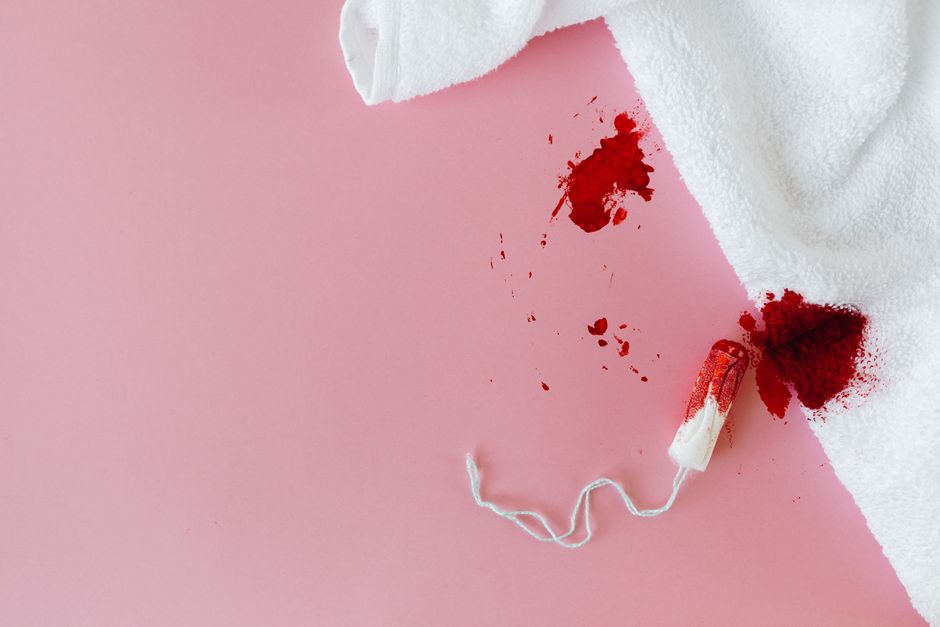
Menstrual blood leaves the body through the vagina. That is the muscular canal that runs from the cervix (the opening of the uterus) down to the outside of the body. It is not the urethra, the separate tube that carries urine from the bladder, and it is not the anus. The vagina is the only exit route for period blood.
That distinction matters more than it might seem. The urethra and the vagina sit close together, which is why some people assume there is one opening for everything. There are actually three separate openings in that area, each connected to a different system. Knowing which one does what clears up a lot of confusion about periods, urination, and how the reproductive tract is built.
Which Hole Does The Period Blood Come Out Of?
The vagina is the answer, and it helps to picture the path the blood takes before it gets there.
Each month, the lining of the uterus builds up in preparation for a possible pregnancy. If no pregnancy occurs, hormone levels drop and that lining is shed. The shed tissue and blood flow down through the cervix, into the vagina, and out of the body. The cervix is a small opening at the base of the uterus that connects it to the vagina. So the full route is uterus, then cervix, then vagina, then out.
People sometimes use the word “hole” loosely, but the vagina is not a simple puncture. It is a flexible muscular canal lined with tissue that can stretch and return to shape. That flexibility is what allows it to accommodate a tampon, a finger, penetrative sex, and eventually childbirth.
What Are the Three Openings Down There?
Three separate openings sit in the vulva, which is the external genital area. Each one belongs to a different body system and does a different job.
- Urethra. A short, narrow tube that carries urine out of the bladder. It sits above the vaginal opening.
- Vagina. The canal that connects to the uterus. This is where period blood and menstrual tissue exit.
- Anus. The opening at the end of the digestive tract, where stool leaves the body. It sits behind the vagina.
Because the urethra is short and located near the vagina, it is easy to confuse the two. But they are not connected. Urine comes from the bladder through the urethra. Period blood comes from the uterus through the cervix and vagina. The two systems run side by side but stay separate.
Can Period Blood Come Out of the Urethra?
No. Period blood cannot pass through the urethra under normal circumstances. The urethra connects to the bladder, and the bladder is part of the urinary system, not the reproductive system. There is no pathway between the uterus and the bladder.
If someone notices blood coming from the urethra, that is a different situation and worth a medical evaluation. Blood in urine, called hematuria, has its own set of possible causes, including urinary tract infection, kidney stones, or other conditions. It is not a sign of menstruation.
There is one rare exception worth knowing about, though it is uncommon. In a very small number of people, a congenital condition creates an abnormal connection between the reproductive and urinary tracts. These are present from birth and typically identified by a doctor. They are not part of normal menstrual anatomy.





Why Do Some People Think Period Blood Comes From the Urethra?
Confusion usually comes from how little most people are taught about female anatomy. Many health classes cover reproduction and urination in separate lessons without ever showing how the parts fit together. When you never see a clear diagram, it is easy to assume one opening handles everything.
Another source of confusion is the word “vagina” itself. In everyday speech, people often use it to mean the entire external genital area. Medically, the vagina is just the internal canal. The external parts, including the labia and clitoris, are collectively called the vulva. So when someone says “the vagina,” they may be pointing at a region that contains three separate openings.
Peeing and bleeding can also happen at the same time during a period, which can make it seem like they come from the same place. They do not. They are simply close together.
How Does Period Blood Differ From Regular Blood?
Menstrual fluid is not the same as the blood that comes from a cut. It is a mix of blood, tissue from the uterine lining, and mucus. That mixture is why period blood often looks thicker or darker than the blood from a scrape, and why it can appear brownish or even blackish toward the end of a period.
Those color changes are normal. Blood that has been in the body longer tends to look darker because it has had more time to be exposed to oxygen. A period that starts bright red and ends brown is not a warning sign on its own.
Clotting is also common. Small clots in menstrual fluid are typical, especially on heavier days. The body usually releases anticoagulant proteins in the uterus to keep the flow liquid, but when flow is fast, some clotting can still happen. Large clots, or clots larger than a quarter, are something to mention to a doctor, though the specific size threshold can vary and is best discussed with a clinician.
What Else Should You Know About the Vagina and Periods?
The vagina is self-cleaning. It maintains its own balance of bacteria and a slightly acidic environment that helps keep harmful organisms in check. That is why douching and scented feminine products are generally discouraged by clinicians. They can disrupt that balance and make infections more likely.
Menstrual products work by catching or absorbing the flow as it leaves the vagina. Pads sit outside the body against the vulva. Tampons and menstrual cups are inserted into the vaginal canal. All of them are placed in the vagina, not the urethra, which is far too small to hold them.
One practical point: if a tampon or cup feels like it is in the wrong place or causes pain, it may not be inserted far enough or at the right angle. The vagina angles slightly toward the lower back, not straight up. Reading the instructions that come with the product usually helps.
Period blood is not dirty or toxic. It is normal tissue and fluid leaving the body as part of a healthy cycle. The idea that menstrual blood contains toxins or poisons is a myth with no scientific support.
When Should You Talk to a Doctor About Period Blood?
Most menstrual bleeding follows a predictable pattern, but some changes are worth checking. Talk to a healthcare provider if you notice any of the following.
- Bleeding that soaks through a pad or tampon every hour for several hours in a row
- Periods that last longer than seven days
- Bleeding between periods or after sex
- Very large clots, or clots that keep coming
- Bleeding after menopause
- Severe pain that does not improve with over-the-counter pain relief
These signs do not automatically mean something is wrong. They simply mean a doctor should take a look. Many causes are treatable, and early evaluation usually makes things easier.
Frequently Asked Questions
Which hole does period blood come out of?
Period blood exits through the vagina, the muscular canal that connects the cervix to the outside of the body. It does not come out of the urethra or the anus.
Can period blood come out of the urethra?
No, period blood cannot pass through the urethra under normal circumstances because the urethra connects to the bladder, not the uterus. Blood coming from the urethra is a separate issue that should be checked by a doctor.
Is the vagina the same as the urethra?
No, they are two separate openings with different jobs. The urethra carries urine out of the bladder, while the vagina is the canal that connects to the uterus and is where period blood leaves the body.
Why does period blood look different from regular blood?
Menstrual fluid is a mix of blood, uterine lining tissue, and mucus, which makes it look thicker or darker than blood from a cut. Color changes from bright red to brown during a period are normal.
