
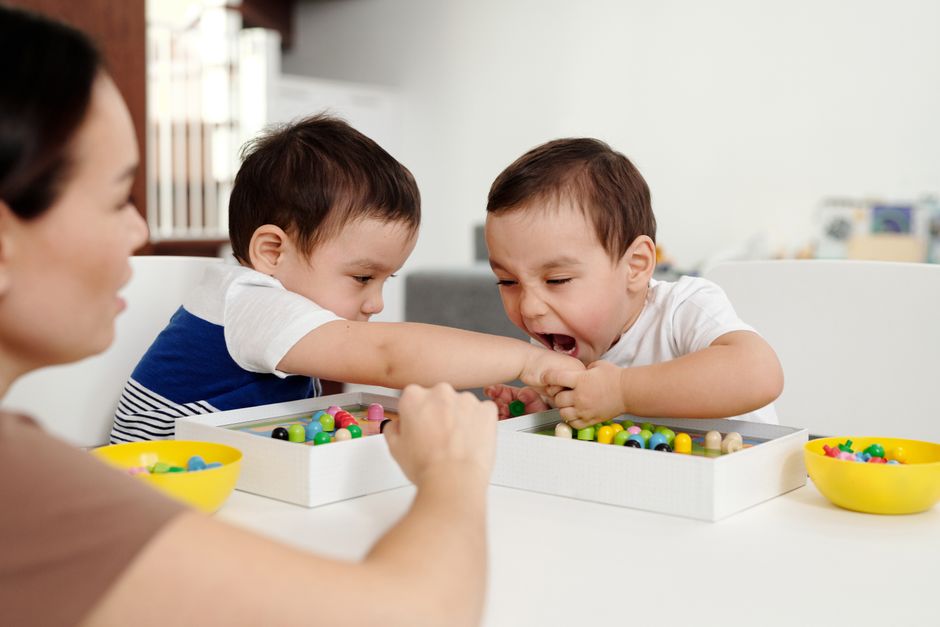
Toddlers biting themselves is alarming to watch. It looks painful and feels like a failure of your care. But this behavior is far more common than most parents realize, and in the vast majority of cases, it is a normal phase of development. Most self-biting in toddlers is a temporary response to frustration, sensory overload, or teething pain, not a sign of a serious problem. You should start to worry when the biting is frequent, causes visible injury, or is accompanied by other signs of developmental delay or emotional distress.
Why Do Toddlers Bite Themselves And When To Worry
Toddlers bite themselves for several distinct reasons. The most common cause is emotional regulation. Between ages one and three, children experience intense feelings like anger, frustration, and overstimulation, but they lack the language skills to express these emotions. Biting themselves becomes a physical release valve for that internal pressure.
A second common cause is sensory exploration. Toddlers learn through their mouths. Biting their own hand or arm is a way to explore the sensation of pressure and texture. This is similar to why they put toys and other objects in their mouths.
Teething is another frequent trigger. The pressure of biting down on a hard surface, including their own hand, can temporarily soothe sore gums. This is typically accompanied by drooling, swollen gums, and a desire to chew on everything else as well.
Occasional self-biting linked to a tantrum or a teething phase is developmentally normal. When to worry is a different question. You should seek professional guidance if the biting happens daily, if it leaves bruises or breaks the skin, if your toddler seems to bite themselves deliberately when calm, or if the behavior continues past age four.
What Causes the Behavior Developmentally?
Understanding the developmental context helps explain why this happens. A toddler’s brain is rapidly developing, but the areas that control impulse and emotion are still immature. The prefrontal cortex, which governs self-control, is not fully developed until much later in life.
When a toddler cannot verbalize “I am angry” or “I am overwhelmed,” the physical act of biting provides immediate relief. It gives them a sense of control over their bodies when they have little control over their environment. This is a primitive stress response that most children outgrow as their language skills improve.
Some toddlers also bite themselves as a form of sensory seeking. They may have a higher threshold for physical sensation and need more intense input to feel their bodies. For these children, biting provides strong proprioceptive input, which is the sense of where your body is in space.
It is important to note that self-biting is rarely a sign of self-harm in the way adults understand it. Toddlers do not have the cognitive capacity to intentionally hurt themselves as a response to emotional pain. The behavior is impulsive and reactive, not deliberate.
Is Self-Biting a Sign of Autism or Other Conditions?
Parents often worry that self-biting signals autism spectrum disorder or another developmental condition. The truth is that self-biting alone is not a reliable indicator of autism. Many neurotypical toddlers bite themselves during tantrums or teething phases.
However, self-biting can be part of a broader pattern in some children with developmental differences. In autism, self-injurious behaviors may occur more frequently and may serve a different function, such as self-regulation in response to sensory overload. Children with sensory processing disorders may also bite themselves to seek or avoid certain sensations.
The key difference is context. A toddler who bites themselves only during a tantrum and otherwise develops normally is likely fine. A toddler who bites themselves frequently throughout the day, does not respond to their name, avoids eye contact, or shows delayed speech development may need evaluation.
If you have concerns about autism or another developmental condition, discuss them with your pediatrician. They can refer you to a developmental specialist for a formal assessment. Early intervention is valuable if there is a genuine concern, but a single behavior like self-biting is rarely enough to warrant a diagnosis.





What Should Parents Do When It Happens?
Your reaction in the moment matters. The goal is to stay calm and neutral. Do not yell, punish, or give the behavior excessive attention. Toddlers often repeat behaviors that get a big reaction, even a negative one.
If your child bites themselves during a tantrum, your priority is safety. Gently hold their hand or move their arm away from their mouth. You can say something simple like “No biting” in a firm but calm voice. Then shift your focus to helping them calm down.
After the moment passes, help your child name their feelings. Say “You were really frustrated because you wanted the toy” or “You were upset when it was time to leave.” This builds the language skills that will eventually replace biting as a coping mechanism.
If the biting is linked to teething, offer a cold teething ring or a clean, damp washcloth to bite instead. This redirects the behavior to an appropriate outlet. If the biting seems sensory-related, offer crunchy snacks or firm foods like carrot sticks or apples if your child is old enough to chew them safely.
Avoid lengthy lectures. Toddlers cannot process complex explanations during or immediately after a meltdown. Short, consistent phrases work best. Over time, your child will learn that biting does not get them what they want and that there are better ways to express their needs.
When Should You Seek Professional Help?
Most self-biting resolves on its own within a few months. But some situations warrant professional input. You should contact your pediatrician if the biting causes visible injury like bruising, bleeding, or broken skin. You should also seek help if the behavior is frequent enough to interfere with daily life or childcare arrangements.
Other reasons to seek evaluation include:
- Biting that continues past age four
- Self-biting accompanied by head banging or other self-injurious behaviors
- Signs of developmental regression, such as losing language skills they previously had
- Biting that seems to occur when the child is calm, not upset
- Any concern that your child might be in physical pain from an undiagnosed medical issue
Your pediatrician can rule out medical causes like dental problems, ear infections, or skin conditions that might make biting feel soothing. They can also assess whether the behavior falls within the normal range for your child’s age.
In some cases, your pediatrician may recommend evaluation by a child psychologist, occupational therapist, or developmental specialist. These professionals can help identify underlying sensory or emotional issues and provide targeted strategies.
What Does Not Work for Stopping the Behavior?
Some common parenting strategies are ineffective and can make self-biting worse. Punishment is the most counterproductive approach. Hitting, yelling, or time-outs for a behavior that is rooted in emotional overload teaches your child that big feelings are dangerous and that they should suppress them rather than express them.
Biting your child back to show them how it feels is never appropriate. This confuses children and models the exact behavior you are trying to stop. It also damages trust and can escalate the behavior.
Ignoring the behavior entirely is also not recommended when it involves self-injury. While you do not want to reward the behavior with attention, you also cannot leave a child to bite themselves repeatedly without intervention. The approach should be to redirect calmly and consistently, not to ignore or punish.
Some viral social media advice suggests applying bitter-tasting products to the child’s hand to discourage biting. There is no clinical evidence that this is effective, and it can be distressing for the child. It also does nothing to address the underlying cause of the behavior.
How Long Does This Phase Last?
The duration of self-biting varies from child to child. For most toddlers, the behavior peaks between 18 months and two and a half years, then gradually fades as language skills improve. Once a child can say “mad” or “no” or “mine,” the need to bite themselves for communication typically decreases.
If the biting is primarily related to teething, it will come and go with each new tooth eruption. Most children have their full set of baby teeth by age three, which usually ends this particular trigger.
If the behavior remains frequent after age three, it is worth a conversation with your pediatrician. By age four, most children have developed enough impulse control and language ability that regular self-biting is no longer typical. Persistent self-injurious behavior at this age warrants a professional evaluation.
Remember that every child develops at their own pace. Some toddlers breeze through this phase in weeks. Others take months to develop the skills they need to replace biting with more mature coping mechanisms. Patience and consistency from caregivers are the most important factors in helping your child move past this stage.
Frequently Asked Questions
Is it normal for a toddler to bite themselves?
Yes, occasional self-biting is a normal developmental phase for many toddlers. It is most often a response to frustration, sensory overload, or teething pain.
When should I worry about my toddler biting themselves?
Worry if the biting causes visible injury, happens daily, occurs when your child is calm, or continues past age four. These patterns warrant a discussion with your pediatrician.
Does biting themselves mean my toddler has autism?
No, self-biting alone is not a sign of autism. Many neurotypical toddlers bite themselves during tantrums or teething phases.
What should I do when my toddler bites themselves?
Stay calm, gently move their hand away, and say “no biting” in a neutral tone. Then help them calm down and name the feeling they were experiencing.
