
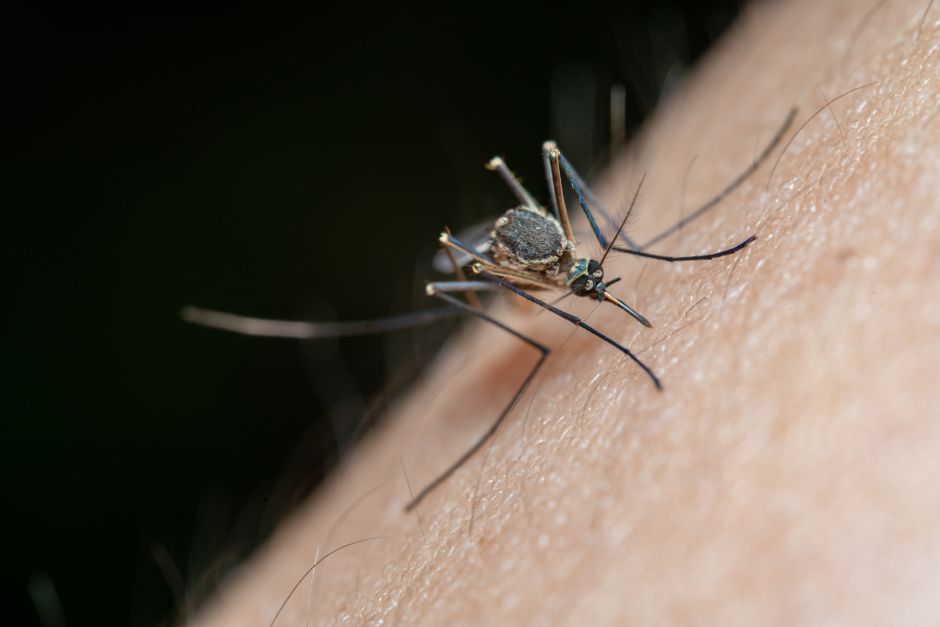
When a mosquito bites you, it does not just stab you and drink. It slides a needle-like mouthpart into your skin and pumps in its own saliva before it feeds. That saliva contains proteins that stop your blood from clotting. Your immune system recognizes those proteins as foreign invaders. It sends histamine to the site to fight them off. Histamine causes blood vessels around the bite to swell and leak fluid. That swelling irritates nearby nerves, and your brain reads that irritation as an itch. The itch is not the bite itself. It is your body fighting back.
What Exactly Happens When a Mosquito Bites You?
A mosquito does not bite in the way a tick or a bee does. It uses a long, thin proboscis that works like a tiny syringe. The tip is sharp enough to slip between your skin cells without triggering pain receptors. That is why you rarely feel the moment it happens. Once the proboscis finds a small blood vessel, the mosquito releases saliva into the wound.
That saliva is a chemical cocktail. It contains anticoagulants to keep your blood flowing, and it contains proteins that act as a mild anesthetic. The anesthetic is why some people do not notice the bite until hours later. Your body does not ignore those foreign proteins. Within minutes, your immune system sends white blood cells and histamine to the area. Histamine makes the tiny blood vessels in your skin widen. Fluid leaks into the surrounding tissue, creating a small red bump. The nerves in that bump send a signal to your brain: something is wrong here. That signal is the itch.
Not everyone reacts the same way. Some people have almost no reaction at all. Others get large, hot, angry welts. The difference comes down to how sensitive your immune system is to mosquito saliva. People who have been bitten many times often have a milder reaction because their immune system has learned not to overreact.
Why Do Some Mosquito Bites Itch More Than Others?
You have probably noticed that not all bites feel the same. A bite on your ankle might itch intensely, while a bite on your forearm barely bothers you. There are a few reasons for this. The first is the amount of saliva the mosquito injected. Mosquitoes that are interrupted while feeding may inject more saliva before they get a good blood draw. More saliva means more foreign proteins, which means a bigger immune response.
The second reason is location. Skin on your ankles, feet, and lower legs has less blood flow than skin on your torso or face. That means the histamine and fluid linger longer in those areas. The swelling stays, and the itch lasts longer. Bites near joints, like your elbow or knee, also tend to itch more because the skin there is stretched tighter over the bone. The same volume of fluid causes more nerve irritation in tight skin.
The third reason is your own immune system. If you are already fighting off a cold, or if you are stressed, your immune system may react more aggressively. Some research suggests that people with allergies or eczema have stronger reactions to mosquito bites. Current research also suggests that repeated exposure to the same species of mosquito can desensitize your immune system over time. That is why people who live in areas with lots of mosquitoes often have milder reactions than tourists.
Why Scratching a Mosquito Bite Feels So Good but Makes It Worse
Scratching an itch triggers a mild pain signal in the same nerve pathways that carry the itch signal. Your brain interprets the pain as a distraction. For a few seconds, the pain overrides the itch, and you feel relief. That is why scratching feels satisfying. But the relief is very short. Once the pain fades, the itch comes back, often stronger than before.
Scratching also damages the top layer of your skin. That damage triggers more inflammation. Your body sends more histamine and other immune chemicals to repair the scratch. More inflammation means more swelling and more nerve irritation. You end up with a bigger, itchier bump than you started with. If you scratch hard enough to break the skin, you open the door for bacteria. A mosquito bite can become infected with staph or strep bacteria from your own fingernails. An infected bite is red, hot, painful, and sometimes oozes fluid. It requires medical treatment, not just anti-itch cream.
There is also a less common but serious condition called cellulitis. This is a bacterial infection that spreads into the deeper layers of skin. It can cause fever and chills and requires antibiotics. Scratching a mosquito bite is the most common way people get cellulitis in the summer months. The best thing you can do is not scratch. That is easier said than done, but there are effective alternatives.





What Actually Stops the Itch? Evidence-Based Remedies
Not all itch remedies work. Many are based on tradition or wishful thinking. Here is what the evidence actually supports. Cold is the fastest and safest first step. An ice pack or a cold spoon pressed against the bite numbs the nerves and reduces blood flow to the area. Less blood flow means less histamine reaches the site. The effect is temporary, but it buys you time. Apply cold for ten minutes, then take a ten-minute break. Repeat as needed.
Antihistamine creams like diphenhydramine (Benadryl) work by blocking the histamine receptors in your skin. They are effective for mild to moderate itching. However, some people develop a skin allergy to the cream itself after repeated use. Oral antihistamines like cetirizine (Zyrtec) or loratadine (Claritin) work throughout your whole body. They are a better choice if you have many bites or if the itching is keeping you awake at night. Oral antihistamines take about 30 to 60 minutes to start working.
Hydrocortisone cream is a mild steroid that reduces inflammation. It is very effective for bites that are swollen and red. Use it sparingly, two to three times a day, for no more than a few days. Steroids thin the skin with prolonged use. Calamine lotion is an old remedy that actually works. It contains zinc oxide and ferric oxide. These compounds cool the skin and create a protective barrier. It is not as powerful as hydrocortisone, but it is safe to use as often as you need.
Here is a quick comparison of common remedies:
| Remedy | How It Works | Best For | Caution |
|---|---|---|---|
| Ice pack | Numbs nerves, reduces blood flow | Immediate relief, any bite | Do not apply directly to skin |
| Oral antihistamine | Blocks histamine throughout body | Multiple bites, nighttime itching | May cause drowsiness (diphenhydramine) |
| Hydrocortisone cream | Reduces inflammation | Swollen, red bites | Do not use more than a few days |
| Calamine lotion | Cools and protects skin | Mild itching, sensitive skin | Not for broken skin |
| Baking soda paste | Mildly alkaline, may neutralize irritants | Minor itching | Weak evidence, may dry skin |
Why Mosquito Bite Is Itchy: The Role of Saliva and Your Immune System
To put it plainly, the reason a mosquito bite itches is your own immune system reacting to mosquito saliva. The mosquito does not want you to itch. It wants to feed and leave unnoticed. But its saliva contains proteins that your body flags as dangerous. Your immune system releases histamine, which causes swelling, redness, and nerve irritation. That nerve irritation is the itch.
Different mosquito species have different saliva compositions. Some species trigger a stronger immune response than others. The Aedes aegypti mosquito, which carries dengue and Zika, has saliva that causes a particularly intense itch. The common Culex mosquito, which carries West Nile virus, causes a milder reaction in most people. You cannot tell which species bit you just by looking at the bump, but if the itch is severe, it may be from Aedes aegypti.
Your immune system also learns. The first time a mosquito bites you, you may have no reaction at all. The second or third time, you may develop a small red bump. After many exposures, your immune system may calm down again. This is called immune tolerance. It is why some adults who grew up in mosquito-heavy areas barely react, while visitors from drier climates get huge welts. As of 2026, researchers are studying whether exposing children to mosquito saliva proteins in a controlled way could reduce allergic reactions later in life. That research is still early, but it points to the central role your immune system plays in every itchy bite.
Common Mistakes That Make Mosquito Bites Worse
Many people reach for things that do not help or that actively make the bite worse. Heat is a common mistake. Applying a hot spoon or a hair dryer to a bite feels distracting, but heat increases blood flow to the area. More blood flow brings more histamine. The itch may feel better for a moment, but it often gets worse within minutes. Stick with cold instead.
Rubbing alcohol or witch hazel are also popular, but they dry out the skin. Dry skin is more prone to itching. These products may kill surface bacteria, but they do not address the histamine reaction underneath. They can also sting on broken skin. Another mistake is using antibiotic ointment like Neosporin on a fresh bite. Antibiotics are for bacterial infections, not for allergic reactions. They add unnecessary chemicals to the skin and can cause contact dermatitis in some people.
Perhaps the most common mistake is scratching in your sleep. You may not even know you are doing it. If you wake up with a bloody, crusted bite, you scratched it overnight. To prevent this, cover the bite with a bandage or a piece of medical tape before bed. The physical barrier reminds your brain not to scratch. You can also wear lightweight gloves to bed if you are a persistent sleep-scratcher.
When Should You See a Doctor for a Mosquito Bite?
Most mosquito bites are harmless and go away on their own within a few days. But some bites require medical attention. If the bite area grows larger than the size of a quarter, feels hot to the touch, or starts oozing yellow or green fluid, you may have an infection. Red streaks radiating away from the bite are a sign of spreading infection and need immediate treatment.
A small number of people have a severe allergic reaction called skeeter syndrome. This causes massive swelling, sometimes the size of an entire hand or foot. It can also cause fever, hives, and difficulty breathing. Skeeter syndrome is not common, but it is serious. If you or your child has this reaction, talk to a doctor about carrying an epinephrine auto-injector during mosquito season. Most people with skeeter syndrome do not outgrow it, but antihistamine medications taken before exposure can help.
If you develop a fever, headache, or body aches within a week of a mosquito bite, especially if you have traveled recently, see a doctor. These could be signs of a mosquito-borne illness like West Nile virus, dengue, or chikungunya. These illnesses are rare in the United States but are becoming more common as the climate warms. Early treatment improves outcomes for most of them.
Frequently Asked Questions
Why does scratching a mosquito bite feel good?
Scratching sends a mild pain signal that temporarily overrides the itch signal in your brain. The relief is short-lived and usually makes the itch worse afterward.
Can you be allergic to mosquito bites?
Yes, some people have a strong allergic reaction called skeeter syndrome that causes large swelling and fever. Most people have a mild allergic reaction that causes the normal red bump and itch.
How long does a mosquito bite itch last?
Most mosquito bites stop itching within three to four days as the immune response fades. Bites that are scratched or infected can last longer.
Does toothpaste help mosquito bites?
There is no clinical evidence that toothpaste stops mosquito bite itching. The cooling sensation from menthol in some toothpastes may provide temporary distraction, but it does not treat the histamine reaction.
