
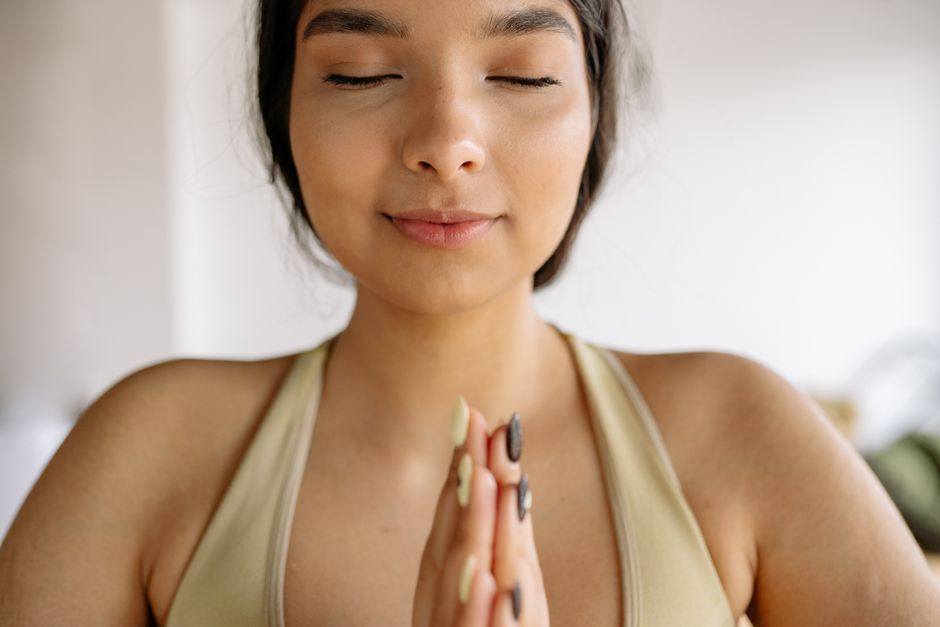
You sit down to meditate, close your eyes, and settle into your breath. Then your leg jerks. Or your thumb twitches. Or your eyelid flutters. It is distracting, and you may wonder if you are doing something wrong. You are not. Twitching during meditation is common, and it has clear physical explanations. The most common cause is your nervous system shifting from an active state to a restful one. As your body relaxes, your muscles release tension, and your nerves can fire unexpectedly. This is a normal part of the relaxation process, not a sign of failure.
Why Do I Twitch When I Meditate? The Reason
The short answer is that meditation changes how your nervous system operates. When you sit still and focus, your brain moves from a state of alertness toward a state of calm. This shift is not instant. Your body has to adjust. Part of that adjustment involves your muscles relaxing in stages. When a muscle lets go of tension it has been holding, it can twitch or spasm briefly. This is the same reason your leg might jerk as you fall asleep. The twitching is your body’s way of releasing stored physical stress.
Another factor is attention. During meditation, you notice things you usually ignore. Your heart beats. Your stomach gurgles. Your muscles make tiny adjustments. These micro-movements happen all the time, but you rarely notice them. When you sit quietly and pay attention, small twitches become obvious. They were always there. Meditation just makes you aware of them.
What Causes Muscle Twitching During Meditation?
Several mechanisms can cause twitching, and they often work together. The first is muscle relaxation. Muscles hold tension to keep you upright and ready to move. When you sit still for a while, your brain signals those muscles to release. The release can happen in sudden bursts, which appear as twitches.
The second mechanism involves your nerves. When your body relaxes, your peripheral nerves can become more excitable. This is a normal response. A nerve that fires without a clear command from the brain causes a muscle fiber to contract. You feel this as a twitch or a small spasm. It is harmless.
The third factor is breathing. Many meditation practices slow your breathing down. Slower breathing changes the oxygen and carbon dioxide levels in your blood. This can affect nerve excitability. Some people are more sensitive to this than others. If you are breathing deeply and slowly, you may notice more twitching than usual.
Finally, fatigue plays a role. If you meditate at the end of the day, your muscles are tired. Tired muscles twitch more easily. This is well established. The combination of relaxation, nerve excitability, breathing changes, and fatigue explains most meditation-related twitching.
Is Twitching During Meditation a Sign of a Problem?
In the vast majority of cases, no. Occasional twitching during meditation is a normal physical response. It is not a sign of a neurological disease. It is not a sign that you are meditating incorrectly. It is simply your body adjusting to a calm state.
However, there are situations where twitching deserves attention. If the twitching is constant, severe, or painful, you should not ignore it. If it spreads to multiple parts of your body, or if it happens when you are not meditating, that is different. Twitching that interferes with daily life is worth discussing with a doctor.
You should also pay attention to other symptoms. If twitching comes with muscle weakness, numbness, or loss of coordination, seek medical advice. These symptoms are not typical of meditation-related twitching. They point to a different cause. But for most people, a small twitch during a quiet sitting practice is nothing to worry about.




What Is the Difference Between Twitching and Tremors?
A twitch is a single, brief muscle contraction. It happens once and stops. A tremor is a rhythmic, back-and-forth movement. Tremors continue for a longer period. They look different. A twitch is like a flicker. A tremor is like a shake.
Meditation can sometimes bring out a mild tremor. This usually happens when you are holding a posture for a long time, like keeping your arms out or holding your spine upright. Muscle fatigue causes small tremors. This is different from a neurological tremor condition. Fatigue-related tremors stop when you change position or rest.
If you notice a tremor that does not go away with rest, or if it affects your hands when you are trying to use them, that warrants a medical evaluation. But a brief twitch or a slight shake from holding a posture is within normal limits.
Can Breathing Techniques Make Twitching Worse?
Yes, they can. Some meditation practices involve breath retention or very slow, deep breathing. These techniques change your blood chemistry. When you breathe slowly and deeply, you exhale more carbon dioxide. Lower carbon dioxide levels make your nerves more excitable. This can increase twitching.
This effect is temporary. Once your breathing returns to normal, your nerve excitability returns to baseline. If you find that deep breathing practices cause too much twitching, you can adjust. Breathe at a natural pace instead of forcing a slow rhythm. You can also meditate with your eyes slightly open, which changes your focus and can reduce the sensation of twitching.
Some people experience lightheadedness or tingling in the hands during deep breathing. This is related to the same carbon dioxide changes. If this happens to you, slow down. Return to normal breathing. These symptoms should pass quickly.
What Can You Do to Reduce Twitching During Meditation?
You do not need to eliminate twitching. It is normal. But if it distracts you, there are practical steps you can take.
- Stretch before you sit. Gentle stretching of the legs, neck, and shoulders can release some of the tension that causes twitching.
- Get enough sleep. Fatigue increases muscle twitching. A well-rested body is less likely to twitch.
- Check your caffeine intake. Caffeine stimulates the nervous system. High caffeine intake can increase muscle twitching. Reducing it, especially in the afternoon, may help.
- Adjust your posture. If you are holding a position that strains a muscle, that muscle will twitch. Shift to a more comfortable position.
- Do not fight it. When you notice a twitch, acknowledge it and return your attention to your breath. Fighting the twitch creates tension, which leads to more twitching.
These steps do not guarantee that twitching will stop. They simply reduce the likelihood. The goal of meditation is not to be perfectly still. The goal is to observe what is happening without judgment. A twitch is just something to notice.
When Should You See a Doctor About Twitching?
Most meditation-related twitching does not require medical attention. But you should see a doctor if you notice any of the following:
- Twitching that persists for weeks or gets worse over time
- Twitching that spreads to multiple muscle groups
- Twitching accompanied by muscle weakness or wasting
- Twitching that interferes with walking, gripping, or speaking
- Twitching that happens even when you are fully relaxed and not meditating
These symptoms are not typical of a normal relaxation response. They may indicate a neurological condition that requires evaluation. Conditions like benign fasciculation syndrome, electrolyte imbalances, or nerve compression can cause persistent twitching. A doctor can determine the cause.
There is no need to rush to a doctor for a single twitch during meditation. But if your body is sending persistent signals, it is worth listening.
Does Twitching Mean You Are Meditating Deeply?
Some online sources claim that twitching is a sign of deep meditation or spiritual progress. There is no scientific evidence to support this. Twitching is a physical response, not a spiritual marker. It happens because your body is relaxing. It does not indicate that you have reached a higher state of consciousness.
That said, twitching can be more noticeable during deeper relaxation. When your mind is quieter, your body can release tension more fully. So twitching might occur during a calm meditation session. But it is not a measure of depth or success. Some people meditate deeply and never twitch. Others twitch every time. Neither is better.
Treat twitching as information, not as a score. It tells you that your body is relaxing. That is all it tells you.
Frequently Asked Questions
Is twitching during meditation normal?
Yes, it is normal. It is a sign that your nervous system is shifting into a relaxed state and your muscles are releasing tension.
Why does my leg jerk when I meditate?
A leg jerk is usually a muscle releasing stored tension. The same reflex causes your leg to jerk as you fall asleep.
Can meditation cause permanent twitching?
No. Meditation-related twitching is temporary and stops when you finish your session. Persistent twitching outside of meditation should be evaluated by a doctor.
Should I stop meditating if I twitch?
No. Twitching is harmless. You can continue meditating and simply notice the twitch without reacting to it.
