
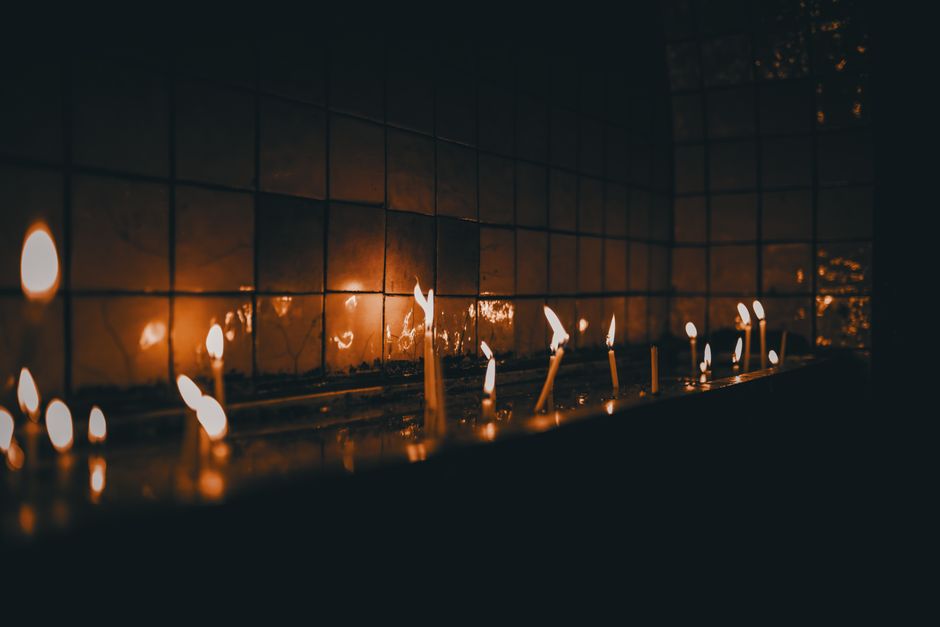
A small candle flame is almost always a sign that the wick is not getting enough fuel or oxygen to burn properly. The most common causes are a wick that is too long, a wick that is drowning in melted wax, or a draft pushing air away from the flame. Fixing the issue usually takes less than a minute once you identify which of these three problems you are dealing with.
Why Is My Candle Flame So Small Causes Fixes? The Reason
The flame size depends on a simple balance. A candle burns by pulling liquid wax up the wick through capillary action. The heat of the flame vaporizes that wax, and the vapor is what actually burns. If any part of that chain breaks, the flame shrinks.
When the wick is too long, the flame has to heat a longer column of wax. That takes more energy, so less heat reaches the flame tip and the flame gets smaller. When the wick is too short or buried in melted wax, the flame cannot pull up enough fuel. When a draft is present, the moving air cools the flame and blows the heat away from the wick, which slows the vaporization process.
Most small flame problems fall into one of these three categories. Start there before considering anything else. In most cases, a simple trim or a quick pour of excess wax will restore the flame to its normal size.
What Is a Normal Candle Flame Size?
A healthy candle flame is usually between one and two inches tall. The exact height depends on the candle size, the wick type, and the wax used. A flame that is consistently under one inch is generally considered small and worth investigating.
You should also look at the flame shape. A healthy flame is teardrop-shaped with a bright blue base and a steady yellow body. If the flame is tiny, sputtering, or leaning to one side, something is interfering with the burn. A flame that is barely flickering and producing little light is not normal for most candles.
Keep in mind that some candles are designed to burn with smaller flames. Tealights, votives, and small pillar candles naturally produce shorter flames than large jar candles. The key is whether the flame matches the candle size. A tiny flame on a large candle is a problem. A small flame on a small candle may be perfectly normal.
How to Fix a Small Candle Flame
Start with the simplest fix first. Trim the wick to about one-quarter inch, or roughly six millimeters. Use a wick trimmer or scissors. Remove any charred or mushroomed tip before lighting. This single step fixes most small flame problems because it restores the proper balance between wick length and heat output.
Next, check for excess melted wax. If the wax pool is deep and the wick appears to be drowning, pour out some of the liquid wax. Be careful — the wax is hot. Allow the candle to cool slightly before handling it. You want the wick to stand above the wax pool, not be submerged in it.
If trimming and draining do not help, move the candle to a different location. Place it away from windows, vents, fans, and air conditioning units. Even a gentle draft can shrink a flame noticeably. A candle burns best in still air.
If none of these fixes work, the wick may be damaged or the candle may be defective. Some candles have wicks that are too thin for the candle diameter. In that case, the flame will always be small, and there is no reliable home fix. The safest option is to stop burning that candle and replace it.





Why Is My Candle Flame Flickering or Sputtering?
Flickering and sputtering are different from a simply small flame. A flickering flame moves rapidly and changes size. A sputtering flame makes a crackling or popping sound. Both indicate an unstable burn.
Drafts are the most common cause of flickering. The flame is being pushed around by moving air, which makes it hard for the flame to maintain a steady burn. Move the candle to a still location and see if the flickering stops.
Sputtering usually means moisture or impurities are in the wax. Water and wax do not mix, and when water gets trapped in the wax pool, it boils and pops. This can happen if the candle was stored in a damp area or if water somehow got into the container. Sputtering can also occur if the wick contains impurities or if the candle has been burned for too long in one session.
If your candle is sputtering, extinguish it and let it cool completely. Check the wax pool for any visible water or debris. If you find water, the candle is not safe to burn and should be discarded. If the wax looks clean, trim the wick and try again in a draft-free location.
Common Candle Problems That Make the Flame Small
Some candles develop small flames because of how they were made or how they have been burned over time. Understanding these issues helps you know when a fix is possible and when it is not.
- Wick tunneling: This happens when the candle burns down the middle but leaves wax along the sides. The wick ends up in a deep hole, and the flame struggles to get enough oxygen. The fix is to burn the candle long enough on the first burn to melt the entire top surface. For most candles, that means burning for at least one hour per inch of candle diameter.
- Wick drowning: When the wax pool gets too deep, the flame cannot pull enough wax up the wick. This often happens with wide candles or candles with multiple wicks. Pouring out excess wax or using a wick dipper to reposition the wick can help.
- Wick mushrooming: A carbon buildup forms on the wick tip, creating a mushroom shape. This buildup blocks the flow of wax and reduces flame size. Trimming the wick removes the buildup and restores normal burning.
- Old or degraded wax: Over time, candle wax can absorb dust, dirt, and other particles. This changes how the wax vaporizes and can reduce flame size. If your candle is old and the flame stays small after trimming, the wax may simply be past its prime.
None of these problems are dangerous by themselves. However, a candle that burns poorly is more likely to produce excess soot or smoke. If you notice black soot forming on the glass container or on nearby surfaces, extinguish the candle and address the wick issue before burning again.
When a Small Flame Means a Safety Problem
Most small flames are a nuisance, not a danger. But there are situations where a small flame signals a real safety concern.
If the flame is so small that it barely stays lit, the candle may be producing more carbon monoxide than normal. Incomplete combustion happens when there is not enough oxygen or fuel. While a single candle is unlikely to create dangerous carbon monoxide levels in a ventilated room, you should not ignore a candle that burns poorly for an extended period.
A flame that repeatedly goes out on its own is also a concern. This can happen if the wick is too short or if the wax has completely melted around the wick. If the candle keeps extinguishing itself, stop trying to relight it. Let the candle cool, trim the wick, and remove excess wax before attempting another burn.
Never leave a burning candle unattended, regardless of flame size. Even a small flame can ignite nearby materials if the candle tips over or if the flame jumps to a nearby object. Always burn candles on a stable, heat-resistant surface away from curtains, papers, and other flammable items.
How to Prevent Small Flames in the Future
Prevention is mostly about proper candle care. Trim the wick to one-quarter inch before every burn. This single habit prevents most flame problems before they start.
Burn candles for the right amount of time. The first burn is especially important. Let the wax melt to the edges of the container before extinguishing. This prevents tunneling and keeps the wax pool even. For most candles, this takes one to two hours.
Keep candles away from drafts and vents. Even a small air current can affect the flame. Choose a stable location and keep the candle there for the entire burn.
Store candles properly when not in use. Keep them in a cool, dry place away from direct sunlight. Sunlight can fade the color and soften the wax, which affects how the candle burns. Dust can also settle on the wick, so consider covering candles or storing them in their original packaging.
Frequently Asked Questions
Why is my candle flame so small even after trimming the wick?
If trimming does not help, the wick may be drowning in melted wax or the candle may be in a draft. Check the wax pool depth and move the candle to a still location before assuming the candle is defective.
Can a small candle flame mean the candle is unsafe?
A small flame is usually not dangerous, but a flame that repeatedly goes out or produces heavy soot should be addressed. Extinguish the candle, trim the wick, and remove excess wax before relighting.
How long should I burn a candle to prevent a small flame?
Burn the candle long enough on the first use for the entire top layer of wax to melt, which usually takes one to two hours for standard candles. This prevents tunneling, which is a common cause of small flames in later burns.
Why does my candle flame get smaller the longer it burns?
This usually happens because the wick is getting too long or carbon buildup is forming on the tip. Extinguish the candle, let it cool, trim the wick to one-quarter inch, and relight.
