
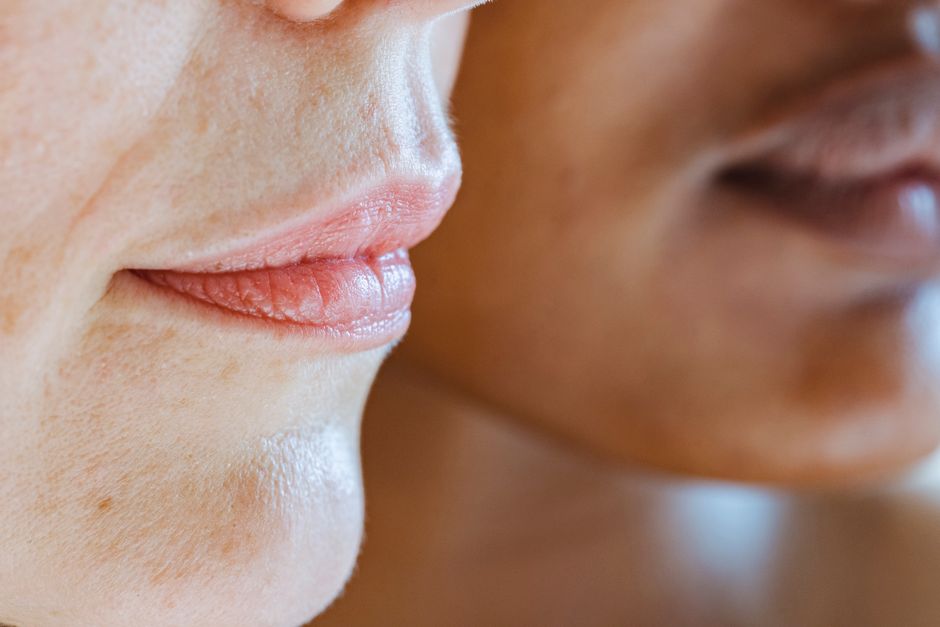
Waking up with swollen lips is unsettling, and it is natural to wonder what happened while you were asleep. The reason is often a delayed allergic reaction to something you ate the night before, or it could be from physical irritation like lip licking or mouth breathing during the night. In most cases, the swelling is temporary and not dangerous, but understanding the specific cause is the first step to preventing it from happening again.
Why Do I Have Swollen Lips When I Wake Up?
The most common reason for waking up with swollen lips is a reaction that began hours earlier. Allergic reactions to food are frequently delayed. You might eat shrimp or a nut-based sauce at dinner, go to bed feeling fine, and wake up with swollen lips because your immune system took several hours to mount a response.
Another frequent cause is physical irritation during sleep. Many people unconsciously lick their lips or bite them. Saliva contains digestive enzymes that break down the delicate skin of the lips. When saliva dries overnight, it pulls moisture out of the lip tissue, leading to dryness, cracking, and inflammation that looks and feels like swelling.
Mouth breathing is also a major factor. Sleeping with your mouth open dries out the lips continuously for hours. This creates microscopic tears in the skin, which then become irritated and swollen by morning.
What Causes Swollen Lips Overnight?
Swelling is the body’s inflammatory response to an irritant. The lips contain a dense network of blood vessels and very thin skin. When an allergen or irritant triggers the immune system, blood vessels dilate and leak fluid into the surrounding tissue. This fluid accumulation is what creates the visible puffiness.
Several specific triggers are known to cause overnight lip swelling:
- Food allergies: Common culprits include nuts, shellfish, eggs, milk, and certain fruits. Even a small amount of the allergen can trigger a response.
- Medications: Some blood pressure drugs, antibiotics, and NSAIDs like ibuprofen can cause lip swelling as a side effect.
- Lip balms and cosmetics: Flavored lip balms, toothpaste, or makeup applied before bed can contain allergens like lanolin, propolis, or fragrance.
- Mouth breathing: The constant airflow dries and irritates the lips.
- Sleep position: Pressing your face into a pillow can compress the lip tissue, causing temporary swelling upon waking.
Angioedema is the medical term for this type of deep swelling in the skin layers. It often affects the lips, eyes, and throat. When it happens only at night, it is usually because the trigger was consumed or applied in the evening.
Is It an Allergy or Something Else?
Differentiating between an allergy and irritation requires looking at the pattern. Allergic reactions tend to come on suddenly, may involve itching or a tingling sensation, and often affect both lips symmetrically. They can also be accompanied by hives elsewhere on the body.
Irritation from lip licking or mouth breathing produces a different picture. The lips typically feel dry, chapped, and sore rather than itchy. The swelling is usually milder and may be more pronounced on the lower lip, which collects more saliva.
There are also non-allergic causes to consider. Cold sores, caused by the herpes simplex virus, can cause localized swelling before the blister appears. An injury from accidentally biting your lip during sleep can also cause morning swelling. Less commonly, nutritional deficiencies such as low iron or B vitamins can cause chronic lip inflammation.
If the swelling occurs every morning without fail, it is more likely an environmental or behavioral cause than a food allergy. If it happens sporadically, a specific food or product is more likely the trigger.


How to Reduce Lip Swelling Quickly
Most mild swelling resolves on its own within a few hours. If you need to reduce it faster, a cold compress is the most effective home measure. Apply a clean cloth soaked in cold water or an ice pack wrapped in a towel to the lips for 10 to 15 minutes. The cold constricts blood vessels and reduces fluid leakage into the tissue.
An antihistamine can help if the cause is allergic. Over-the-counter options like cetirizine or loratadine work by blocking histamine, the chemical responsible for the swelling. These are most effective when taken early in the reaction.
For irritation-related swelling, stop using any flavored products on your lips. Switch to a plain, fragrance-free ointment like petroleum jelly. This creates a barrier that protects the lips from saliva and allows the skin to heal.
Avoid rubbing or scratching the swollen area. This can worsen the inflammation and increase the risk of infection if the skin is broken.
When Should You Seek Medical Help?
Most cases of morning lip swelling are harmless. However, there are situations that require immediate medical attention. If the swelling spreads to your tongue, throat, or around your eyes, it could be a sign of a severe allergic reaction known as anaphylaxis.
Seek emergency care right away if you experience any of the following along with lip swelling:
- Difficulty breathing or swallowing
- A feeling of tightness in the throat
- Hoarse voice or trouble speaking
- Dizziness or fainting
- Rapid heartbeat
These symptoms indicate the airway may be at risk. Do not wait to see if they improve.
You should also see a doctor if the swelling persists for more than 24 hours, if it is accompanied by fever, or if it keeps recurring without an obvious cause. A doctor can help identify the trigger through allergy testing or refer you to a specialist if needed.
How to Prevent Swollen Lips in the Morning
Prevention depends on identifying your specific trigger. If you suspect a food allergy, keep a food diary for two weeks. Record everything you eat and drink, especially in the evening, along with any lip symptoms the next morning. This can reveal a pattern that helps you pinpoint the culprit.
If you are a mouth breather, address the underlying cause. Nasal congestion from allergies or a deviated septum often forces people to breathe through their mouths at night. Treating nasal congestion with a saline rinse or a humidifier in your bedroom can help keep your mouth closed while sleeping.
Apply a thick layer of petroleum jelly or a fragrance-free ointment before bed. This protects the lips from saliva and prevents moisture loss. Do not use flavored or tinted lip products at night, as these may encourage licking.
Check your toothpaste and skincare products. Some people are sensitive to sodium lauryl sulfate, a foaming agent in many toothpastes. Switching to a toothpaste without this ingredient can resolve chronic lip irritation for some people.
If you take medication at night and notice a pattern of morning lip swelling, talk to your doctor. Do not stop taking prescribed medication on your own. Your doctor can determine if the medication is the cause and whether an alternative is available.
Frequently Asked Questions
Can dehydration cause swollen lips in the morning?
Mild dehydration can contribute to dry, chapped lips, but it rarely causes significant swelling on its own. Dehydration makes the lips more vulnerable to irritation from saliva and mouth breathing, which can then lead to inflammation.
How long does allergic lip swelling last?
With mild allergic reactions, swelling typically peaks within a few hours and resolves within 24 to 48 hours. Antihistamines can shorten this duration if taken early.
Why are my lips swollen but not itchy?
Swelling without itching is more likely caused by physical irritation, such as lip licking, mouth breathing, or pressure from sleeping on your face. Allergic reactions usually involve itching, but not always.
Can toothpaste cause swollen lips overnight?
Yes, toothpaste ingredients like sodium lauryl sulfate, flavorings, or preservatives can trigger contact dermatitis or allergic reactions in sensitive individuals. If you suspect toothpaste, switch to a simple, fluoride-only brand without flavoring.
Waking up with swollen lips is rarely a medical emergency, but it is your body signaling that something is off. Pay attention to the pattern. Whether it is a delayed food reaction, a habit like lip licking, or an environmental irritant, identifying the cause allows you to make simple changes that prevent the problem from recurring.
