
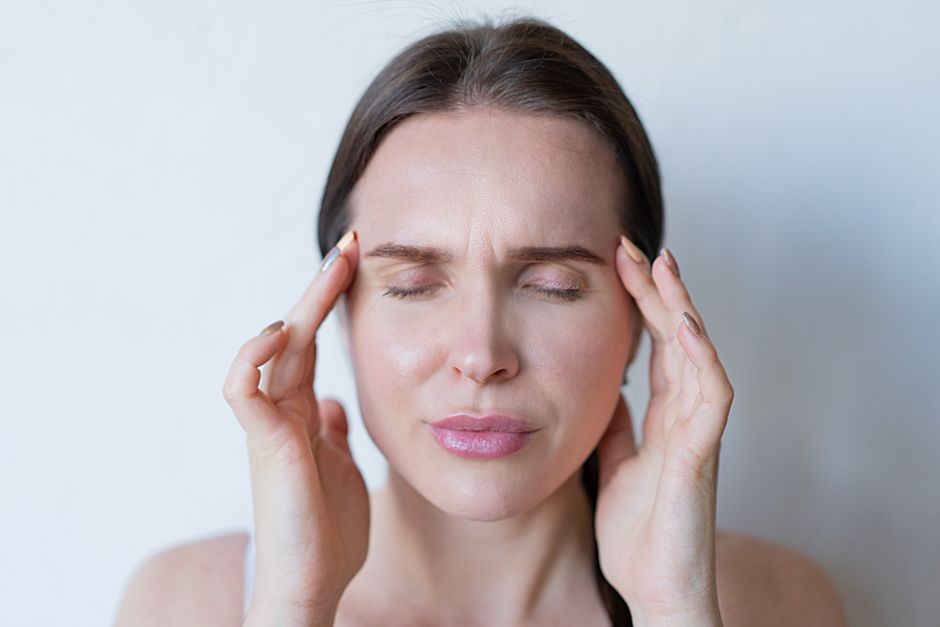
A tension headache feels like a tight band squeezing your head. It is the most common type of headache, and the pain is usually mild to moderate. The direct reason you have one is that the muscles in your scalp, neck, and shoulders become tense and contract. This muscle tension triggers pain signals that travel to your brain. The fixes focus on relieving that muscle tension, managing stress, and correcting the daily habits that cause the muscles to tighten in the first place.
What Exactly Is a Tension Headache?
A tension headache is a primary headache disorder. That means the headache itself is the condition, not a symptom of another disease. The pain typically feels like pressure or tightness on both sides of the head. It is often described as a vise or a tight band around the forehead. The discomfort is usually mild to moderate, not the severe, throbbing pain of a migraine. It does not typically cause nausea or sensitivity to light and sound, which are common migraine symptoms. Tension headaches can last from 30 minutes to several days. They can be episodic, meaning they happen occasionally, or chronic, meaning they occur 15 or more days per month.
Why Do I Have a Tension Headache Causes Fixes? The Reason Explained
The exact mechanism is not fully understood, but the leading explanation involves muscle tension. When the muscles in your neck, scalp, and shoulders stay contracted for too long, they become tender and painful. This sustained contraction is believed to be the primary driver of the pain. Research suggests that increased sensitivity in the pain pathways of the brain also plays a role. This means the brain may amplify pain signals from the muscles, making the discomfort feel worse than the physical muscle tension alone would cause. Stress is the most common trigger for this process. When you are stressed, your body releases hormones that cause muscles to tighten. Over time, poor posture, lack of sleep, and eye strain can keep those muscles in a state of chronic tension, making headaches more frequent.
What Are the Most Common Triggers?
Identifying your triggers is the first step to preventing future headaches. The most frequently reported triggers include stress, poor posture, and sleep problems. Stress is the number one trigger for most people. Work pressure, family responsibilities, and major life changes all contribute. Poor posture, especially sitting at a desk for hours with your head forward, puts constant strain on the neck and shoulder muscles. Sleep deprivation or irregular sleep schedules also increase headache frequency. Other common triggers include:
- Eye strain from staring at screens or needing a new glasses prescription
- Dehydration
- Skipping meals or fasting
- Caffeine withdrawal
- Clenching your jaw or grinding your teeth
- Cold or sinus congestion
Keeping a headache diary can help you spot patterns. Note when your headaches occur, what you ate, how you slept, and what you were doing before the pain started.





What Are the Quickest Ways to Stop the Pain?
When a tension headache strikes, the fastest relief often comes from over-the-counter pain relievers. Medications like ibuprofen, naproxen, or acetaminophen are commonly effective. These are known as nonsteroidal anti-inflammatory drugs (NSAIDs) for ibuprofen and naproxen, and they work by reducing inflammation and pain signals. Acetaminophen works on pain pathways in the brain. Take them at the first sign of pain for the best effect. Follow the dosing instructions on the label exactly. Do not take them more than two or three days a week on a regular basis, as this can lead to medication-overuse headaches. Along with medication, applying a heating pad to your neck and shoulders can relax tense muscles. A cold pack on your forehead can numb the pain. Resting in a quiet, dark room can also help, especially if the headache is accompanied by mild sensitivity to light.
How Can You Prevent Tension Headaches?
Prevention focuses on breaking the cycle of muscle tension. Regular physical activity is one of the most effective strategies. Exercise releases endorphins, which are natural painkillers, and it helps reduce stress. Aim for at least 30 minutes of moderate exercise most days of the week. Consistent sleep is equally important. Go to bed and wake up at the same time every day, even on weekends. Poor sleep quality directly increases headache frequency. Stress management is not optional. Techniques like deep breathing, meditation, or progressive muscle relaxation can lower your body’s stress response. These practices train your body to release muscle tension rather than hold it. Hydration matters as well. Dehydration is a known headache trigger, so drink water consistently throughout the day, especially if you are active or it is hot outside.
Does Posture Really Matter for Headaches?
Posture matters more than most people realize. The average human head weighs about 10 to 12 pounds. When you hold your head forward, looking at a screen, the weight on your neck muscles increases significantly. This forces the muscles in your neck and upper back to work harder to support your head. Over time, these muscles become fatigued and tight. That tension then radiates up into the scalp, triggering a headache. Correcting your posture can reduce the frequency and intensity of these headaches. When sitting, keep your ears aligned over your shoulders. Your shoulders should be relaxed, not hunched up toward your ears. Your computer screen should be at eye level so you do not tilt your head down. Take breaks every 30 to 60 minutes to stand, stretch your neck, and roll your shoulders.
When Should You See a Doctor?
Most tension headaches can be managed at home. But you should see a doctor if your headaches change in pattern or severity. Seek immediate medical attention if you have a sudden, severe headache that feels like the worst headache of your life. This can be a sign of a serious condition. Also seek help if your headache is accompanied by a stiff neck, fever, confusion, seizures, double vision, or weakness. These symptoms can indicate a more serious underlying problem. If you have headaches that occur more than 15 days a month, or if over-the-counter medications are not helping, make an appointment. A doctor can rule out other causes of your pain and may prescribe preventive medications or refer you to physical therapy for muscle tension.
What Are the Differences Between Tension Headaches and Migraines?
Distinguishing between the two is important because treatments differ. Tension headaches cause a pressing or tightening pain on both sides of the head. The pain is mild to moderate. Migraines typically cause moderate to severe throbbing pain, often on one side of the head. Migraines are frequently accompanied by nausea, vomiting, and sensitivity to light and sound. Some people experience an aura before a migraine, which involves visual disturbances like flashing lights or blind spots. Tension headaches do not cause auras. The table below summarizes the key differences.
| Feature | Tension Headache | Migraine |
|---|---|---|
| Pain type | Pressing, tightening | Throbbing, pulsating |
| Location | Both sides of head | Often one side |
| Severity | Mild to moderate | Moderate to severe |
| Nausea | Rare | Common |
| Sensitivity to light/sound | Uncommon | Common |
| Aura | Never | Possible |
If your headaches match the migraine pattern, talk to your doctor. Migraine treatment requires a different approach and often benefits from prescription medications.
Are There Natural Remedies That Work?
Some natural approaches have evidence behind them, while others do not. Regular exercise is the most proven natural preventive method. It reduces stress and releases pain-relieving endorphins. Relaxation techniques like meditation and biofeedback have also shown benefit in clinical studies for reducing headache frequency. Biofeedback teaches you to control physical processes like muscle tension. Some research suggests that supplements like magnesium and riboflavin (vitamin B2) may help prevent migraines, but the evidence for tension headaches specifically is less clear. No large clinical trials have confirmed that these supplements prevent tension headaches. Essential oils like peppermint oil applied to the forehead and temples have shown some benefit in small studies for tension-type pain. The evidence is limited but promising. None of these natural remedies should replace standard medical treatment if your headaches are frequent or severe.
Can Stress Management Actually Cure Headaches?
Stress management does not cure tension headaches, but it can dramatically reduce how often they happen. The link between stress and tension headaches is strong. Stress causes muscle contraction and activates pain pathways in the brain. By lowering your overall stress level, you reduce the frequency of those triggers. Cognitive behavioral therapy (CBT) is one of the most effective non-drug treatments for chronic tension headaches. CBT helps you change how you respond to stressful situations. It teaches you to recognize early signs of tension and intervene before a full headache develops. This is not about eliminating stress from your life. That is impossible. It is about changing your physical and emotional response to stress so your muscles do not tighten into a headache.
Frequently Asked Questions
What is the fastest way to relieve a tension headache?
Over-the-counter pain relievers like ibuprofen or acetaminophen are the fastest medical option. Applying a heating pad to your neck and shoulders can also relax the tense muscles quickly.
Can dehydration cause a tension headache?
Yes, dehydration is a known trigger for tension-type headaches. Even mild dehydration can cause the brain to temporarily shrink and pull away from the skull, which triggers pain receptors.
How long does a tension headache usually last?
A tension headache typically lasts from 30 minutes to several hours. Some can persist for up to a week, but that is less common.
Is it safe to take pain relievers every day for tension headaches?
No, taking pain relievers more than two or three days a week can lead to medication-overuse headaches. This happens when the medication itself starts causing the pain it is meant to treat.
