
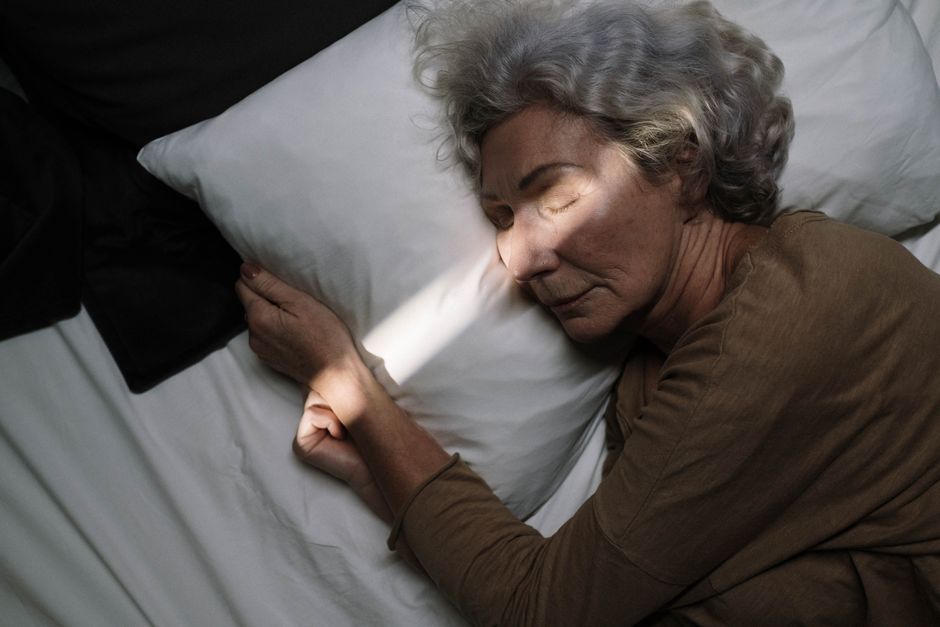
Sleeping with asthma can be a nightly struggle. Nocturnal asthma — symptoms that flare between midnight and 4 a.m. — affects most people with the condition at some point. The right sleep position can help you breathe easier. The best positions are sleeping with your head and chest elevated (using extra pillows or a wedge) and sleeping on your side, preferably your left side. Avoid lying flat on your back and never sleep face down, as both can make it harder to keep your airways open.
Why Does Asthma Get Worse at Night?
Nighttime asthma triggers are common. Your body’s natural circadian rhythms cause a dip in lung function around 2 a.m. to 6 a.m. Airways narrow slightly even in people without asthma. For someone with asthma, this natural dip can push symptoms over the edge.
Other factors add up at night. Dust mites and pet dander collect in bedding. Lying down changes how mucus and blood move in your chest. Some people also have acid reflux that irritates the airways when they lie flat. All of this makes nocturnal asthma a mix of biological timing and environmental triggers.
What Sleeping Positions Help Asthma?
Three positions are well supported by clinical experience and basic physiology:
- Head-elevated position — Place a wedge pillow or 2–3 regular pillows under your head and upper back so your chest is raised 30–45 degrees. This uses gravity to keep your airways open and helps prevent mucus pooling in the throat.
- Left-side sleeping — Lying on your left side reduces pressure on the diaphragm and can lower the chance of acid reflux entering the esophagus. Reflux is a known asthma trigger.
- Side sleeping (either side) — Any side position is better than lying flat. Side sleeping keeps the airway from collapsing under gravity and allows your chest to expand more freely.
Avoid sleeping on your back (supine). In this position your tongue and soft tissues can fall back and narrow the airway. Also avoid lying face down (prone) — it restricts your diaphragm and chest wall movement.
Does Sleeping Position Affect Asthma Physiology?
Yes, and the reasons are rooted in anatomy. When you lie flat, your diaphragm is pushed upward by abdominal contents. This reduces how much air your lungs can hold. Blood also shifts into your chest, which can worsen congestion.
Elevating your head and chest does more than just feel more comfortable. It opens the upper airway, reduces the work of breathing, and helps drain mucus from your lungs into your throat where you can clear it. Side sleeping, especially on the left, keeps the stomach below the esophagus, reducing reflux. Since up to 70 % of people with asthma also have GERD, this connection matters.




What Other Tips Can Improve Sleep with Asthma?
Position alone may not be enough. Consider these additional strategies that work alongside better sleep posture:
- Use your controller medication as prescribed — Inhaled corticosteroids are the mainstay of asthma control. Taking them in the evening may help prevent nighttime attacks, but follow your doctor’s instructions. Do not change timing on your own.
- Keep allergens low in the bedroom — Wash bedding weekly in hot water, use dust-mite-proof covers, and keep pets out of the bedroom.
- Use a humidifier or dehumidifier — Dry air can irritate airways. Aim for humidity between 30 % and 50 %. Too much humidity grows mold and dust mites.
- Consider a wedge pillow — A foam wedge (6–8 inches high) is firmer than stacking pillows and won’t slide overnight.
- Treat reflux if present — Avoid eating within three hours of bedtime. Over-the-counter antacids or a prescribed acid reducer may help. Discuss with your doctor.
How Do You Know if Your Sleeping Position Is Helping?
The most direct way is to track your symptoms. Keep a simple log of how often you wake up coughing or short of breath and whether your peak flow meter reading drops in the morning. A morning drop of 10 % or more is a sign of nighttime asthma.
If changing your sleep position does not reduce nighttime awakenings within one to two weeks, talk to your doctor. You may need a medication adjustment or an evaluation for other issues like obstructive sleep apnea, which often occurs alongside asthma.
Can Sleeping Position Alone Replace Asthma Medication?
No. Position can help you breathe more comfortably at night, but it does not treat the underlying airway inflammation. Asthma is a chronic inflammatory condition of the bronchial tubes. Only controller medications like inhaled corticosteroids reduce that inflammation. Rescue inhalers open the airways during an attack but do not prevent attacks. Sleep position is a supportive measure, not a substitute for medical treatment.
Frequently Asked Questions
Is it better to sleep on your side or stomach with asthma?
Side sleeping is better. Sleeping on your stomach restricts your diaphragm and makes breathing harder.
How many pillows should I use for asthma at night?
Aim to raise your head and chest about 30 to 45 degrees — usually 2 to 3 firm pillows or a 6‑inch wedge is enough.
Can sleeping on your left side help asthma?
Yes, left-side sleeping may help by reducing acid reflux, which is a common asthma trigger.
What should I do if changing my sleeping position doesn’t help my nighttime asthma?
Contact your doctor. You may need a medication adjustment or an evaluation for other conditions like sleep apnea.
