
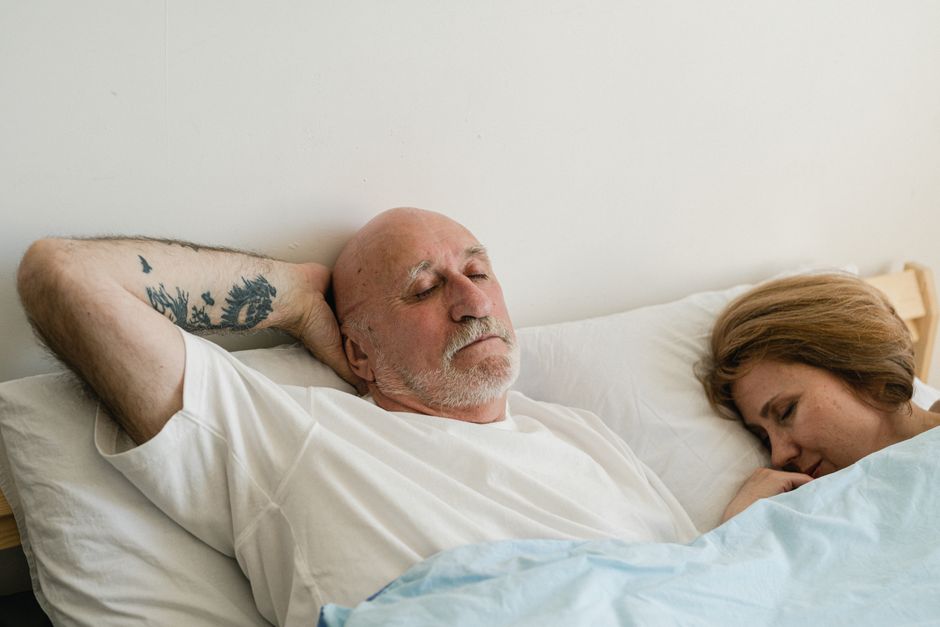
Waking up to a report that you were singing in your sleep can be confusing and a little embarrassing. Sleep talking is common, but singing is a specific and less frequent form of it that involves the brain’s language and music centers. Most of the time it is harmless, but it can sometimes point to an underlying sleep disorder or neurological condition that is worth understanding.
What Is Sleep Singing and How Common Is It?
Sleep singing is a type of parasomnia, which is a category of sleep disorders involving unwanted events or experiences that happen while you are falling asleep, sleeping, or waking up. It falls under the umbrella of sleep talking, known medically as somniloquy. The key difference is that the vocalizations follow a melodic pattern or contain lyrics rather than just random speech or mumbling.
Because most people who sing in their sleep do it alone and do not remember it, exact numbers are hard to pin down. Research on sleep talking suggests it is very common, with studies indicating that a large percentage of people will talk in their sleep at some point in their lives. Sleep singing is considered much rarer than simple sleep talking, though the lack of large-scale studies means we do not have a precise figure for how many people do it regularly.
Why Do I Sing In My Sleep? Causes And Solutions
The brain does not shut off completely during sleep. Different stages of sleep involve different levels of brain activity, and the areas that control language, memory, and emotion can remain active even when your conscious mind is offline. Singing in sleep likely happens when the brain’s speech production areas become active during sleep without the normal inhibition that keeps you quiet.
Several specific factors are known to increase the likelihood of sleep singing or sleep talking in general. Sleep deprivation is a major trigger. When you are overtired, your brain transitions between sleep stages more abruptly, which can increase the chance of parasomnias. High stress and anxiety also play a role because they make sleep less stable. Fever or illness can trigger sleep talking, especially in children. Alcohol and certain medications can also disrupt normal sleep architecture and lead to more vocal activity during the night.
Is Singing in Your Sleep a Sign of a Serious Problem?
For most people, sleep singing is not a sign of a serious medical issue. It is generally classified as a benign parasomnia, meaning it is not dangerous on its own. The bigger risk is usually to your bed partner, who may have their sleep disrupted by the noise.
However, there are situations where sleep singing warrants a conversation with a doctor. If the singing is accompanied by other behaviors like walking, thrashing, or acting out dreams, it could be a sign of REM sleep behavior disorder. This condition involves a lack of the normal muscle paralysis during REM sleep, causing people to physically act out their dreams. It is more serious because it can lead to injury, and it has been linked to neurological conditions like Parkinson’s disease, though that link is not a certainty for everyone who has it.
If the sleep singing started suddenly in adulthood with no prior history, or if it is accompanied by confusion, memory problems, or daytime fatigue, it is worth getting checked out. In rare cases, vocalizations during sleep can be a symptom of a seizure disorder, particularly if they follow a pattern or are accompanied by unusual movements.




What Happens in the Brain When You Sing in Your Sleep?
Singing is a complex task. It requires coordinating language, melody, rhythm, and breath control all at once. During wakefulness, this involves a network of brain regions including the frontal lobe for planning, the temporal lobe for processing sound, and the motor cortex for controlling the muscles involved in producing sound.
During sleep, the brain replays and processes memories and emotions. Functional imaging studies of people who sleep talk have shown that the brain areas responsible for language can activate during sleep, even while the person remains unconscious. The vocalizations often reflect things from the person’s waking life, such as a song they heard that day or a tune they know well. This suggests that sleep singing is often a form of memory consolidation, where the brain is processing auditory and emotional information from the day.
It is important to note that the person is not consciously choosing to sing. The brain activity is happening below the level of awareness. The person usually has no memory of it in the morning unless they are woken up mid-song.
Common Triggers for Sleep Singing
Identifying what triggers your sleep singing is the first step toward managing it. While the exact cause varies from person to person, several factors are consistently associated with increased sleep vocalization.
Stress and anxiety are among the most common contributors. High emotional arousal can make sleep less restful and increase the likelihood of parasomnias. Sleep deprivation is another major factor because it disrupts the normal sleep cycle. Alcohol consumption close to bedtime can fragment sleep and suppress REM sleep initially, leading to a rebound effect later in the night that can trigger vocalizations. Caffeine consumed too late in the day can also interfere with sleep quality. Certain medications, particularly some antidepressants and sleep aids, have been associated with increased sleep talking in some people.
Medical conditions can also play a role. Sleep apnea, which causes repeated pauses in breathing during sleep, leads to frequent arousals and fragmented sleep. This disruption can increase the chance of parasomnias. Gastroesophageal reflux disease, or GERD, can cause nighttime awakenings that may trigger vocal episodes.
How to Stop Singing in Your Sleep
There is no specific medical treatment designed to stop sleep singing. The approach is almost always to address the underlying factors that trigger it. If the singing is occasional and harmless, no treatment is needed at all. If it is frequent or disruptive, the following strategies may help.
Prioritize sleep hygiene. This means getting consistent, adequate sleep. Most adults need between seven and nine hours per night. Going to bed and waking up at the same time every day helps stabilize your sleep cycles. Manage stress through relaxation techniques like deep breathing, meditation, or gentle exercise earlier in the day. Limit alcohol and caffeine, especially in the hours before bed. Alcohol may help you fall asleep, but it disrupts the later stages of sleep. Create a calm sleep environment that is dark, quiet, and cool.
If you suspect sleep apnea is a factor, a doctor can arrange a sleep study to confirm the diagnosis. Treating sleep apnea with a CPAP machine or other methods often improves overall sleep quality and may reduce parasomnia episodes. If a medication is the suspected trigger, talk to your prescribing doctor about alternatives. Never stop or change a prescribed medication without medical supervision.
When to See a Doctor About Sleep Singing
Most cases of sleep singing do not require medical attention. You should consider seeing a doctor if the behavior is frequent enough to disrupt your sleep or your partner’s sleep on a regular basis. You should also seek medical advice if the singing is accompanied by other symptoms.
Specific warning signs include acting out dreams with physical movements, falling out of bed, or showing signs of confusion or agitation when awakened. If you feel excessively sleepy during the day despite getting what seems like enough sleep, that is a reason to be evaluated. Daytime sleepiness can indicate an underlying sleep disorder like sleep apnea or narcolepsy. If the sleep singing is a new behavior that started in adulthood with no clear trigger like stress or sleep deprivation, a medical evaluation is reasonable to rule out less common causes.
A doctor may recommend a polysomnogram, which is an overnight sleep study that records brain waves, heart rate, breathing, and body movements. This test can identify sleep disorders that may be contributing to the vocalizations.
Frequently Asked Questions
Is singing in your sleep a sign of mental illness?
No. Sleep singing is not a sign of mental illness. It is a sleep behavior that can happen to anyone, though it is more likely during periods of high stress or poor sleep.
Can children grow out of sleep singing?
Yes. Parasomnias like sleep talking and sleep singing are more common in children and often resolve as the brain matures and sleep patterns stabilize. Most children outgrow these behaviors by their teenage years.
Does sleep singing mean you are dreaming about singing?
Not necessarily. Sleep singing can happen during any sleep stage, including non-REM sleep when dreaming is less vivid. The vocalization may be a reflex of brain activity rather than a direct replay of a dream.
Can medication cause sleep singing?
Some medications can trigger sleep talking or singing as a side effect. Certain antidepressants, sleep aids, and medications that affect the central nervous system have been associated with increased parasomnia activity. Talk to your doctor if you notice a pattern after starting a new medication.
