
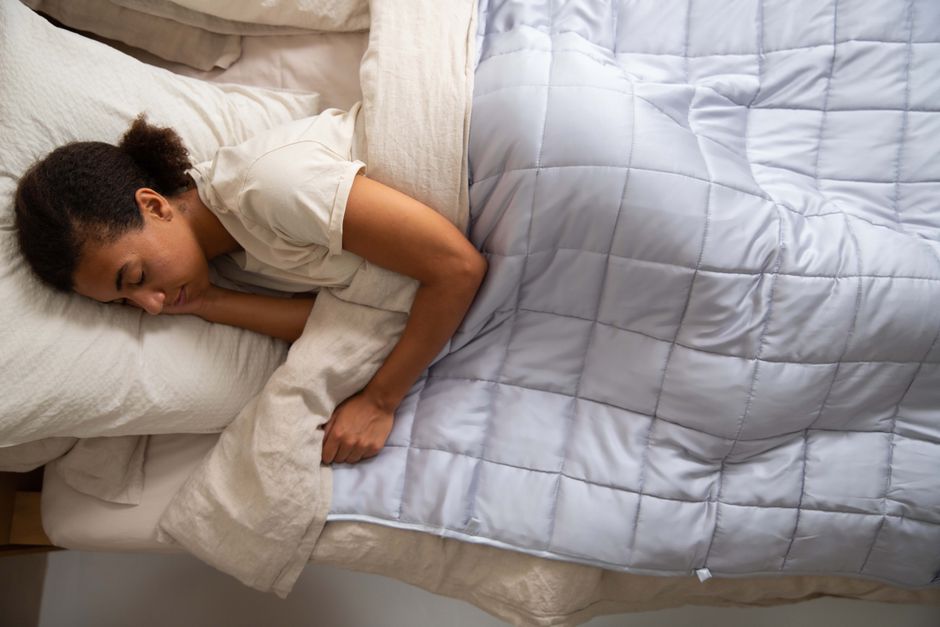
Deep sleep is the most physically restorative stage of your sleep cycle, and getting more of it comes down to habits that work with your biology rather than against it. Research shows that consistent sleep timing, a cool dark bedroom, and avoiding alcohol and late caffeine are among the most reliable ways to increase the slow-wave sleep your brain and body need.
What Is Deep Sleep and Why Does It Matter?
Deep sleep is also called slow-wave sleep. During this stage, your brain waves slow down dramatically, and your body shifts into a state of physical repair. Growth hormone is released, tissues are repaired, and the immune system is strengthened.
This stage is different from REM sleep, which is more about memory consolidation and dreaming. Deep sleep is the stage where your body physically recovers. If you wake up feeling unrefreshed even after eight hours in bed, you may not be getting enough of this specific stage.
Your sleep cycles through the night. Deep sleep dominates the first half of the night. REM sleep becomes more common in the second half. That means the habits you use early in the evening have a direct impact on how much deep sleep you get before midnight.
How To Get More Deep Sleep Habits That Help? Science Says Start With Timing
Your body’s internal clock, the circadian rhythm, controls when you feel sleepy and when you feel alert. Deep sleep is most likely to occur when your bedtime aligns with your natural circadian rhythm.
Going to bed and waking up at the same time every day, including weekends, is one of the strongest predictors of healthy deep sleep. A consistent schedule trains your brain to release melatonin and other sleep hormones at the right time.
Research consistently shows that shift workers and people with irregular schedules get less slow-wave sleep. Even a two-hour shift in your sleep schedule on the weekend can reduce the quality of your deep sleep during the following week.
If your schedule allows it, aim for a bedtime that allows at least seven to nine hours in bed. The American Academy of Sleep Medicine recommends adults get at least seven hours of sleep per night for optimal health.
What Temperature and Light Do to Your Sleep
Your core body temperature naturally drops before sleep and stays lower during the night. A cool bedroom supports this natural drop. Most sleep researchers recommend keeping your bedroom between 60 and 67 degrees Fahrenheit (15 to 19 degrees Celsius).
Light is equally important. Light suppresses melatonin production, and melatonin helps initiate sleep. Exposure to bright light in the evening, especially blue light from screens, can delay melatonin release and shorten your deep sleep window.
Some research suggests that wearing blue-light blocking glasses in the evening may help people who use screens late at night. The more reliable approach is to dim your lights an hour before bed and keep screens out of the bedroom entirely.
Blackout curtains or a sleep mask can help if you live in an area with streetlights or early morning sun. The goal is to keep your sleeping environment as dark as possible for the entire night.




Why Alcohol Reduces Deep Sleep Even Though It Makes You Tired
Alcohol is a sedative. It can make you fall asleep faster, but it does not produce quality sleep. Studies have found that alcohol reduces slow-wave sleep in the second half of the night and increases sleep fragmentation.
Alcohol also suppresses REM sleep. You may spend more time in light sleep and wake up more often, even if you do not remember waking. The result is a night that feels restful but is not.
The effects are dose-dependent. A single drink may have minimal impact, but multiple drinks reliably reduce deep sleep quality. Some research suggests that even moderate drinking three to four hours before bed can affect your sleep architecture.
If you choose to drink, the safest approach for sleep is to stop alcohol consumption at least three hours before bedtime. This gives your body time to metabolize the alcohol before you attempt deep sleep.
Caffeine Timing Matters More Than You Think
Caffeine blocks adenosine receptors in the brain. Adenosine is a chemical that builds up during waking hours and makes you feel sleepy. When caffeine blocks it, you feel alert, but the adenosine does not disappear.
The half-life of caffeine is about five to six hours in most adults. That means if you drink a coffee at 3 PM, about half of the caffeine is still in your system at 8 or 9 PM. This residual caffeine can delay deep sleep and reduce its duration.
Research shows that consuming caffeine even six hours before bedtime can reduce total sleep time by more than an hour in some people. Individual sensitivity varies, and some people metabolize caffeine faster than others.
The practical guideline is to stop caffeine consumption by early afternoon. If you are sensitive to caffeine, consider stopping even earlier or switching to decaffeinated beverages after lunch.
How Exercise Improves Deep Sleep
Regular physical activity is one of the most effective non-medication strategies for increasing deep sleep. Exercise raises your core body temperature, and the subsequent drop in temperature several hours later promotes sleep onset.
Research consistently shows that moderate aerobic exercise, such as brisk walking, cycling, or swimming, improves sleep quality and increases slow-wave sleep. The effect is strongest when exercise is performed consistently over weeks and months.
Timing matters for some people. Vigorous exercise too close to bedtime can raise core temperature and heart rate, making it harder to fall asleep. Most sleep experts recommend finishing intense workouts at least two to three hours before bed.
Gentle movement like yoga or stretching in the evening is less likely to interfere with sleep and may help with relaxation. The key is finding a routine that works for your body and sticking with it.
Can Supplements Increase Deep Sleep?
Several supplements are marketed for sleep, but the evidence varies significantly. Melatonin is the most studied. It is effective for helping people fall asleep, especially those with delayed sleep phase or jet lag, but its effect on deep sleep specifically is less clear.
Magnesium is sometimes recommended for sleep because it plays a role in nervous system regulation. Some studies suggest magnesium supplementation may improve sleep quality in people with low magnesium levels, but the evidence is not strong enough for a general recommendation.
Valerian root and chamomile are traditional sleep aids. Some research suggests they may help with sleep quality, but study results are mixed, and large controlled trials have not confirmed consistent benefits.
No supplement can replace the fundamentals of sleep hygiene. If you are considering a supplement for sleep, talk to your doctor first. Some supplements interact with medications, and the evidence for most sleep supplements is limited.
When To Talk to a Doctor About Sleep Problems
Occasional poor sleep is normal. Life stress, travel, and temporary changes in schedule can all disrupt sleep for a night or two. If poor sleep becomes a pattern lasting more than a few weeks, it is worth discussing with a healthcare provider.
Sleep apnea is a common condition that severely reduces deep sleep. People with sleep apnea stop breathing briefly during sleep, and their brains wake them partially to restart breathing. This can happen dozens or hundreds of times per night without the person being aware.
Symptoms of sleep apnea include loud snoring, gasping for air during sleep, morning headaches, and excessive daytime sleepiness. If you have these symptoms, a doctor can arrange a sleep study to evaluate you.
Chronic insomnia, restless legs syndrome, and other sleep disorders also reduce deep sleep. These conditions often respond to treatment, but they require a proper diagnosis. Do not try to self-treat persistent sleep problems with over-the-counter remedies indefinitely.
Frequently Asked Questions
How many hours of deep sleep do I need each night?
Most adults spend about 13 to 23 percent of their sleep time in deep sleep, which works out to roughly one to two hours per night. The exact amount varies by age, with younger people typically getting more deep sleep than older adults.
Does a weighted blanket increase deep sleep?
Some studies suggest weighted blankets may improve sleep quality and reduce nighttime awakenings, but the evidence for increasing deep sleep specifically is limited. People who find them comfortable often report better sleep, but results vary.
Can white noise help with deep sleep?
White noise can mask disruptive sounds that wake you during the night, which may help you stay in deep sleep longer. If you live in a noisy environment, a white noise machine or fan is a reasonable option to try.
Is it better to sleep on my back or side for deep sleep?
Sleep position primarily affects breathing and comfort rather than deep sleep directly. Side sleeping is often recommended for people with sleep apnea or snoring, but the best position is the one that lets you sleep without waking frequently.
