
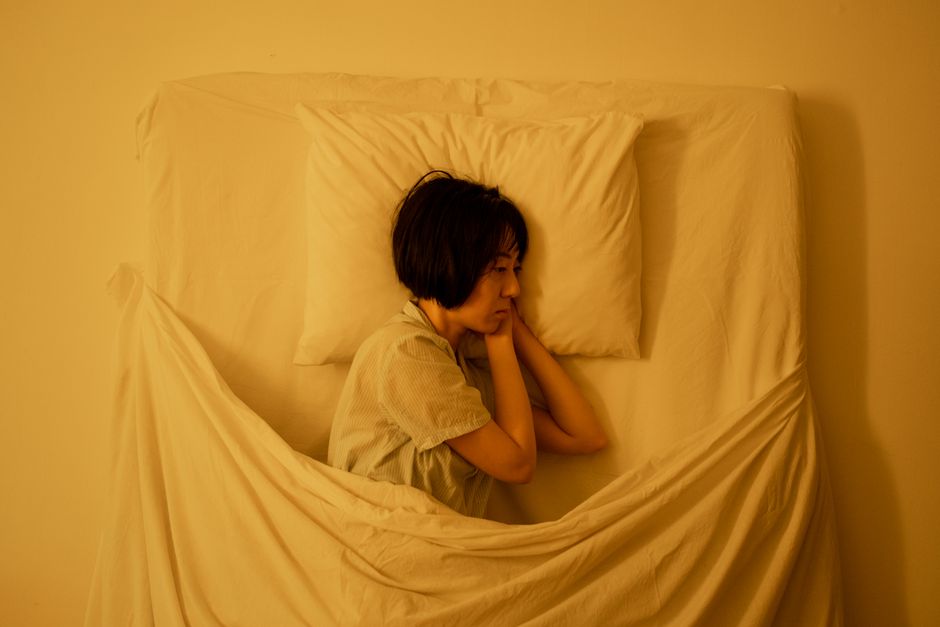
Your heart is still pounding. Every shadow in the room looks like something from the screen. You know it is just a movie, but your brain is not ready to switch off. The good news is that you can train your body to calm down and fall asleep after a scary film. It takes about 20 to 30 minutes of deliberate winding-down activity to lower your heart rate and signal safety to your brain. The most effective approach is to flood your senses with calm, familiar, and warm input so your nervous system can shift out of alert mode.
Why Does A Horror Movie Keep You Awake?
Horror movies are designed to trigger your fight-or-flight response. When you watch a jump scare or a tense scene, your amygdala sends a distress signal. Your body releases adrenaline and cortisol. These stress hormones increase your heart rate, raise your blood pressure, and sharpen your senses. That state is useful if you are running from a real threat. It is not useful when you are trying to sleep.
Your brain also stores emotional memories more strongly than neutral ones. A scary image can replay in your mind as you try to drift off. This is not a sign of weakness. It is a normal response to a stimulus that your brain interpreted as dangerous, even though you knew it was fiction.
The key is to understand that you cannot just command your nervous system to relax. You have to show it, through your actions and environment, that the danger has passed.
How To Sleep After Watching A Horror Movie: The Immediate Steps
Do not go straight from the screen to the bed. Your brain needs a transition period. Spend at least 15 to 20 minutes doing something that is the opposite of the movie you just watched. This is called a “cognitive reset.”
Try these steps in order:
- Turn on bright lights. Darkness signals melatonin release. Bright light signals alertness. You want to briefly override that alertness signal with other calming input, then dim the lights gradually as you settle.
- Watch or read something light. Choose a comedy clip, a nature documentary, or a familiar sitcom. The goal is not to get absorbed. The goal is to replace the scary imagery with neutral or positive imagery in your short-term memory.
- Change your physical location. If you watched the movie in your bedroom, leave the room for your wind-down time. This breaks the association between your sleep space and the feeling of fear.
- Do a simple physical task. Fold laundry, wash your face, or make tea for tomorrow. Routine tasks are predictable and calming.
After this reset period, your heart rate should have dropped noticeably. If you still feel wired, move on to the breathing and grounding techniques below.
Use Your Senses To Signal Safety
Your senses are direct lines to your nervous system. You can use them to send a clear message that you are safe. This works because your brain constantly checks your environment for threats. If your senses report warmth, softness, and familiar smells, your brain lowers its guard.
Start with warmth. Take a warm shower or bath. The water temperature should be comfortable, not hot. Warm water raises your core body temperature slightly. When you step out and cool down, that drop in temperature mimics the natural drop your body makes before sleep. This is a well-established physiological effect.
Next, use scent. Lavender is one of the most studied scents for sleep. Research suggests it can increase slow-wave sleep, the deep restorative stage. Use a lavender pillow spray or a small sachet near your pillow. Do not use essential oils directly on your skin without diluting them. If you have asthma or sensitive airways, skip strong scents entirely.
Sound matters too. Complete silence can actually make your brain listen harder for threats. Use white noise, a fan, or a “brown noise” track. These steady sounds mask sudden noises from outside or from neighbors that could startle you. Some people find rain sounds or ocean waves calming. Others prefer silence. Choose what feels right to you.
Breathing Techniques To Lower Your Heart Rate
Controlled breathing is one of the fastest ways to shift your nervous system out of alert mode. It works through the vagus nerve, which connects your brain to your heart and digestive system. Slow exhales specifically activate the parasympathetic nervous system, which is responsible for rest and digestion.
Try the 4-7-8 method. Breathe in through your nose for a count of four. Hold for a count of seven. Exhale slowly through your mouth for a count of eight. Repeat this cycle four times. The extended exhale is what triggers the calming response.
If counting feels complicated, use a simpler pattern. Breathe in for four seconds. Breathe out for six seconds. Make the exhale longer than the inhale. Do this for two minutes. You should feel your shoulders drop and your jaw unclench.
These techniques are not just psychological tricks. They have measurable effects on heart rate variability, which is a marker of how well your body adapts to stress. Regular practice makes the response faster over time.
What To Do If Scary Images Keep Replaying
Sometimes the physical relaxation works, but your mind keeps looping the scary scenes. This is called intrusive imagery. It happens because your brain is trying to process the emotional content of the movie.
One effective technique is cognitive reframing. Think about the actor behind the monster. Picture them in their normal clothes, drinking coffee between takes, or laughing with the crew. This breaks the illusion and reminds your brain that what you saw was staged.
Another approach is to rewrite the ending in your head. Imagine the monster slipping on a banana peel. Imagine the killer getting a phone call from their mother. Silly is good. Humor interrupts fear because your brain cannot easily hold both emotions at the same time.
If the images still will not leave, get out of bed. Do not lie there fighting with your thoughts. Go to another room, do a quiet activity for ten minutes, and try again. This prevents your brain from associating your bed with frustration and anxiety.
Make Your Bedroom A No-Scary Zone
Your bedroom should be a dedicated sleep environment. Watching horror movies in bed blurs the line between your relaxation space and your stimulation space. This can create a conditioned response where your brain expects excitement when you get into bed.
If you must watch scary content, do it in a living room or another area. Keep your bed strictly for sleep and intimacy. This is a core principle of cognitive behavioral therapy for insomnia, and it is one of the most effective behavioral changes you can make.
Consider your lighting as well. Red or amber nightlights are better than blue or white ones. Blue light suppresses melatonin production more strongly than warm light. If you need a light to move around safely at night, choose one with a warm tone.
Keep your bedroom temperature cool, around 65 to 68 degrees Fahrenheit. Your body needs to drop its core temperature to initiate sleep. A cool room supports this natural process.
When To See A Professional
Occasional difficulty sleeping after a scary movie is normal. It should resolve within a night or two. If you find yourself avoiding sleep regularly, or if you experience nightmares or night terrors that disrupt your sleep multiple times a week, it may be worth discussing with a healthcare provider.
Persistent fear responses to media can sometimes indicate a broader anxiety condition. This is especially true if you also experience daytime anxiety, racing thoughts, or physical symptoms like a racing heart in non-threatening situations. A doctor or a mental health professional can help you determine whether these symptoms are part of a larger pattern.
For most people, the occasional horror movie night is manageable with the techniques described here. The key is to be patient with yourself. Your brain is doing exactly what it evolved to do. With practice, you can teach it when it is safe to let go.
Frequently Asked Questions
How long does it take to fall asleep after a horror movie?
Most people need 20 to 30 minutes of calming activity before their body is ready for sleep. If you are still wired after an hour of winding down, get up and try a different calming activity before returning to bed.
Is it bad to watch horror movies before bed?
Watching horror right before bed can delay sleep onset and reduce sleep quality for some people. The adrenaline and cortisol released during scary scenes can take time to clear from your system.
Can horror movies cause nightmares?
Yes, horror movies can trigger nightmares, especially in people who are prone to them. The emotional intensity of the content can carry into your dream cycles, particularly if you fall asleep soon after watching.
Does leaving a light on help after watching a horror movie?
A dim, warm light can help you feel safer without significantly disrupting your sleep. Bright lights suppress melatonin, so choose the lowest warm setting that still feels comfortable to you.
