
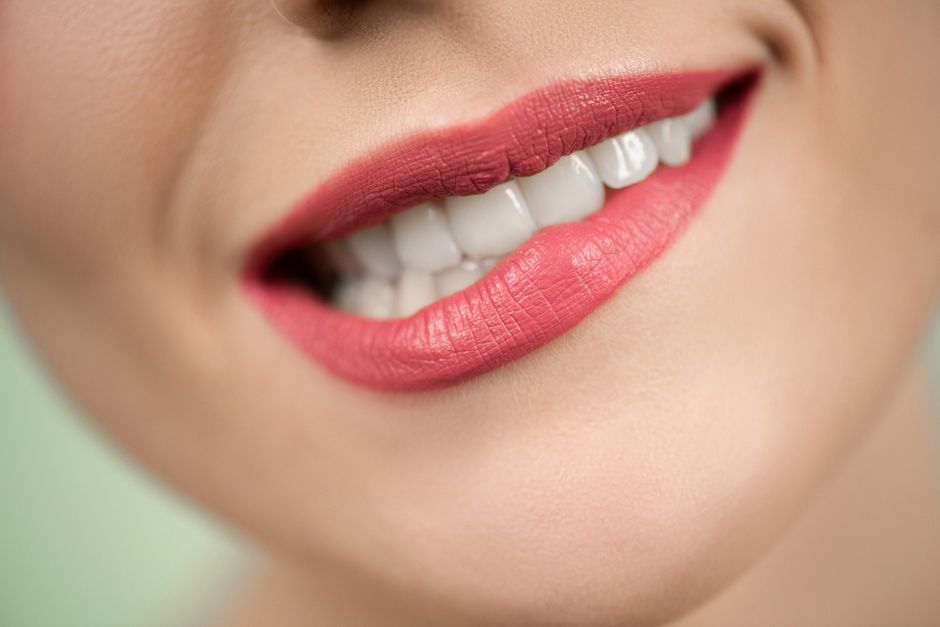
Biting your cheek by accident usually comes down to one of two things: your jaw and teeth are closing in a way that catches the soft tissue, or your cheek is drifting into the path of your teeth. Most of the time it’s a one-off caused by a fast bite, a lapse in concentration, or a mouthful of food that shifted the geometry. When it keeps happening, that’s a signal worth paying attention to. Repeating the same injury in the same spot points to something more consistent than bad luck.
The two most common reasons for repeat cheek biting are a misaligned bite (malocclusion) and involuntary jaw movements during sleep. Other causes include swelling that pushes the cheek outward, nerve-related movement disorders, and habits like chewing while distracted. Working out which one applies to you is the first step toward getting it to stop.
Why Do I Keep Biting My Cheek By Accident?
A bite that doesn’t line up cleanly is the leading explanation. When the upper and lower teeth don’t meet in a balanced way, a small part of your cheek can slip between them as your jaw closes. This happens fast — often faster than you can consciously correct.
Dentists call this malocclusion. It covers a range of things: crowded teeth, an overbite or underbite, teeth that have shifted, or a single tooth that sits out of line. You may not notice the misalignment day to day, but every time you chew or swallow, your jaw follows the same path — and if that path crosses your cheek, you’ll bite it again and again.
There’s a detail worth knowing here. The soft tissue of the cheek is not the same thickness everywhere. Along the inner surface, there’s a ridge called the linea alba — a pale, raised line that forms where the upper and lower teeth meet. It’s essentially a callus. It develops from repeated friction, and it’s very common. If you have a linea alba, it means your cheek has been getting caught in your bite for a while, often without you realizing it.
So the pattern can be circular. A slightly off bite irritates the cheek. The irritation swells a little. The swollen cheek sits even more in the way of your teeth. You bite it again. The cycle reinforces itself.
What Causes Cheek Biting During Sleep?
Sleep is when a lot of accidental cheek biting happens, and you often won’t know until you wake up sore. The most common driver is bruxism — clenching or grinding your teeth, usually during sleep. Bruxism affects a large share of adults, and many don’t realize they do it.
During sleep, your protective reflexes are dialed down. When you’re awake and chewing, your tongue and cheeks move out of the way automatically. In sleep, that coordination isn’t as sharp. If you grind or clench, your jaw can slide sideways, and your cheek can get caught between the teeth.
Other sleep-related factors include:
- Sleep apnea and other breathing disruptions, which are associated with more clenching and grinding
- Certain medications, including some antidepressants, which can increase jaw activity during sleep
- Stress and anxiety, which are linked to higher rates of bruxism
- Alcohol and caffeine, both of which have been associated with more nighttime grinding
If you wake with a sore cheek, a tired jaw, or a headache near your temples, sleep-related grinding is worth discussing with a dentist or doctor. It’s not something to diagnose yourself, but it’s a recognizable pattern.
When Is Cheek Biting a Sign of Something Else?
Occasional cheek biting is normal. A pattern that’s frequent, happens without eating, or comes with other symptoms deserves a closer look. A few conditions can cause repeated biting or cheek injury.
Nerve-related movement disorders. Conditions that cause involuntary muscle contractions in the face or jaw — such as oromandibular dystonia — can make the jaw close or shift without your control. This is uncommon, but it’s a real cause of repeated, sometimes forceful cheek biting. It’s usually diagnosed by a neurologist.
Swelling or lesions in the mouth. Anything that enlarges the cheek — a cyst, an infection, an allergic reaction, or a growth — pushes tissue into the bite zone. If one cheek looks or feels different from the other, that’s worth having examined.
Dental work and changes. New fillings, crowns, dentures, or braces change how your teeth meet. Even a small change can shift your bite enough to catch your cheek. This often settles as you adjust, but if it doesn’t, tell your dentist.
Seizure activity. In rare cases, involuntary biting during a seizure can injure the cheek or tongue. This is a medical emergency when it happens with confusion, loss of awareness, or other seizure signs, and it needs immediate care.
Most people who bite their cheek repeatedly do not have any of these conditions. But if the biting is forceful, happens without warning, or comes with other neurological symptoms, see a doctor.





How Do You Stop Biting Your Cheek?
The fix depends on the cause, and there’s no single answer that works for everyone. What helps one person won’t help another, so the goal is to identify your trigger first.
If the cause is a misaligned bite, a dentist can assess it. Options range from smoothing a sharp tooth edge to adjusting a filling, or in some cases orthodontic treatment to correct alignment. These are common approaches, though the evidence for exactly how much each helps varies by situation.
If the cause is nighttime grinding, a dentist may recommend a night guard — a custom mouthpiece that cushions the teeth. Night guards are widely used and can reduce tooth wear and jaw strain. It’s worth being honest about the evidence here: studies show they help protect teeth, but the evidence that they stop cheek biting specifically is limited. They’re a reasonable option, not a guaranteed fix.
If stress or anxiety plays a role, addressing that can reduce grinding and clenching. Relaxation techniques, better sleep habits, and in some cases talking to a doctor about anxiety are reasonable steps. There’s no single technique proven to stop bruxism on its own.
For daytime habits, a few practical changes can help:
- Slow down when you eat, and focus on chewing rather than talking or scrolling
- Be aware of clenching during the day — many people do it without noticing
- Keep your jaw relaxed with teeth slightly apart when you’re not eating
- Treat the sore spot gently so it can heal; a rinse of warm salt water is a common comfort measure
None of these are cures. They reduce the chances of repeat injury while you and your dentist work out the underlying cause.
Can a Bitten Cheek Become Something Serious?
Most bites heal on their own within a few days. The mouth heals quickly because it has a rich blood supply. A small bite usually needs nothing more than time.
The concern is when a sore doesn’t heal. Any mouth wound that hasn’t improved after two weeks should be checked by a dentist or doctor. This is a standard guideline, not a sign that something is wrong — most non-healing sores are benign. But a sore that persists, bleeds, or changes shape needs a professional look, because a small number of persistent mouth lesions can be serious.
Repeated biting in the same spot can also cause a permanent thickening of the tissue — the linea alba mentioned earlier. That’s not dangerous. It’s a sign of chronic friction, and it usually means the bite issue is still active.
Watch for these signs and get them checked:
- A sore that hasn’t healed after two weeks
- Bleeding that doesn’t stop or recurs
- A lump, white patch, or red patch that doesn’t go away
- Numbness or loss of feeling in the cheek or tongue
- Difficulty opening your mouth or swallowing
These don’t mean you have cancer or another serious disease. They mean the symptom needs a proper evaluation rather than a wait-and-see approach.
What Makes Cheek Biting More Likely?
Some factors raise the odds of biting your cheek, and knowing them can help you spot your own pattern.
Eating too fast. Speed is probably the single biggest trigger for one-off bites. When you chew quickly or talk while eating, your tongue and cheek don’t always move out of the way in time.
Distraction. Chewing is largely automatic, but it still needs some attention. Eating while driving, working, or scrolling makes a bite more likely.
Missing or crooked teeth. Gaps and misaligned teeth change the path your jaw takes and can trap the cheek.
Dental changes. New dental work can temporarily throw off your bite until you adjust.
Stress and poor sleep. Both are linked to more clenching and grinding, which raises the risk of nighttime biting.
Age and wear. Over time, teeth wear down and shift. A bite that worked fine for years can slowly change.
If you can connect your biting to one or two of these, you’ve found your starting point. If you can’t, and the biting keeps happening, that’s when a dental or medical evaluation makes sense.
Frequently Asked Questions
Why do I suddenly keep biting my cheek?
A sudden increase often follows a change in your bite, such as new dental work, a lost filling, or a chipped tooth. It can also start during a period of higher stress or poor sleep, which raises clenching and grinding.
Is biting your cheek a sign of a vitamin deficiency?
No, there is no established link between cheek biting and vitamin deficiency. Cheek biting is mostly a mechanical issue related to how your teeth and jaw meet, not a nutritional one.
Can anxiety cause cheek biting?
Anxiety is linked to more clenching and grinding, especially during sleep, which can raise the chance of biting your cheek. It’s not a direct cause, but it’s a contributing factor for many people.
When should I see a doctor for cheek biting?
See a dentist or doctor if the biting is frequent, happens without eating, or comes with other symptoms like jaw pain or numbness. Also get checked if a bite sore hasn’t healed after two weeks.
