
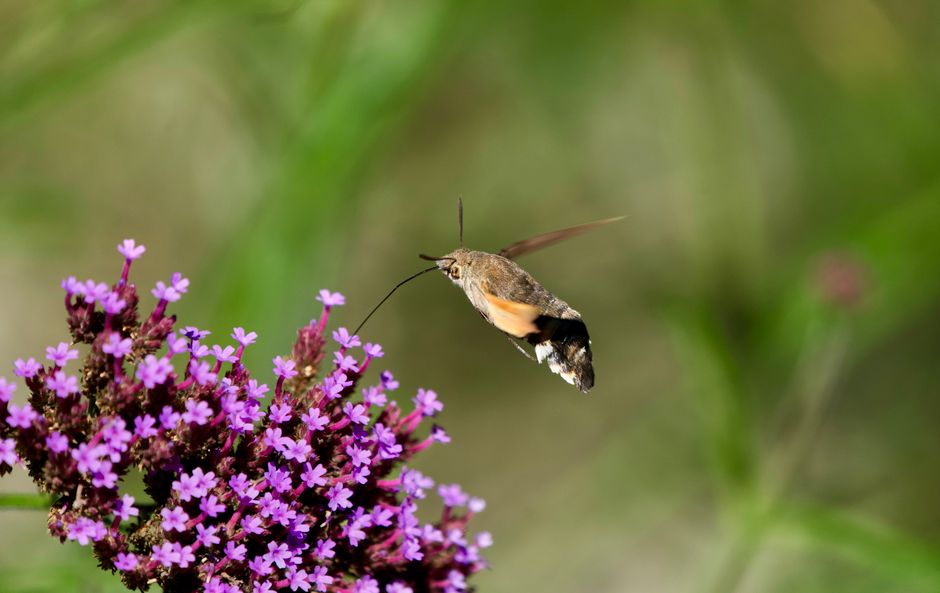
Getting rid of moths starts with identifying which kind you have, because clothes moths and pantry moths live in different places and need different treatment. Clothes moths eat wool, silk, fur, and feathers, while pantry moths feed on grains, flour, nuts, and dried goods. The fix for both is the same in principle: find the source, remove it, clean thoroughly, and block the moths from coming back.
How Get Rid Of Moths In Your Home?
Moths do not damage your home the way termites or rodents do. They damage the things inside it. That distinction matters because it tells you where to focus.
There are two main groups you are likely dealing with:
- Clothes moths (often called webbing or casemaking moths) — the larvae eat natural fibers. Adults do not eat fabric at all.
- Pantry moths (including the Indian meal moth) — the larvae feed on stored food. You will often see webbing or clumps in flour, cereal, or nuts.
The key fact most people miss: it is the larvae doing the damage, not the adult moths flying around. Killing every adult you see will not solve the problem if larvae and eggs are still hidden in fabric or food. You have to remove what they are feeding on.
What Actually Causes A Moth Infestation?
Moths need two things to thrive: a food source and a dark, undisturbed place. That is why infestations so often start in the back of a closet, in a box of stored winter clothes, or in the forgotten bag of flour at the back of the pantry.
Clothes moths are attracted to fabrics that carry traces of human sweat, skin cells, or food spills. Clean wool is less appealing than wool that has been worn and put away dirty. This is why storing clothes before washing them is one of the most common ways an infestation begins.
Pantry moths usually arrive in your home inside the packaging. They can already be present as eggs or larvae in flour, rice, birdseed, pet food, or dried fruit when you bring it home. You did not do anything wrong — the moths came with the groceries.
Moths also move between homes through shared walls, vents, and secondhand furniture or clothing.
How Do You Get Rid Of Clothes Moths?
You get rid of clothes moths by removing their food, cleaning their hiding places, and protecting what remains. There is no single product that solves it on its own.
Start by emptying the affected closet or storage area completely. Inspect every item. Look for:
- Small holes in wool, silk, cashmere, or fur
- Fine webbing or silken tunnels on fabric surfaces
- Small cream-colored larvae or their cast skins
- Adult moths resting in corners or on ceilings
Wash all washable items in hot water and dry them on high heat. Heat kills eggs and larvae that washing alone might miss. For items that cannot be washed — wool coats, silk garments, delicate knits — dry cleaning is effective. So is sealing items in a freezer for several days, though home freezers vary and this method works best when the cold reaches the core of the item. Some sources recommend freezing for at least 72 hours, but results depend on the temperature your freezer actually reaches.
Vacuum the closet thoroughly, including cracks, baseboards, and the corners where larvae hide. Throw away the vacuum bag or empty the canister outside immediately. Then wipe surfaces down.
Once everything is clean, store clean items in airtight containers or sealed garment bags. Cedar and mothballs are commonly used, but the evidence for cedar as a reliable killer of moths is limited — it may deter some adults but does not reliably kill larvae or eggs. Mothballs contain pesticides and are a genuine health hazard, especially to children and pets. Follow label directions exactly if you use them, and never place them where children or animals can reach.




How Do You Get Rid Of Pantry Moths?
You get rid of pantry moths by finding and throwing away every infested food source. This is not optional. If even one infested package stays, the moths return.
Empty the entire pantry or cabinet. Do not just check the obvious items. Check everything:
- Flour, rice, cereal, oats, pasta, and cornmeal
- Nuts, seeds, and dried fruit
- Spices and baking mixes
- Pet food, birdseed, and dried pet treats
- Anything in a cardboard box or paper bag
Moth larvae can chew through thin plastic and cardboard. A sealed bag is not proof of safety. If you see webbing, clumps, or live larvae, throw the whole package away in an outdoor bin.
After removing infested food, vacuum the shelves and crevices. Wipe everything with soap and water. Let it dry completely before restocking.
Going forward, transfer dry goods into glass or hard plastic containers with tight lids. This does two things: it keeps moths out, and it lets you see an infestation early if one starts.
What About Moth Traps And Repellents?
Traps and repellents can help, but they are not a cure. Understanding what they can and cannot do saves you money and frustration.
Pheromone traps attract and catch male moths. They are useful for monitoring — if you are catching moths, you know they are still around. They do not eliminate an infestation because they do not touch eggs, larvae, or females. Some research suggests traps can reduce mating and slow a population, but they are a supplement, not a solution.
Repellents like cedar, lavender, and herbal sachets are widely sold. The evidence that they kill moths is weak. They may have some deterrent effect in enclosed spaces, but no strong clinical or scientific consensus supports them as a standalone fix. Treat them as a mild extra step, not a replacement for cleaning and sealing.
Insecticide sprays and foggers exist for moths. If you use one, follow the label exactly. These products carry real risks, particularly in homes with children, pets, or people with breathing conditions. For a serious infestation that does not respond to cleaning and removal, a licensed pest control professional is the safer and more reliable route.
How Do You Prevent Moths From Coming Back?
Prevention comes down to removing food and blocking access. Moths are persistent, but they are not mysterious.
For clothes:
- Wash or dry clean clothing before storing it, even for a season
- Store natural-fiber items in airtight containers or sealed bags
- Keep closets dry and well ventilated — moths prefer dark, humid spaces
- Rotate and inspect stored clothing periodically
For the pantry:
- Buy dry goods in amounts you will use within a few months
- Transfer everything into hard, sealed containers
- Check older packages first and use them before opening new ones
- Keep shelves clean and free of spilled flour or crumbs
One detail worth knowing: moths can survive for a while without a food source as pupae or eggs, so a single thorough cleaning may not end an infestation. Check again a few weeks later. If you see new moths or larvae, there is a source you missed.
When Should You Call A Professional?
Call a pest control professional if you have cleaned thoroughly, removed all food sources, and still see moths after several weeks. That usually means the infestation is in a place you cannot easily reach — inside walls, behind built-in cabinets, under flooring, or in a shared ventilation system.
Professionals have access to treatments and inspection tools that are not available to the general public. They can also identify the species accurately, which matters because the treatment differs. For a mild, contained infestation, do-it-yourself methods are usually enough. For a widespread or recurring problem, professional help is the practical choice.
Frequently Asked Questions
What kills moths instantly?
There is no safe product that kills an entire moth infestation instantly. Removing and discarding infested food or fabric is the fastest way to stop the damage, because it eliminates the larvae that are actually causing it.
Does white vinegar get rid of moths?
White vinegar can help clean surfaces where moth eggs or larvae may be present, but it does not kill moths or their eggs reliably on its own. Use it as part of cleaning, not as a standalone treatment.
How long does it take to get rid of a moth infestation?
Most infestations improve within a few weeks if you remove all food sources and clean thoroughly. Because eggs and pupae can survive for a time, check again several weeks later and repeat cleaning if you see new activity.
Are mothballs safe to use indoors?
Mothballs contain pesticides and pose real health risks, especially to children, pregnant women, and pets. If you use them, follow the label exactly and keep them out of reach of children and animals.
