
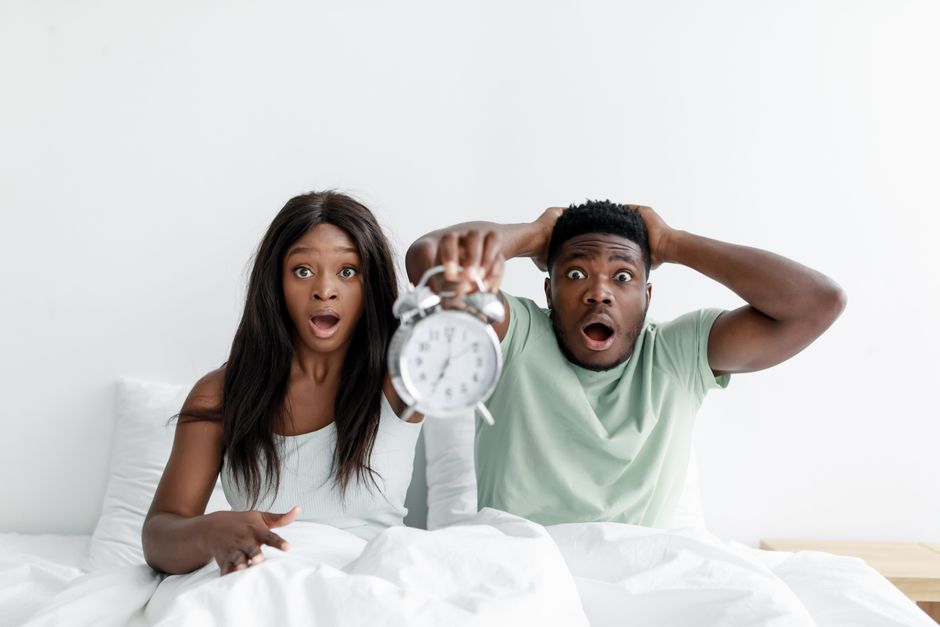
Sleeping longer than usual every now and then is normal. But if you regularly sleep past nine or ten hours and still wake up groggy, that pattern has a name and real causes. Oversleeping — sometimes called long sleep — is not laziness. It is often a signal that something in your body or your routine is off.
Most people need seven to nine hours of sleep per night, according to the National Sleep Foundation. If you consistently need far more than that and still feel unrested, the problem is usually not how long you sleep. It is why your sleep is not restoring you.
Why Do I Keep Oversleeping? Causes And Fixes
The most common reasons for habitual oversleeping fall into three groups: sleep disorders that fragment your sleep, medical conditions that increase your need for sleep, and lifestyle factors that disrupt your body clock.
Sleep apnea is one of the most frequent culprits. In obstructive sleep apnea, your airway narrows or closes repeatedly during the night. Each pause briefly wakes your brain, even if you never fully surface. You can spend nine hours in bed and still accumulate very little deep, restorative sleep. The result is a long night that leaves you exhausted.
Other sleep disorders that drive oversleeping include:
- Idiopathic hypersomnia — a condition where people sleep normal or long hours at night yet remain severely sleepy during the day. The cause is not well understood.
- Narcolepsy — a neurological disorder affecting the brain’s regulation of sleep and wakefulness. Daytime sleepiness is the hallmark, but nighttime sleep can also be prolonged or fragmented.
- Circadian rhythm disorders — when your internal clock runs on a schedule that does not match your life. Shift work and delayed sleep phase syndrome are common examples.
Medical conditions matter too. An underactive thyroid, depression, and certain medications can all increase sleep need or make waking difficult. So can chronic sleep deprivation. If you have been short on sleep for weeks, your body may try to repay that debt by sleeping longer — but the repayment is rarely as simple as one long night.
Fixes depend on the cause. If a sleep disorder is present, no amount of willpower or alarm-setting will solve it. That requires evaluation and, in many cases, treatment. If the cause is behavioral — an irregular schedule, too much caffeine late in the day, or a bedroom that is too warm or too bright — adjusting those factors can help. The key is identifying which category you fall into before trying to fix it.
How Much Sleep Is Too Much?
There is no single number that defines oversleeping for everyone. The National Sleep Foundation recommends seven to nine hours for most adults. Regularly sleeping more than nine hours and still feeling tired is a pattern worth investigating.
But duration alone does not tell the whole story. Some people genuinely need more sleep than average. Others sleep long hours because their sleep quality is poor. The difference matters.
A useful distinction is how you feel after waking. If you sleep eight hours and feel restored, that is normal. If you sleep ten hours and feel like you could sleep ten more, that is not simply a long sleep habit. That is a sign your sleep is not doing its job.
Age changes sleep patterns too. Older adults often sleep less at night and nap during the day. Teenagers tend to have delayed circadian rhythms and may need more sleep than adults. What counts as oversleeping depends partly on your age and your baseline.
What Does It Mean If You Sleep a Lot and Still Feel Tired?
Sleeping a lot and still feeling tired points to a problem with sleep quality, not sleep quantity. Your brain cycles through light sleep, deep sleep, and REM sleep multiple times per night. Deep sleep is when the body repairs tissue and consolidates memory. REM sleep supports emotional processing and learning. If those stages are repeatedly interrupted, you can sleep for hours without getting the restoration you need.
Sleep apnea is the classic example. Breathing pauses pull the brain out of deep sleep dozens or even hundreds of times per night. The person may not remember waking at all. They just know they feel terrible in the morning.
Other possibilities include:
- Frequent nighttime awakenings from pain, noise, or bathroom trips
- Medications that suppress deep sleep, including some antidepressants and blood pressure drugs
- Alcohol, which can help you fall asleep but fragments sleep later in the night
- Restless legs syndrome, which causes uncomfortable sensations that disrupt sleep
If you consistently sleep long hours and wake unrefreshed, that pattern deserves a medical conversation. It is not something to push through with more caffeine.





Can Depression Make You Sleep Too Much?
Yes. Depression and sleep are tightly linked. While insomnia is the more widely known sleep problem in depression, oversleeping — called hypersomnia — is also common. Some research suggests that people with atypical depression, a subtype marked by fatigue and increased appetite, are especially likely to sleep excessively.
The relationship runs both ways. Poor sleep can worsen mood. Low mood can disrupt sleep. Breaking that cycle often requires addressing both the depression and the sleep problem together.
If oversleeping comes with persistent sadness, loss of interest in things you used to enjoy, or a sense of hopelessness, that is a reason to talk to a doctor or mental health professional. Treating the depression often improves sleep, and improving sleep can help the depression.
What Lifestyle Habits Cause Oversleeping?
Sometimes the cause is not a disorder at all. It is the accumulation of habits that throw off your sleep-wake cycle.
An irregular sleep schedule is a major one. Going to bed and waking at very different times on weekdays versus weekends creates a kind of jet lag. Your body clock struggles to know when to release melatonin and when to raise your body temperature. The result is a groggy, prolonged morning.
Other lifestyle factors that contribute:
- Caffeine timing — caffeine has a half-life of about five to six hours. A cup at 4 p.m. can still be active in your system at bedtime.
- Alcohol — it may speed sleep onset but disrupts the second half of the night.
- Screen exposure at night — blue light can delay melatonin release and push your sleep schedule later.
- An uncomfortable sleep environment — a warm room, a lumpy mattress, or outside noise all reduce sleep quality.
- Chronic sleep debt — if you have been sleeping five or six hours for weeks, your body may try to catch up by sleeping very long on free days.
The fix for lifestyle-driven oversleeping is consistency. Going to bed and waking at roughly the same time every day, including weekends, helps reset your body clock. Getting morning light exposure within an hour of waking also helps. So does limiting caffeine after early afternoon.
When Should You See a Doctor About Oversleeping?
See a doctor if you regularly sleep more than nine hours and still feel tired, if you fall asleep unintentionally during the day, or if oversleeping interferes with work, school, or relationships.
Also seek medical advice if you wake with headaches, a dry mouth, or a sore throat. These can be signs of sleep apnea. If a bed partner has noticed that you stop breathing or gasp during sleep, that is a strong reason to get evaluated.
Other red flags include:
- Sudden changes in sleep patterns that persist for more than a few weeks
- Sleepiness that makes driving or operating machinery risky
- Oversleeping along with weight gain, cold intolerance, or dry skin — possible signs of an underactive thyroid
- New or worsening depression
Evaluation usually starts with a detailed sleep history. Your doctor may ask about your sleep schedule, daytime symptoms, medications, and mood. A sleep study may be recommended if a sleep disorder is suspected.
What Actually Helps Reduce Oversleeping?
The most effective fix depends on the cause. There is no single solution that works for everyone.
If the problem is a sleep disorder like apnea, treatment of that disorder is the fix. Continuous positive airway pressure — CPAP — is a common treatment for obstructive sleep apnea, though tolerance varies and some people need alternatives. If the problem is depression, treating the depression often reduces oversleeping. If the problem is lifestyle, then consistent sleep timing, morning light, and reduced evening caffeine are the levers that matter.
What does not help is trying to force yourself awake earlier with sheer willpower when the underlying issue is untreated. That approach tends to fail because it does not address why your body is demanding more sleep.
Some general habits support healthier sleep for most people:
- Keep a consistent sleep and wake time, even on weekends
- Get bright light exposure in the morning
- Keep the bedroom cool, dark, and quiet
- Avoid caffeine after early afternoon
- Limit alcohol close to bedtime
- Get regular physical activity, but not too close to bedtime
These habits support good sleep, but they are not a treatment for a sleep disorder. If you have tried them and still oversleep, the next step is a medical evaluation.
Frequently Asked Questions
Is oversleeping a sign of anything serious?
It can be. Oversleeping is linked to sleep disorders like sleep apnea, medical conditions like an underactive thyroid, and mood disorders like depression. It is worth discussing with a doctor if it persists.
How many hours of sleep is too many?
For most adults, regularly sleeping more than nine hours per night and still feeling tired is considered excessive. The National Sleep Foundation recommends seven to nine hours for most adults.
Can you catch up on sleep by sleeping in?
Some recovery is possible, but sleeping in does not fully reverse weeks of sleep debt. It can also shift your body clock and make the next morning harder.
Does oversleeping cause health problems?
Research has associated long sleep duration with health risks, but it is often unclear whether oversleeping causes those problems or reflects an underlying condition. The evidence is mixed on this point.
