
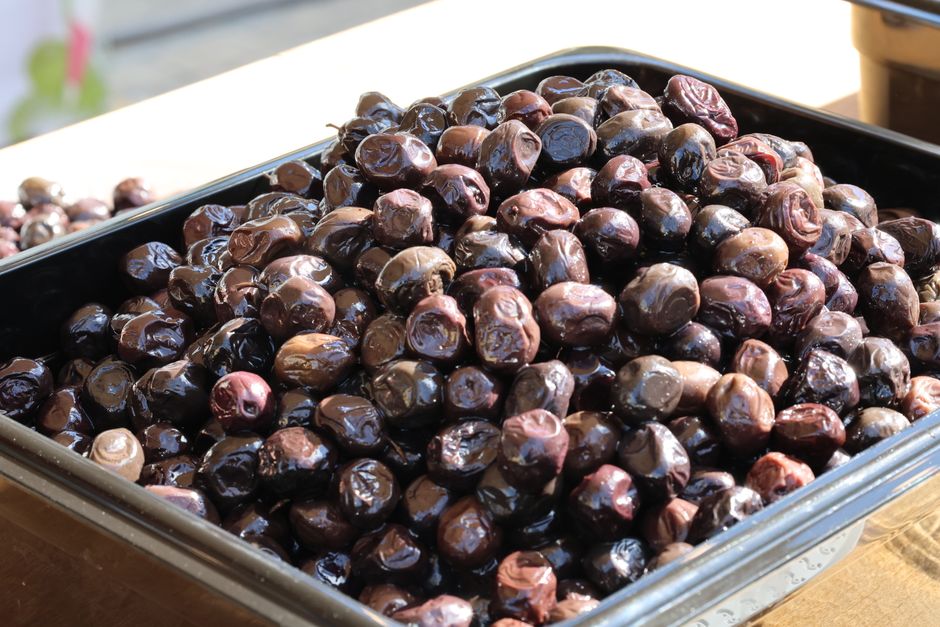
Soaking olives in fresh water is the most reliable way to reduce their salt. The salt moves out of the olive and into the water until the two are closer to balanced. Change the water regularly, and most of the excess salt will leave within a day or two. Keep the olives in the refrigerator while they soak, and add a little olive oil or a splash of vinegar at the end to protect the flavor you are trying to save.
That is the short answer. The details matter more than most people expect, because the same process that removes salt can also pull out the compounds that make a good olive taste like a good olive.
Why Are Olives So Salty In The First Place?
Fresh olives off the tree are intensely bitter and essentially inedible. They contain a compound called oleuropein, which tastes harsh and astringent. People have been removing that bitterness for thousands of years, and salt is one of the main tools they use.
Most olives are cured in brine, a strong saltwater solution. The salt does two jobs. It draws out the bitter compounds, and it creates an environment where spoilage organisms struggle to grow. Lye curing is a faster alternative used for some commercial olives, but brine curing remains common because it also develops flavor over time.
The result is an olive that keeps well and tastes good, but carries a lot of sodium. That is not a flaw in the process. It is the process working as intended.
How To Make Olives Less Salty And Keep Their Flavor
Water soaking is the core method, and it works because of simple diffusion. Salt concentrations naturally try to equalize. When an olive sits in fresh water, sodium moves out of the olive and into the water. Replace the water, and the process keeps going.
Here is how to do it well:
- Drain the olives and rinse them under cool running water.
- Put them in a bowl or jar and cover with fresh cold water.
- Refrigerate the whole time. Room-temperature soaking invites spoilage.
- Change the water every few hours for the first day, then once or twice a day after that.
- Taste as you go. Start checking after about 8 hours.
Most olives lose a noticeable amount of salt within 24 hours. A full day to two days of soaking will bring them down further. Beyond that, you start losing flavor along with the salt, and the olives can turn soft and watery.
Two things protect flavor during soaking. First, keep the olives whole. Cutting them speeds up salt removal but also speeds up flavor loss and makes them mushy. Second, stop earlier than you think you need to. You can always soak longer, but you cannot put flavor back.
Does Hot Water Work Faster?
Warm water does pull salt out faster, but it is a trade you may not want to make. Heat softens the olive’s flesh and drives off some of the aromatic compounds that give olives their character. A quick blanch in hot water can work if you are using the olives in a cooked dish where texture matters less.
For olives you plan to eat on their own or serve on a plate, cold water is the better choice. It is slower, but the olive comes out intact.
A middle option some cooks use is warm, not hot, water for a short soak, followed by cold water. This is a practical compromise rather than a tested rule, and results will vary by olive type.





What About Vinegar, Oil, And Other Additions?
Adding vinegar or oil during the soak does not remove salt. It only changes the flavor around the olive. Vinegar is acidic and can help balance taste, but it will not pull sodium out.
Where these ingredients help is after soaking. Once the olives have reached the salt level you want, drain them and dress them. A little olive oil coats the surface and helps hold in aroma. A splash of vinegar or a squeeze of lemon adds brightness. Herbs, garlic, and citrus peel can rebuild some of the complexity that soaking washed away.
One thing to avoid: do not add salt back in “to taste” while the olives are still soaking. Wait until they are drained. Otherwise you undo the work.
Do Different Olive Types Need Different Treatment?
Yes, and this is where a lot of home cooks get frustrated. Olives vary widely in how much salt they hold and how firm their flesh is.
Large, firm green olives tend to hold up well to soaking and can take a full day or two. Softer black olives, especially the very ripe ones, break down faster. They may only need several hours. Small olives with thin skins can lose flavor quickly.
The practical approach is the same for all of them: soak in cold water, change the water often, and taste frequently. The clock is a guide, not a rule.
Can You Remove Too Much Salt?
You can, and it is a common mistake. An olive that has been soaked too long tastes flat. The salt is gone, but so are many of the compounds that made it interesting. The texture also suffers, turning soft and slightly spongy.
If you overshoot, you cannot really reverse it. You can improve the situation by dressing the olives well with oil, acid, and herbs. But the olive itself will not return to what it was.
This is why tasting as you go matters more than following a fixed time. The olive tells you when it is ready.
Is Lower-Sodium Olive Options Worth Buying?
Some brands sell reduced-sodium olives, and they can be a reasonable choice if you are watching your salt intake closely. The catch is that “reduced sodium” is a regulated claim that means the product has at least 25 percent less sodium than the standard version. It does not mean low sodium.
If you want the biggest reduction, soaking regular olives at home gives you more control than buying a reduced-sodium jar. You decide when to stop.
For anyone on a sodium-restricted diet, it is worth talking with a doctor or dietitian about how olives fit into your overall intake. A handful of olives, even soaked ones, still contributes sodium.
How Should You Store Soaked Olives?
Once the olives have reached the salt level you want, drain them well. Store them in a clean jar, covered with olive oil or a light brine, in the refrigerator. They will keep for a few weeks this way.
If you store them in plain water, they will continue to lose flavor and will not keep as long. Oil or a mild brine protects both texture and taste.
Do not leave soaked olives out at room temperature for long periods. Without enough salt to preserve them, they become more vulnerable to spoilage.
Frequently Asked Questions
How long should you soak olives to make them less salty?
Most olives lose noticeable salt within 8 to 24 hours of soaking in cold water, with the water changed every few hours at first. A full day or two will reduce salt further, but soaking too long strips flavor and softens the texture.
Does soaking olives in water remove the salt?
Yes. Salt moves from the olive into the water until the concentrations balance, so replacing the water regularly keeps the process going. This is why changing the water matters more than soaking longer in the same water.
Can you make olives less salty without losing flavor?
Yes, if you keep them whole, soak in cold water rather than hot, and stop as soon as the salt level tastes right. Dressing them afterward with olive oil, vinegar, or herbs helps restore some of the flavor that soaking removes.
Are reduced-sodium olives actually low in sodium?
Not necessarily. A “reduced sodium” label means the product has at least 25 percent less sodium than the regular version, which can still be a meaningful amount. Soaking regular olives at home usually gives you more control over the final sodium level.
