
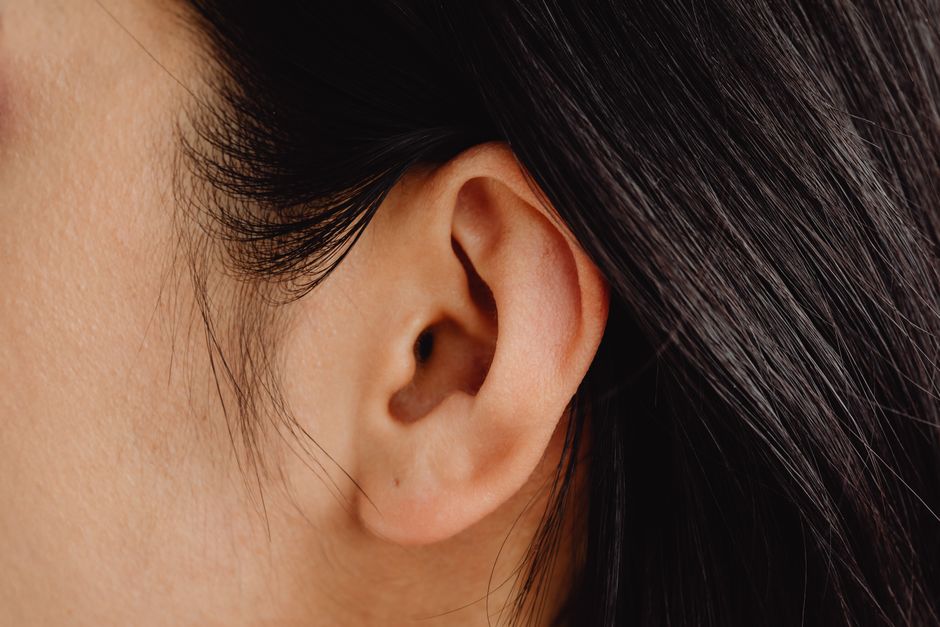
Hearing a siren-like sound when no siren is nearby is a form of tinnitus. It is not a disease itself but a symptom that something is affecting your auditory system. The sound can be constant or come and go, and it can range from a faint background noise to a loud, piercing tone that interferes with daily life.
What Causes a Siren Sound in the Ear?
A siren sound is typically a high-pitched tone that rises and falls. This pattern is different from the steady ringing many people describe. The most common cause is damage to the tiny hair cells in the inner ear, often from noise exposure or aging.
When these hair cells are damaged, they send random electrical signals to the brain. The brain interprets these signals as sound. The fluctuating pitch you hear as a siren may reflect changes in blood flow, muscle tension, or nerve activity near the ear.
Other causes include earwax buildup pressing against the eardrum, middle ear infections, and changes in the bones of the middle ear. Some medications are also known to trigger tinnitus, especially at higher doses. These include certain antibiotics, aspirin, and some diuretics.
Why Do I Hear Sirens In My Ears Causes And Relief
The siren quality of your tinnitus matters for diagnosis. A pulsatile tinnitus — where the sound beats in time with your pulse — can indicate a vascular issue. This is different from non-pulsatile tinnitus, which is more common and usually related to the auditory system itself.
Relief depends on identifying the underlying cause. For noise-induced damage, there is no cure, but there are management strategies. For earwax impaction, removal often resolves the sound completely. For medication-related tinnitus, adjusting the dose under medical supervision may help.
A thorough evaluation by an ear, nose, and throat specialist is the first step. They can examine your ears, test your hearing, and determine whether imaging studies are needed. This is especially important if the sound is only in one ear or if you have dizziness or hearing loss.
When Is Tinnitus a Sign of Something Serious?
Most tinnitus is not dangerous. However, certain features warrant prompt medical attention. If the siren sound is accompanied by sudden hearing loss, facial weakness, or severe dizziness, seek care immediately. These can indicate conditions that require urgent treatment.
A pulsatile siren sound — one that matches your heartbeat — deserves a vascular evaluation. In some cases, it can be caused by turbulent blood flow, high blood pressure, or rarely, a vascular malformation. Imaging such as an MRI or CT scan may be recommended to rule out structural causes.
Tinnitus in only one ear that persists or worsens should also be investigated. While most one-sided tinnitus is benign, it can occasionally signal a growth on the auditory nerve called an acoustic neuroma. These are typically slow-growing and non-cancerous, but they need monitoring.





What Relief Options Are Actually Supported by Evidence?
There is no single cure for tinnitus, and no treatment works for everyone. The evidence is strongest for sound therapy and cognitive behavioral therapy. Both focus on reducing the distress caused by the sound rather than eliminating the sound itself.
Sound therapy uses external noise to make the tinnitus less noticeable. White noise machines, fans, or specialized masking devices can help. The goal is not to cover the sound completely but to make it less intrusive. Some people find that low-level background noise helps them sleep or concentrate.
Cognitive behavioral therapy helps change your emotional response to the sound. Research consistently shows it reduces tinnitus-related distress and improves quality of life, even though the sound itself remains. It teaches coping strategies and helps break the cycle of anxiety and attention that makes tinnitus worse.
Hearing aids are effective for people who have both hearing loss and tinnitus. By amplifying ambient sounds, they reduce the contrast between the tinnitus and the background. Many people report that their tinnitus bothers them less when their hearing is properly amplified.
What About Supplements and Alternative Treatments?
Marketing claims about tinnitus supplements are common, but the evidence is weak. Ginkgo biloba has been studied for tinnitus, and results are mixed. Some small studies suggest a modest benefit, but larger trials have not confirmed it consistently. No supplement has been proven to cure or reliably reduce tinnitus.
Zinc and magnesium supplements are sometimes promoted for tinnitus, but clinical evidence does not support their routine use. Unless you have a confirmed deficiency, taking these supplements is unlikely to help. Check with your doctor before starting any supplement, as some can interact with medications.
Acupuncture and chiropractic adjustments are offered by some practitioners for tinnitus. The evidence for these approaches is limited and inconsistent. Some people report improvement, but no large, well-designed trials have confirmed a genuine benefit. If you choose to try these, consider them as complementary approaches rather than proven treatments.
How to Protect Your Hearing Going Forward
Prevention is the most effective strategy. Noise exposure is the leading preventable cause of tinnitus and hearing loss. Protecting your ears from loud sounds can stop the damage from getting worse.
Use hearing protection in noisy environments such as concerts, construction sites, or when using power tools. Keep personal audio devices at a moderate volume. A general guideline is the 60/60 rule — listen at no more than 60 percent of maximum volume for no more than 60 minutes at a time.
If you already have tinnitus, protecting your hearing is still important. Further noise damage can make the sound louder or more persistent. Regular hearing check-ups can catch early changes before they become significant.
Managing stress and sleep also matters. Tinnitus is often more noticeable when you are tired or stressed. Improving sleep quality and finding ways to relax can reduce the perceived loudness of the sound, even though it does not address the underlying cause.
Lifestyle Factors That Influence Tinnitus
Certain lifestyle factors can make tinnitus worse. High caffeine intake, alcohol, and smoking are sometimes reported to increase tinnitus perception, though individual responses vary. Pay attention to whether these substances affect your symptoms and adjust accordingly.
Blood pressure and cardiovascular health may also play a role. Some research suggests that conditions affecting blood flow can influence tinnitus, particularly the pulsatile type. Maintaining a healthy blood pressure through diet and exercise is reasonable for overall health and may benefit tinnitus.
Jaw problems, such as temporomandibular joint dysfunction, can contribute to tinnitus in some people. If you clench your jaw or grind your teeth, addressing these habits may reduce your symptoms. A dentist or physical therapist can help with this.
When to See a Doctor
Make an appointment with your primary care doctor or an ENT specialist if your tinnitus persists, worsens, or interferes with your daily life. A hearing test is the standard first step. It can identify hearing loss that you may not be aware of.
Seek emergency care if the tinnitus comes on suddenly with hearing loss, if it is accompanied by severe dizziness, or if you have weakness in your face. These symptoms can indicate conditions that need immediate treatment. Do not wait to see if they resolve on their own.
If your tinnitus is pulsatile — beating in time with your heart — mention this to your doctor specifically. This detail changes the diagnostic approach and may require imaging studies to evaluate the blood vessels near your ear.
Frequently Asked Questions
Can high blood pressure cause a siren sound in my ears?
Yes, high blood pressure can contribute to pulsatile tinnitus, which may sound like a siren or whooshing that beats with your pulse. Managing blood pressure may reduce this symptom.
Is a siren sound in my ears a sign of a brain tumor?
Rarely, but it is possible. A persistent one-sided tinnitus can occasionally be caused by a benign growth on the auditory nerve, so it warrants evaluation by an ENT specialist.
Will the siren sound in my ears go away on its own?
Sometimes, especially if it is caused by a temporary issue like earwax or a medication side effect. However, tinnitus from noise damage or aging is often permanent, though it may become less bothersome over time.
Does wearing earplugs make tinnitus worse?
In some cases, complete silence makes tinnitus more noticeable. Earplugs that block all sound can increase awareness of the ringing or siren sound, so many people prefer low-level background noise instead.
