
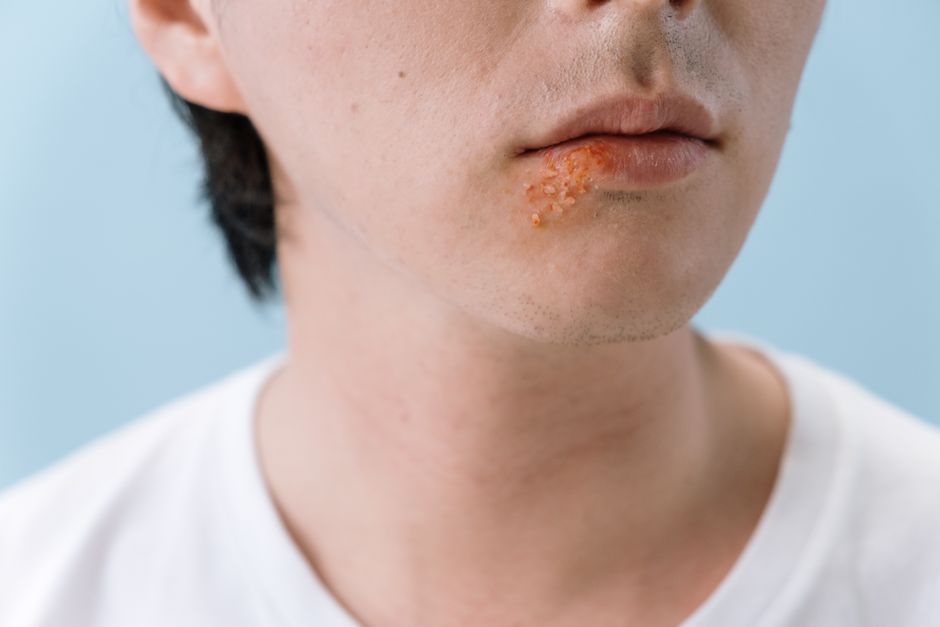
Vaseline can help relieve some symptoms of herpes, but it does not treat the virus itself. Herpes is caused by the herpes simplex virus (HSV), and no over-the-counter cream or ointment can cure it. Vaseline (petroleum jelly) may reduce discomfort by keeping sores moist and preventing cracking, but it does not kill the virus or shorten the outbreak.
What Are the Symptoms of a Herpes Outbreak?
Herpes simplex virus causes painful blisters or sores. With oral herpes (cold sores) they appear on or around the lips. Genital herpes causes sores in the genital area. Before blisters form you may feel tingling, burning, or itching. Blisters break open, crust over, and heal within 2 to 4 weeks in a first outbreak. Recurrent outbreaks tend to be shorter and milder.
The virus stays in your body for life. It can reactivate when your immune system is stressed, when you are sick, or after triggers like sun exposure or fatigue. Symptoms vary from person to person.
What Treatments Are Available for Herpes?
Antiviral medications are the only proven treatment for herpes. Prescription drugs like acyclovir, valacyclovir, and famciclovir work by stopping the virus from multiplying. They can shorten outbreak duration, reduce symptom severity, and lower the chance of transmitting the virus to a partner.
These medications are most effective when taken at the first sign of an outbreak. They are available as pills, topical creams, or intravenous medicine for severe cases. Over-the-counter creams like docosanol (Abreva) have some evidence for cold sores but are less effective than prescription antivirals. No topical product has been proven to cure herpes or eliminate the virus from the body.
Can Vaseline Help With Herpes Symptoms?
Vaseline can provide symptom relief for herpes sores but cannot treat the virus. Petroleum jelly forms a protective barrier over the sore. This barrier locks in moisture and prevents the skin from cracking and bleeding. Keeping the area moisturized may reduce pain, especially when the sore is crusting over.
Some people find Vaseline soothing because it reduces friction from lips or clothing. It may also help prevent the sore from sticking to fabric or bandages. However, Vaseline does not kill the virus. It does not stop viral shedding. It does not shorten the time the sore stays open. Its role is comfort, not cure.





Does Vaseline Help With Herpes Relief Vs Treatment?
The short answer is Vaseline offers relief but is not a treatment. Relief means reducing pain, dryness, or cracking. Treatment means attacking the virus itself. Antiviral medications treat the infection. Vaseline only manages symptoms.
If you use Vaseline during a herpes outbreak, you may feel more comfortable. But do not expect it to make the sore heal faster or prevent new sores. Some research suggests that keeping cold sores slightly moist can help them heal better than letting them dry out completely, but the evidence is not strong. Vaseline is not a substitute for medical care, especially for severe or frequent outbreaks.
Are There Risks to Using Vaseline on Herpes Sores?
For most people, Vaseline is safe to use on herpes sores. It rarely causes allergic reactions. However, there are a few things to consider. Applying a thick layer of petroleum jelly can trap bacteria if the area is not clean. Always wash your hands before and after touching a sore to prevent spreading the virus to other parts of your body or to other people.
Some clinicians recommend keeping genital herpes sores dry to speed healing, especially in the first few days. Moisture can sometimes encourage bacterial infection. If you choose to use Vaseline, use a thin layer and stop if the area becomes more irritated. Do not share the same container of Vaseline with others because the virus can survive on surfaces for a short time.
What Else Can You Do for Herpes Symptom Relief?
In addition to Vaseline, other home remedies may help. A cold compress can reduce pain and swelling. Over-the-counter pain relievers like ibuprofen or acetaminophen can ease discomfort. Keeping the area clean with mild soap and water is important. Avoid touching the sore and do not pick at the crust, as this can delay healing and cause scarring.
Lip balms with sunscreen can prevent cold sores triggered by sun exposure. For genital herpes, wearing loose cotton underwear can reduce friction. None of these measures replace antiviral treatment, but they can make outbreaks more tolerable.
When Should You See a Doctor for Herpes?
If you think you have herpes for the first time, see a healthcare provider for testing and treatment. Antiviral medication started within 72 hours of symptoms can significantly reduce the severity and duration of a first outbreak. For recurrent outbreaks, ask your doctor about episodic treatment (taking medication only when you have symptoms) or suppressive therapy (daily medication to prevent outbreaks).
Also see a doctor if you have frequent outbreaks (more than six per year), severe pain, signs of a bacterial infection (pus, spreading redness), or if you have a weakened immune system. Pregnant women with herpes need special care to reduce the risk of passing the virus to the baby during delivery.
Does Vaseline Prevent Herpes Transmission?
No. Vaseline does not prevent the spread of herpes. The virus spreads through direct skin-to-skin contact with an active sore or through viral shedding from the skin even when no sore is visible. A protective layer of petroleum jelly does not stop viral particles from being transmitted. If you have an active outbreak, avoid kissing, oral sex, and genital contact until the sore is fully healed.
Frequently Asked Questions
Can Vaseline make a cold sore heal faster?
Vaseline does not speed up healing. It can reduce cracking and discomfort, but the antiviral medication is the only thing that shortens outbreak duration.
Is it safe to put Vaseline on a genital herpes sore?
It is generally safe if applied in a thin layer to clean skin, but some experts recommend keeping the area dry during the first few days to reduce infection risk. Check with your doctor.
What is the difference between relief and treatment for herpes?
Relief means managing symptoms like pain and dryness. Treatment means attacking the virus itself with prescription antivirals that reduce viral replication and outbreak severity.
Can I use Vaseline and antiviral cream together?
Yes, but apply the antiviral cream first and wait a few minutes before adding Vaseline to avoid diluting the medication. Do not mix them in the same application.
