
Period cramps are a monthly reality for many people, and some months are worse than others. The pain comes from the uterus contracting to shed its lining, and for some, those contractions are intense enough to disrupt work, school, and sleep. The good news is that several reliable methods can genuinely reduce the pain, ranging from quick physical actions to longer-term habits. The eight methods that work include heat therapy, over-the-counter anti-inflammatory medication, gentle movement, dietary adjustments, hydration, stress reduction, massage, and knowing when to seek medical help.
What Actually Causes Period Cramps?
The medical term for period pain is dysmenorrhea. The pain is not in your head, and it is not just “part of being a woman.” It is a physiological process driven by hormone-like substances called prostaglandins.
Before your period starts, the lining of the uterus produces prostaglandins. These chemicals cause the uterine muscle to contract. The contractions help push out the lining, but high levels of prostaglandins cause stronger, more frequent contractions. When the uterus contracts hard, it temporarily reduces blood flow to the uterine muscle tissue. That lack of oxygen is what causes the cramping pain.
This explains why some people have mild cramps and others have severe ones. People with higher prostaglandin levels tend to have more intense pain. It also explains why certain medications work so well. Nonsteroidal anti-inflammatory drugs (NSAIDs) work by blocking the production of prostaglandins, which directly addresses the root cause.
Method 1: Heat Therapy — The Fastest Relief
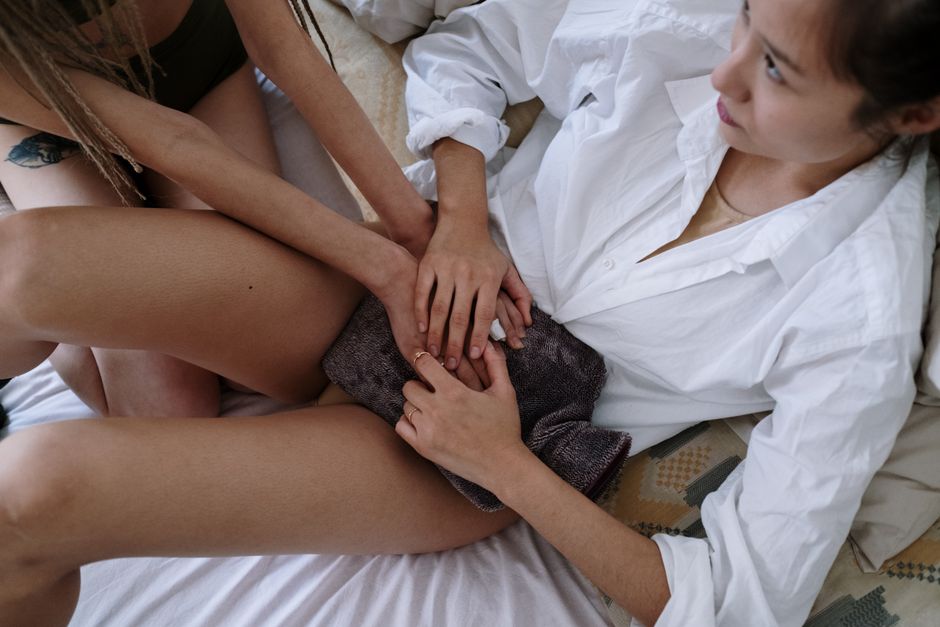
A heating pad on the lower abdomen is one of the most effective and immediate ways to soothe cramps. Heat works by relaxing the uterine muscle and increasing blood flow to the area. Increased blood flow helps deliver oxygen to the tissue, which reduces the pain from oxygen-starved muscles.
You can use an electric heating pad, a hot water bottle, or a microwavable heat pack. A warm bath can also help, especially if you add Epsom salts, though the magnesium absorption from bathwater is minimal. The key is sustained heat for 20 to 30 minutes at a time. Some research suggests that heat therapy can be as effective as ibuprofen for some people, though the evidence base for that specific comparison is limited.
Do not fall asleep with a heating pad on high. Burns are a real risk, especially if you are drowsy from pain or pain medication.
Method 2: Over-the-Counter Anti-Inflammatory Medication
NSAIDs are the first-line treatment for period cramps. Ibuprofen (Advil, Motrin) and naproxen (Aleve) are the most common options. These drugs do not just mask the pain. They reduce the production of prostaglandins, which means less uterine contraction and less pain at the source.
Timing matters. Take the medication at the first sign of cramps or the first day of bleeding, not after the pain becomes unbearable. For the medication to work best, it needs to be in your system before prostaglandin levels peak. Follow the dosing instructions on the package. Do not take more than the label directs, and do not combine two different NSAIDs unless a doctor has told you to.
People with stomach ulcers, kidney disease, or a history of bleeding disorders should talk to a doctor before using NSAIDs. Acetaminophen (Tylenol) is an alternative for pain relief, but it does not reduce prostaglandins, so it is generally less effective for cramps.



Method 3: Gentle Movement and Stretching
Exercise is probably the last thing you want to do when you are curled up in pain. But gentle movement can genuinely help. Light activity like walking, swimming, or stretching increases blood flow and triggers the release of endorphins. Endorphins are your body’s natural pain relievers.
Yoga is particularly useful. Specific poses that gently stretch the pelvic area, like child’s pose, cat-cow, and lying twists, can reduce tension in the lower back and abdomen. One small study found that women who practiced a regular yoga routine reported less period pain intensity and duration, though larger studies are still needed to confirm the effect size.
If you are in too much pain to move, do not force it. Rest is also valid. But if you can manage a 10-minute walk, it often breaks the pain cycle better than lying still.
Method 4: Diet and Hydration Adjustments
What you eat in the days before and during your period can influence cramp severity. Anti-inflammatory foods may help reduce overall inflammation in the body. Foods rich in omega-3 fatty acids, like salmon, walnuts, and flaxseeds, have anti-inflammatory properties. Some research suggests that a diet higher in omega-3s is associated with less menstrual pain.
Magnesium is another nutrient worth attention. It helps relax muscles, including the uterine muscle. Foods high in magnesium include dark leafy greens, nuts, seeds, and whole grains. Some studies have found that magnesium supplements can reduce cramp severity, but the evidence is not strong enough to recommend a specific dose for this purpose. If you choose to supplement, talk to your doctor first.
Hydration is simple but often overlooked. Dehydration makes muscles more prone to cramping. Drinking enough water throughout your period keeps muscles functioning better. Warm fluids, like herbal tea, can be soothing as well. Ginger tea, in particular, has some evidence behind it for reducing menstrual pain, though the quality of that evidence is modest.
Reduce salt, caffeine, and alcohol in the days before your period. High salt intake promotes water retention, which can make bloating and cramping feel worse. Caffeine can increase tension and anxiety, and it may constrict blood vessels. Alcohol can disrupt sleep and dehydrate you.
Method 5: Stress Reduction Techniques
Stress makes period pain worse. When you are stressed, your body produces cortisol, which can increase inflammation and muscle tension. This does not mean your cramps are psychological. It means the physical and psychological systems interact.
Deep breathing is the most accessible stress-reduction tool. Slow, deliberate breaths activate the parasympathetic nervous system, which promotes relaxation. Try inhaling for four counts, holding for four counts, and exhaling for six counts. Repeat for several minutes. This can lower heart rate and reduce muscle tension.
Meditation and progressive muscle relaxation have also shown benefit in some studies. Progressive muscle relaxation involves tensing and then releasing each muscle group in sequence, from your toes up to your face. It helps you notice where you are holding tension and consciously release it.
Method 6: Massage and Acupressure
Massaging the lower abdomen and lower back can ease cramping. You can do this yourself or ask a partner to help. Use firm but gentle circular motions. Some research suggests that abdominal massage can reduce menstrual pain intensity, though the studies are small.
Acupressure is a related technique that involves applying pressure to specific points on the body. One commonly used point is located about three finger-widths below the belly button. Some people find relief by pressing this point firmly for a few minutes. The evidence for acupressure is mixed, but it is low-risk and worth trying if you are interested.
Essential oils like lavender or clary sage are sometimes added to massage oil. The scent can promote relaxation, which indirectly helps with pain. Do not apply essential oils directly to the skin without diluting them in a carrier oil, as they can cause irritation.
Method 7: Hormonal Birth Control Options
If over-the-counter methods are not enough, hormonal birth control is a medical option that works well for many people. Birth control pills, patches, rings, and hormonal intrauterine devices (IUDs) can reduce period pain significantly. They work by thinning the uterine lining, which means less tissue to shed and fewer prostaglandins produced.
Continuous-use birth control, where you skip the placebo week and do not have a period at all, is an option for people who want to avoid monthly bleeding entirely. This is safe and commonly prescribed, though you should discuss it with your doctor.
Hormonal options require a prescription. They are not right for everyone. People with a history of blood clots, certain types of migraine, or smokers over age 35 may have higher risks. A healthcare provider can help determine if this option is safe for you.
Method 8: Knowing When to See a Doctor
Period cramps are common, but they are not always normal. If your pain is severe enough to keep you from your regular activities, or if it does not respond to over-the-counter medication, that is a reason to seek medical advice.
Some underlying conditions can cause severe period pain. Endometriosis, uterine fibroids, and adenomyosis are all conditions that can make cramps much worse than typical. These conditions are underdiagnosed, and many people suffer for years before getting answers. If your pain has been dismissed as “normal period pain,” seek a second opinion.
Seek prompt medical care if you have severe pain that comes on suddenly, pain with fever, or pain that occurs outside of your period days. These can be signs of a more urgent problem like a pelvic infection or an ectopic pregnancy.
Frequently Asked Questions
How long do period cramps usually last?
Cramps typically start one to two days before bleeding begins and last for the first two to three days of the period. The pain usually peaks when bleeding is heaviest and then fades.
Is it safe to take ibuprofen every month for cramps?
Occasional use according to the package label is generally safe for most healthy adults. If you need NSAIDs every month, talk to a doctor about why your pain is consistently severe.
Can heat therapy replace pain medication?
For mild cramps, heat may be enough on its own. For moderate to severe cramps, combining heat with an NSAID is usually more effective than either alone.
