
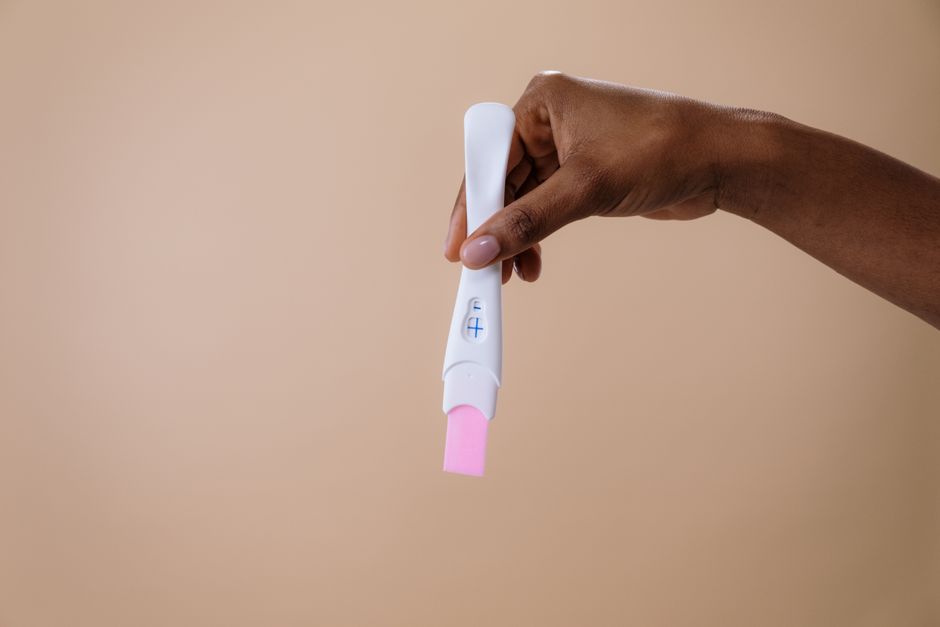
Many women wonder if they can feel pregnancy symptoms before their period is even late. The short answer is yes, but the timing is more specific than most people realize. Symptoms like breast tenderness, fatigue, and nausea can begin as early as one to two weeks after conception, which is often a few days before a missed period. However, these early signs are subtle, and they overlap heavily with normal premenstrual symptoms, making them unreliable on their own.
What Actually Happens in the First Two Weeks
To understand when symptoms can start, you need to know the timeline. Conception happens at ovulation, which is roughly 14 days before your next period starts. The fertilized egg travels down the fallopian tube and implants into the uterine lining about 6 to 10 days after ovulation.
Implantation is the key moment. Once the embryo implants, your body begins producing human chorionic gonadotropin (hCG), the hormone that pregnancy tests detect. This hormone surge is what triggers early pregnancy symptoms. Before implantation, there are no pregnancy hormones in your system, so any symptoms you feel before that point are not pregnancy-related.
This means the earliest possible symptoms appear around 6 to 10 days past ovulation. For a woman with a typical 28-day cycle, that is roughly 4 to 8 days before the missed period. Most women, however, do not notice anything until closer to the day of the missed period or even after.
How Early Are Pregnancy Symptoms Before A Missed Period: The Timeline
The most reliable early symptoms follow a predictable pattern once hCG levels begin to rise. Here is what the evidence shows about timing.
Days 6 to 10 past ovulation: Implantation occurs. Some women notice light spotting called implantation bleeding, though many do not. Breast tenderness can begin here because progesterone and estrogen levels shift dramatically.
Days 10 to 14 past ovulation: hCG levels are doubling every 48 to 72 hours. This is when fatigue, nausea, and frequent urination typically start. For a 28-day cycle, this lands right around the expected period date.
After the missed period: Symptoms usually intensify. Nausea peaks around 6 to 8 weeks of pregnancy, not in the earliest days. If you feel severe nausea before your period is even late, you are in the minority.
Research consistently shows that most women who experience early symptoms notice them around the time of the missed period, not a full week before. Some studies suggest that only about half of pregnant women report any symptoms before the first missed period.
Why Early Symptoms Feel Like PMS
This is the most confusing part for many women. The symptoms of early pregnancy and premenstrual syndrome are nearly identical because they share the same cause: progesterone.
After ovulation, your ovaries produce progesterone whether or not you are pregnant. This hormone prepares the uterine lining for a possible embryo. It causes breast swelling, mood changes, bloating, and fatigue. If pregnancy occurs, progesterone levels stay high and continue to rise. If it does not, progesterone drops and your period starts.
The difference is not the type of symptom but the intensity and duration. PMS symptoms typically improve within a day or two of your period starting. Pregnancy symptoms continue and often get stronger. If your period is late and symptoms persist, that is more meaningful than the symptoms themselves.
One non-obvious detail: breast changes in early pregnancy often feel different from PMS breast pain. Pregnancy-related breast tenderness is frequently described as a heavy, full, or tingling sensation, while PMS pain is usually more diffuse and achy. This is not a diagnostic rule, but some women notice the difference.




Which Symptoms Can Appear Before a Missed Period
Some symptoms have a stronger link to early pregnancy than others. Here is what the evidence supports.
- Breast tenderness: This is often the first noticeable symptom. It can begin as early as 7 to 10 days past ovulation.
- Fatigue: High progesterone levels can cause significant tiredness. This typically starts in the second week after ovulation.
- Frequent urination: Rising hCG increases blood flow to your pelvis, which makes your bladder feel fuller sooner. This usually appears around the time of the missed period.
- Light spotting: Implantation bleeding occurs in about 25% of pregnancies. It is usually light pink or brown and lasts only a day or two.
- Nausea: Despite being the most famous pregnancy symptom, nausea rarely starts before the missed period. Most women develop it between 4 and 6 weeks of pregnancy.
- Mild cramping: Implantation cramping can feel like light period cramps. It is usually milder and shorter than menstrual cramps.
Nipple darkening and increased nipple sensitivity can also occur early, but these are less commonly reported before a missed period.
When a Pregnancy Test Will Be Positive
A home pregnancy test measures hCG in your urine. The timing matters more than the symptom timing. Testing too early gives false negatives, which leads to confusion and disappointment.
For the most accurate result, wait until the first day of your missed period. At that point, hCG levels are usually high enough for a standard home test to detect. Some sensitive tests claim to detect pregnancy 4 to 5 days before a missed period, but the accuracy at that point is lower.
If you test early and get a negative result, that does not mean you are not pregnant. It may simply mean your hCG levels have not risen enough yet. Testing again 48 hours later is the best approach if your period still has not arrived.
Blood tests done at a doctor’s office can detect hCG about 8 to 10 days after ovulation, which is slightly earlier than most home tests. But for most women, a home test after the missed period is the practical and reliable choice.
No Symptoms Before a Missed Period Is Normal
Many women expect to feel something before their period is late, and when they do not, they worry. The evidence does not support this concern. A large number of confirmed pregnancies produce zero noticeable symptoms before the missed period.
In fact, some women have no symptoms for weeks. Every pregnancy is different, and every woman experiences hormones differently. A symptom-free early pregnancy is not a sign of a problem. It is simply how some bodies respond.
The reverse is also true. Many women experience every classic pregnancy symptom and are not pregnant. PMS can be intense, and the hormonal overlap means your body can produce convincing false signals. The only reliable confirmation of pregnancy is a positive test.
What to Do If You Think You Are Pregnant
If you are experiencing early symptoms and your period is late, take a home pregnancy test. Follow the instructions carefully, and use your first morning urine, which has the highest concentration of hCG.
If the test is negative but your period still has not arrived, wait two to three days and test again. If symptoms persist and tests remain negative, see a healthcare provider. They can order a blood test and help determine what is going on.
If the test is positive, schedule an appointment with your doctor. They will confirm the pregnancy and discuss next steps. Early prenatal care is associated with better outcomes, so do not delay.
One more point: start taking a prenatal vitamin with folic acid as soon as you suspect you might be pregnant. The neural tube develops in the first weeks of pregnancy, often before you even confirm the pregnancy. This is one of the few steps that genuinely matters before your first doctor visit.
Frequently Asked Questions
Can pregnancy symptoms start 5 days before a missed period?
Yes, but it is not common. Implantation typically occurs 6 to 10 days after ovulation, and symptoms like breast tenderness or fatigue can follow shortly after. For most women, noticeable symptoms do not begin until closer to the missed period.
What is the earliest pregnancy symptom before a missed period?
Breast tenderness is usually the first symptom women notice, sometimes starting about a week after ovulation. Fatigue and mild cramping can also appear early, but they are easy to mistake for PMS.
How soon after conception do pregnancy symptoms start?
Symptoms cannot start until after implantation, which happens 6 to 10 days after conception. That is the earliest possible point for any pregnancy-related symptom to appear.
Can you feel pregnant before implantation?
No. Before implantation, your body has not produced pregnancy hormones, so there is no physiological basis for pregnancy symptoms. Any symptoms before that point are from normal post-ovulation hormone changes.
