
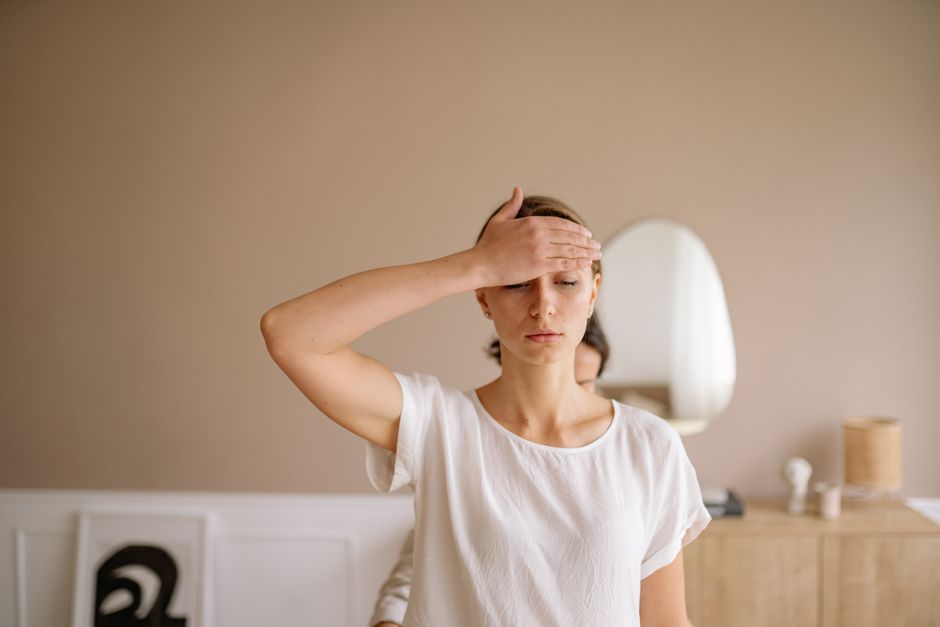
That sudden spinning or lightheaded feeling when you stand up has a name: orthostatic hypotension. It happens when your blood pressure drops briefly as your body shifts from sitting or lying down to standing. For most people, it is a passing nuisance. For others, it is a warning sign worth taking seriously.
Your body normally adjusts quickly when you stand. Gravity pulls blood into your legs, and your nervous system responds by tightening blood vessels and raising your heart rate to push blood back to your brain. When that response is slow or weak, your brain gets less blood for a few seconds. That is the dizzy feeling.
The good news is that many causes are manageable, and some are fully fixable. The key is knowing when simple habits help and when you need medical evaluation.
What Actually Happens in Your Body When You Stand Up
When you stand, up to a liter of blood can pool in your lower body within seconds. Your body has a built-in correction system. Baroreceptors — pressure sensors in your carotid arteries and aorta — detect the drop in blood pressure and signal your brain. Your brain then tells your blood vessels to narrow and your heart to beat faster and harder.
This whole process should take a few seconds. If it takes longer, or if the response is too weak, your blood pressure stays low for a moment. Your brain senses reduced blood flow, and you feel lightheaded, dizzy, or like the room is spinning.
Some people also experience blurred vision, weakness, or a feeling of nearly fainting. In more severe cases, people actually pass out. That is called syncope.
The medical term for the condition is orthostatic hypotension. Doctors define it as a drop in systolic blood pressure of at least 20 mmHg or a drop in diastolic blood pressure of at least 10 mmHg within three minutes of standing.
Why Am I Dizzy When I Get Up Causes And Fixes: The Common Reasons
Dehydration is one of the most common causes. When you do not drink enough fluids, your blood volume drops. Less blood means less pressure to push against gravity when you stand. Heat, exercise, vomiting, diarrhea, and fever all increase fluid loss and make this worse.
Medications are another frequent culprit. Blood pressure drugs, diuretics, antidepressants, and some medications for enlarged prostate can all lower blood pressure too much when you change position. If you started a new medication recently and noticed dizziness afterward, that timing matters.
Low blood sugar can cause a similar feeling. If you skipped a meal, your brain may not be getting enough glucose, and standing up makes the sensation worse. This is usually accompanied by shakiness, sweating, or irritability.
Anemia — low red blood cell count — reduces the oxygen your blood can carry. Standing up demands a sudden increase in blood flow to the brain. With anemia, your body has less capacity to deliver oxygen, and dizziness can result.
Less common but more serious causes include heart conditions, neurological disorders like Parkinson’s disease, and endocrine problems such as adrenal insufficiency. Age also plays a role; the baroreceptor response becomes slower and less efficient as we get older.
Simple Fixes to Try at Home
If your dizziness happens occasionally and passes quickly, start with hydration. Drink water throughout the day, not just when you feel dizzy. A good target is pale yellow urine — if it is dark, you are likely dehydrated.
Stand up more slowly. This is not just folk advice; it gives your blood vessels time to respond. Pause at the edge of the bed for a few seconds before standing fully. When getting up from a chair, hold onto something stable for support.
Move your legs before you stand. Pumping your calf muscles pushes blood upward and helps your circulation adjust. A few ankle flexes or marching in place while seated can make a real difference.
If you have low blood pressure and no history of heart failure or kidney problems, increasing your salt intake may help. Salt retains fluid, which increases blood volume. But do not do this without checking with your doctor first, especially if you have high blood pressure, heart disease, or kidney disease.
Compression stockings can help. They prevent blood from pooling in your legs. Waist-high stockings work better than knee-high ones for this purpose. They are not stylish, but they are effective.
Eat smaller, more frequent meals. Large meals direct blood flow to your digestive system, which can lower blood pressure elsewhere. This is called postprandial hypotension, and it can combine with orthostatic dizziness.





When Dizziness Is a Warning Sign
Occasional dizziness when standing is common and usually harmless. But some situations require prompt medical attention.
Seek care if you actually faint, especially if it happens more than once. Fainting can lead to injuries from falls, and it can signal an underlying heart problem. If you lose consciousness, even briefly, that is not something to manage on your own.
Call for emergency help if dizziness comes with chest pain, shortness of breath, severe headache, weakness on one side of your body, difficulty speaking, or a racing heartbeat. These symptoms can indicate a heart attack or stroke.
Also see a doctor if dizziness happens frequently, lasts more than a few minutes, or is accompanied by vomiting, hearing loss, or ringing in your ears. These can point to inner ear problems like benign paroxysmal positional vertigo, which has different treatments than orthostatic hypotension.
If you are over 65 and experiencing falls or near-falls, get evaluated. Falls are a leading cause of injury in older adults, and dizziness on standing is a modifiable risk factor.
Medical Treatments and When They Are Needed
If lifestyle changes do not help, your doctor may adjust your medications. Sometimes the solution is as simple as changing the dose or timing of a blood pressure drug. Never adjust these medications on your own.
For persistent orthostatic hypotension, doctors sometimes prescribe medications like fludrocortisone, which helps your body retain salt and fluid, or midodrine, which tightens blood vessels. These are not first-line treatments. They are for people whose symptoms do not improve with hydration, dietary changes, and compression.
If an underlying condition is causing your dizziness, treating that condition is the priority. Anemia might require iron supplementation. Thyroid problems need hormone management. Neurological conditions require specialized care.
Some research suggests that physical counter-maneuvers — like crossing your legs and squeezing, or clenching your fists when you feel dizzy — can help prevent fainting. These techniques increase blood pressure temporarily by tensing muscles. They are worth learning if you have recurrent episodes, but they do not address the underlying cause.
How to Tell the Difference Between Dizziness and Vertigo
Dizziness is a broad term. It can mean lightheadedness, unsteadiness, or a feeling of being about to faint. Vertigo is more specific: it is the sensation that you or the room is spinning or moving. The distinction matters because the causes are different.
Orthostatic hypotension typically causes lightheadedness, not true spinning. If you feel like the world is rotating around you when you stand, the problem may be in your inner ear rather than your blood pressure. Benign paroxysmal positional vertigo is a common inner ear condition that causes brief spinning episodes when you change head position.
Inner ear infections, vestibular neuritis, and Meniere’s disease can also cause vertigo. These conditions have different treatments, including physical therapy maneuvers that reposition inner ear crystals.
Pay attention to what you actually feel. Lightheadedness that resolves in seconds when you stand still is more likely blood pressure related. Spinning that lasts longer or happens with head movements points toward the vestibular system.
Lifestyle Habits That Prevent Recurrence
Regular physical activity strengthens your cardiovascular system and improves your body’s ability to adjust to position changes. Even moderate walking several times a week can help. Avoid sudden intense exercise if you are prone to dizziness, and stay hydrated during workouts.
Limit alcohol. Alcohol dilates blood vessels and dehydrates you, both of which worsen orthostatic hypotension. If you drink, do so in moderation and with food and water.
Check your blood pressure at home if you have been diagnosed with orthostatic hypotension. Measure it lying down, then standing after one minute and after three minutes. Keep a log to share with your doctor. This data helps guide treatment decisions.
Review your medications with your doctor at least once a year. As you age, your body responds differently to drugs. A medication that was fine at 50 may cause problems at 65.
Frequently Asked Questions
Is it normal to feel dizzy every time I stand up?
Occasional dizziness when standing is common, especially after sitting for a long time or when dehydrated. If it happens every time you stand, or if you faint, you should see a doctor.
How long does orthostatic dizziness last?
Most episodes last only a few seconds to a minute as your body adjusts. Dizziness that lasts longer than three minutes or happens frequently warrants medical evaluation.
Can low blood pressure cause dizziness when standing up?
Yes, a temporary drop in blood pressure when standing is the most common cause of this type of dizziness. This drop is called orthostatic hypotension.
What is the fastest way to stop dizziness when standing?
Sit back down or hold onto something stable until the feeling passes. Pumping your calf muscles and tensing your leg muscles can help push blood back toward your brain.
