
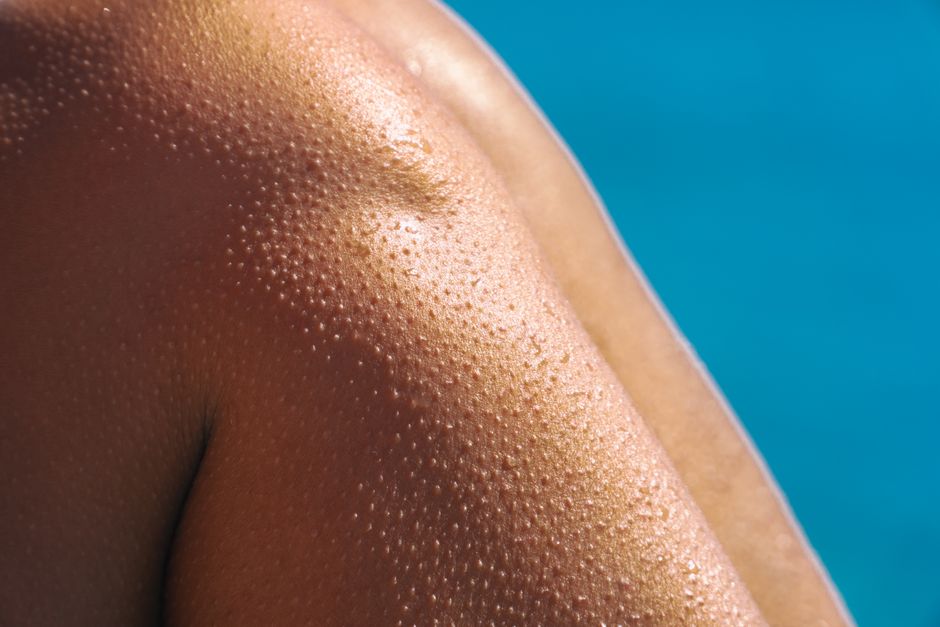
Finding unexpected bumps on your legs is common and usually not a reason to panic. Most bumps on the legs come from ingrown hairs, keratosis pilaris, or simple insect bites. However, because your legs can develop many different types of skin growths, knowing what you are looking at can help you decide if you need to see a doctor or if you can manage it at home.
What Are the Most Common Causes of Leg Bumps?
When you notice bumps on your legs, the first question is usually whether they are harmless or a sign of something else. The most frequent causes are benign conditions that affect the hair follicles or the skin’s surface.
Keratosis pilaris is one of the most common causes. It looks like small, rough, chicken-skin bumps, usually on the upper arms and thighs. It happens when keratin builds up and blocks hair follicles. It is harmless and often improves with age.
Ingrown hairs occur when a hair curls back into the skin. They can look like small red bumps, sometimes with a visible hair underneath. They are most common after shaving or waxing and usually heal on their own.
Folliculitis is an inflammation of the hair follicles. It can be caused by bacteria, fungus, or friction from tight clothing. It looks like small red bumps or pus-filled pimples and often clears up without treatment.
Why Do I Have Bumps On My Leg Common Causes vs. Skin Conditions?
Sometimes the bumps are not related to hair follicles at all. Several skin conditions produce distinct patterns of bumps that you can identify by their appearance and location.
Contact dermatitis happens when your skin touches something that irritates it or triggers an allergic reaction. Plants, soaps, laundry detergents, or new lotions can cause red, itchy bumps. The rash usually appears where the skin touched the irritant.
Eczema can cause dry, scaly patches that may develop small bumps. It often appears in the creases of the knees but can occur anywhere on the legs. Eczema tends to flare and then improve, and it is often linked to sensitive skin or allergies.
Hives are raised, itchy welts that can appear suddenly. They are an allergic response and usually fade within a day. If hives come with swelling of the face or trouble breathing, that is a medical emergency.
Less common conditions include lipomas, which are soft, fatty lumps under the skin, and sebaceous cysts, which are firm, round bumps filled with keratin. Both are typically harmless but can be removed if they bother you.
When Could Leg Bumps Signal a More Serious Problem?
Most leg bumps are benign, but some require medical attention. You should not ignore bumps that bleed, grow rapidly, change color, or do not heal.
Skin cancer can appear on the legs. Basal cell carcinoma, squamous cell carcinoma, and melanoma can all look like bumps, sores, or growths. Melanoma is the most serious form and can develop from an existing mole or appear as a new dark spot.
Look for the ABCDE signs of melanoma: Asymmetry, irregular Borders, multiple Colors, Diameter larger than a pencil eraser, and Evolution or change over time. Any new bump that fits these criteria should be examined by a dermatologist.
Varicose veins can cause bulging, rope-like bumps on the legs. These are enlarged veins that usually appear on the calves or thighs. They are not dangerous in most cases, but they can cause aching, swelling, or skin changes over time.
In rare cases, bumps on the legs can be a sign of an underlying condition. Sarcoidosis and some autoimmune diseases can cause skin lesions. If you have bumps along with fever, joint pain, or unexplained weight loss, mention it to your doctor.





How Can You Tell the Difference Between Bump Types?
You can often narrow down the cause by paying attention to how the bumps feel and where they appear. This is not a substitute for a medical diagnosis, but it helps you describe your symptoms accurately.
- Rough and painless: Likely keratosis pilaris, especially if on the upper thighs.
- Red and itchy: Could be insect bites, hives, or contact dermatitis.
- Tender with a visible hair: Ingrown hair or folliculitis.
- Soft and movable under the skin: Lipoma.
- Firm and round: Cyst or possibly a skin cancer.
Location matters too. Keratosis pilaris favors the outer thighs. Ingrown hairs appear where you shave. Hives can appear anywhere and often move around. Bumps that stay in one place for months deserve a closer look.
What Treatments Work for Common Leg Bumps?
Treatment depends entirely on what is causing the bumps. For many common causes, simple home care is enough.
For keratosis pilaris, regular moisturizing helps. Creams containing urea, lactic acid, or salicylic acid can soften the keratin plugs. These are available over the counter. Results take weeks, and the condition often returns if you stop using the products.
For ingrown hairs, stop shaving that area until the bump heals. Warm compresses can help bring the hair to the surface. Do not dig at the hair with tweezers, as this increases the risk of infection and scarring.
For folliculitis, keeping the area clean and dry is usually enough. An antibacterial wash may help. If the bumps are painful, spreading, or filled with pus, see a doctor. Some cases require prescription antibiotics.
For contact dermatitis, identify and remove the trigger. Over-the-counter hydrocortisone cream can reduce itching and inflammation. Antihistamines help if the reaction is allergic.
For cysts and lipomas, no treatment is medically necessary unless they cause pain or grow. Surgical removal is an option, but it is usually cosmetic.
When Should You See a Doctor for Leg Bumps?
You do not need to see a doctor for every bump. But certain signs warrant a professional evaluation.
See a doctor if a bump:
- Grows, changes color, or changes shape
- Bleeds or oozes without an obvious cause
- Does not heal within a few weeks
- Is painful, warm, or red around the edges
- Appears along with fever, chills, or fatigue
A dermatologist can often identify a bump just by looking at it. Sometimes a biopsy is needed to confirm the diagnosis. If you are unsure what a bump is, it is reasonable to have it checked. Early diagnosis matters most for skin cancer, where treatment is far more effective in the early stages.
Can You Prevent Bumps on Your Legs?
Prevention works for some causes but not all. Keratosis pilaris is genetic, so you cannot prevent it entirely. You can manage it with consistent moisturizing and gentle exfoliation.
To prevent ingrown hairs, shave in the direction of hair growth, use a sharp razor, and avoid pulling the skin tight. Exfoliating before shaving helps release trapped hairs. Some people find that laser hair removal eliminates the problem entirely.
To prevent folliculitis, avoid tight clothing that rubs the skin, especially after exercise. Shower promptly after sweating. Use clean towels and razors.
To prevent contact dermatitis, pay attention to what touches your legs. New laundry detergents, fabric softeners, or lotions are common triggers. Patch testing by an allergist can identify specific allergens if reactions are frequent.
Frequently Asked Questions
Are bumps on my legs a sign of poor hygiene?
No. Most leg bumps are caused by genetics, hair growth patterns, or skin sensitivity, not poor hygiene. Over-washing can actually make some conditions like keratosis pilaris and eczema worse.
Can shaving make leg bumps worse?
Yes. Shaving can cause ingrown hairs and irritate existing bumps. Using a sharp razor, shaving cream, and shaving in the direction of hair growth reduces irritation.
How long do ingrown hair bumps last?
Most ingrown hair bumps heal within one to two weeks. If a bump lasts longer, becomes very painful, or fills with pus, see a doctor because it may be infected.
Do leg bumps ever turn into cancer?
Most benign bumps do not turn into cancer. However, a new bump that grows, changes color, or bleeds should be examined by a dermatologist to rule out skin cancer.
